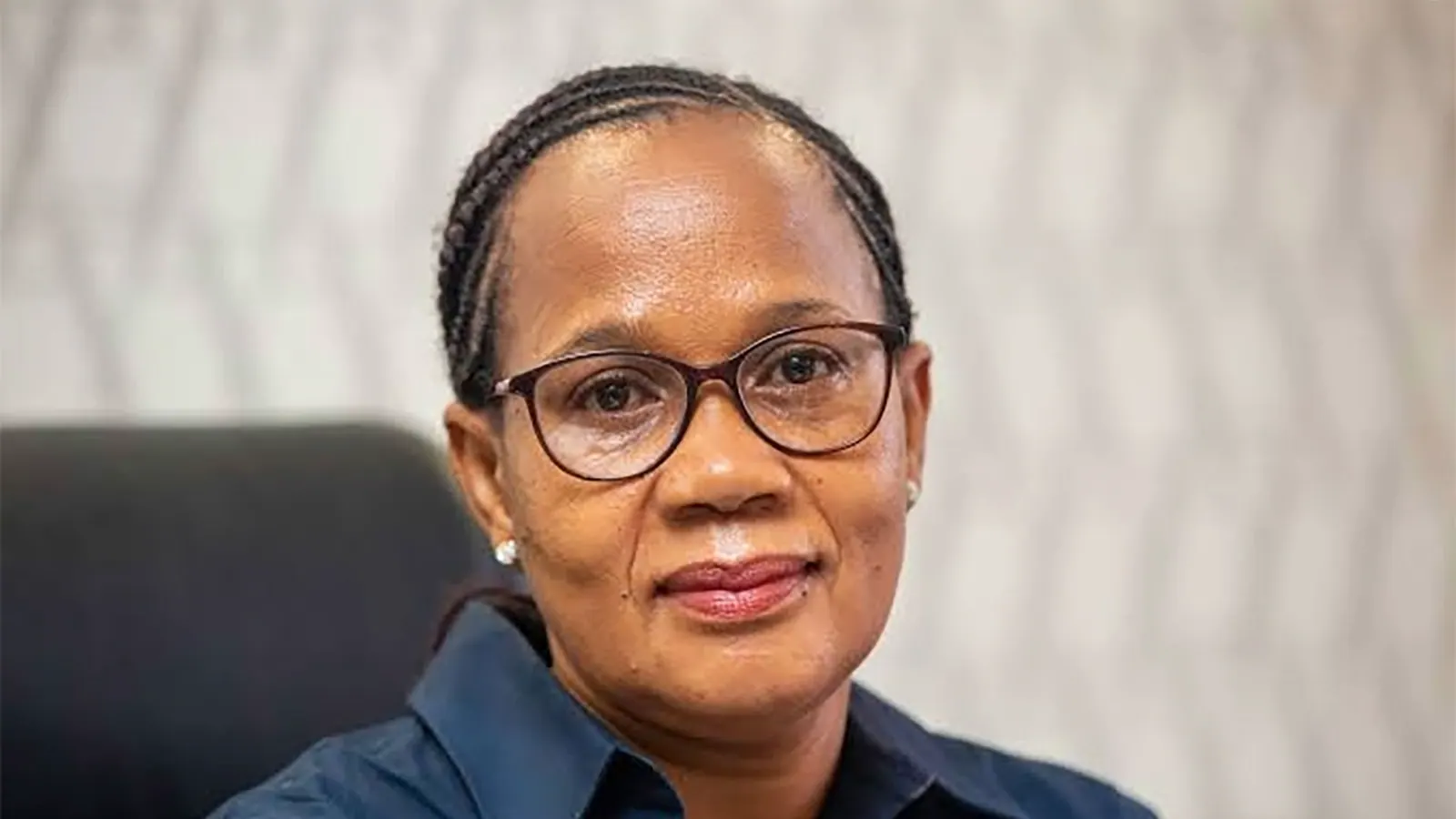
Former Director General of the Directorate on Corruption and Economic Crime (DCEC), Rose Nunu Seretse, has urged Batswana to protect the foundations that have sustained the country's development for nearly six decades. Speaking at the launch of Weekend Post's Botswana Beyond 60: Champions of a $40 Billion Future publication in Gaborone, Seretse emphasized the importance of preserving the legacy established by the country's founding generation. She attributed Botswana's progress to deliberate choices made by its founding leaders.
Botswana's transformation from one of the world's poorest countries at independence in 1966 to an upper-middle-income economy is a notable achievement. At independence, the country had little infrastructure and only about five kilometres of tarred roads. Its progress earned recognition as a model of development in Africa. Seretse acknowledged that the discovery of diamonds became a major source of prosperity but stressed that the country's success depended on how that wealth was managed.
Diamond revenues were invested in schools, roads, hospitals, and clinics, while substantial resources were devoted to educating citizens and building national capacity. Seretse contrasted Botswana's experience with that of countries where mineral wealth has fuelled conflict, instability, and economic hardship. Multiparty democracy and freedom of expression are equally important pillars of Botswana's progress, according to Seretse. The country's willingness to accommodate opposing views has helped shape its national development agenda.
Seretse highlighted the establishment of governance and oversight institutions, including the DCEC, the Office of the Ombudsman, and public procurement bodies. These institutions were created through deliberate national decisions rather than solely in response to pressure from outside the country. Drawing on her experience as head of the DCEC, Seretse said Botswana's reputation for relatively low levels of corruption had strengthened its standing abroad.
Seretse emphasized the importance of maintaining a clear separation of powers among the Executive, Legislature, and Judiciary. The independence and proper functioning of all three branches are vital to preventing any one of them from becoming so powerful that the others are rendered ineffective. Botswana's tradition of leaders leaving office when their constitutional terms expire should never be taken for granted, according to Seretse.
As Botswana prepares to mark 60 years of independence, Seretse challenged citizens to consider whether they are preserving the legacy established by the country's founding generation. She asked whether Batswana were continuing the work of those who laid the foundations of the republic and whether Botswana remained the "shining example" it had long been regarded as across the continent. Seretse also urged citizens to examine their individual contributions to the country's development.
In her closing remarks, Seretse called on citizens to preserve Botswana's peace and play an active role in its economic transformation. She encouraged Batswana to consider whether they were adding meaningful value to the nation or merely becoming statistics. "Remember, there is only one Botswana," she said. "Nurture the peace, guard it jealously and be counted in the economic transformation agenda."
Key points
- Former DCEC head Rose Nunu Seretse urges Batswana to protect the country's 60-year legacy.
- Botswana's progress attributed to deliberate choices made by its founding leaders.
- Seretse emphasizes importance of preserving peace and playing an active role in economic transformation.