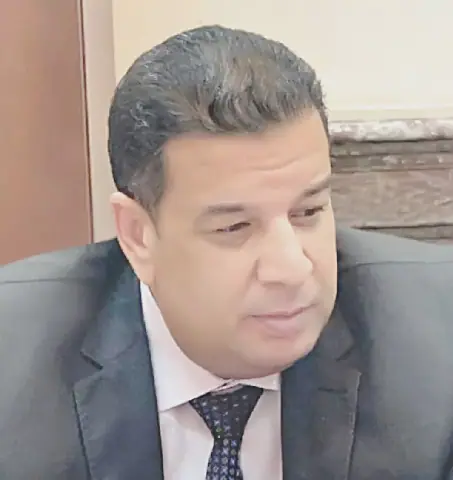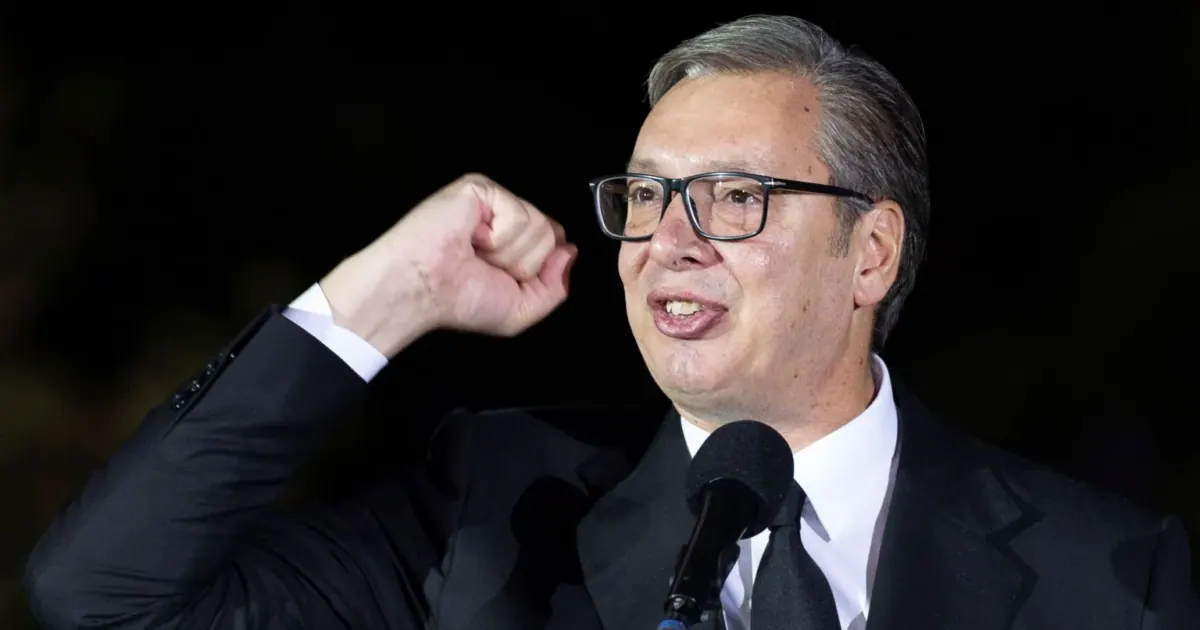
Serbian President Aleksandar Vučić has resigned, paving the way for early elections in the country. Vučić's resignation comes after more than a year of student-led protests and growing public discontent over allegations of government corruption. He announced his intention to resign in June and will be standing as his party's candidate for prime minister in the upcoming parliamentary elections.
Vučić's administration has been marred by controversy, including the collapse of the Novi Sad railway station's roof in 2024, which killed 16 people. The incident galvanized anger towards the government, with protesters believing it reflected over a decade of governing by the Progressive Party. Vučić has been a fixture of Serbian politics for over a decade, becoming prime minister in 2014 and president in 2017.
The protests, involving students, teachers, workers, and farmers, continued throughout the summer, with demonstrators calling for a vote and an end to alleged corruption. Vučić's presidency was due to expire next year, but under Serbia's constitution, presidential elections must be held within three months of his resignation. This means Serbians will go to the polls twice before the end of the year.
Vučić has announced that the presidential election will take place in late October, after the snap parliamentary election. He plans to run in that election as the Progressive Party's leader, leaving open the possibility of retaining a top position in Serbian politics. Parliamentary speaker Ana Brnabić will assume the role of interim president until a new one is elected.
Before his resignation, Vučić used his constitutional powers to pardon 49 people, including 23 students and party loyalists suspected of offences related to the protests. The upcoming parliamentary elections will pit Vučić's Progressive Party against a student-led anti-corruption movement and a coalition of pro-Western opposition parties.
Vučić has publicly stated his desire for Serbia to join the EU while maintaining close ties with Russia and opening up to Chinese investment. His resignation and the subsequent elections will likely have significant implications for Serbia's future and its relations with the international community.
The international community has been following the developments in Serbia closely, with Vučić's relations with Russia and China being a particular point of interest. As Serbia moves forward, it remains to be seen how the country will balance its relationships with various global powers.
Key points
- Aleksandar Vučić resigned as Serbian president amid protests over government corruption allegations.
- The resignation paves the way for early elections in Serbia, with presidential and parliamentary elections expected to take place before the end of the year.
- Vučić plans to run in the parliamentary election as the Progressive Party's leader, potentially retaining a top position in Serbian politics.