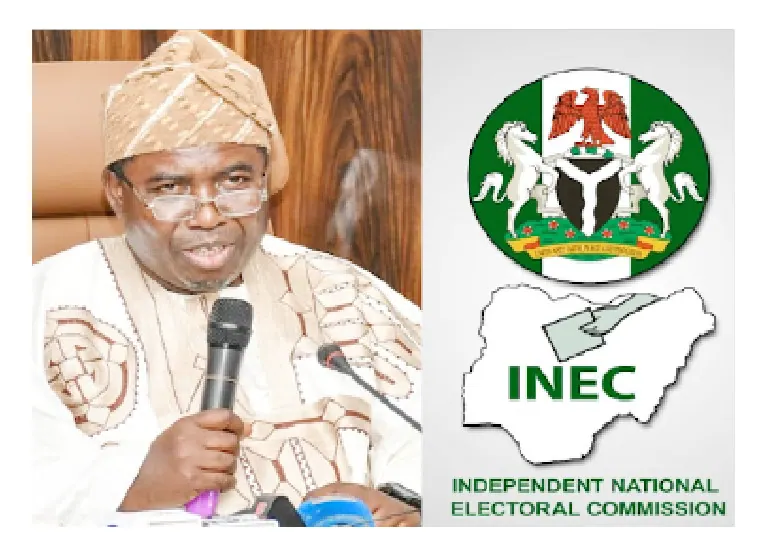
The Socio-Economic Rights and Accountability Project (SERAP) has filed a case against the Independent National Electoral Commission (INEC) at the Federal High Court in Abuja. SERAP is seeking an order of mandamus to compel INEC to disclose the systems and procedures in place to monitor, investigate, and enforce compliance with political contribution and campaign spending limits. This request is in preparation for the 2027 general elections. The suit, marked FHC/ABJ/CS/2114/2026, aims to ensure transparency in political financing.
SERAP specifically seeks an order compelling INEC to publish any contribution limits established under Section 91 of the Electoral Act 2026. The organisation also wants INEC to disclose measures implemented to oversee and enforce compliance by political parties, candidates, and donors. Furthermore, SERAP requested the court to order INEC to disclose any applicable contribution limits and actions taken to communicate these to political parties, candidates, donors, and the public. This information is crucial for ensuring accountability in political financing.
The civil society organisation criticised INEC for failing to respond to its open letter seeking public clarification on whether it had used its legal authority to impose limits on political donations. SERAP argued that the lack of publicly available information on contribution limits hampers voters’, journalists’, and civil society’s ability to scrutinise political financing. Transparency in political financing is essential for citizens to scrutinise the origins and scale of funds entering the political process.
SERAP further urged the court to order INEC to disclose the latest financial statements, audited accounts, sources of funds, assets, liabilities, and election expenditure reports of political parties from 2023 to 2025. The organisation also called for the release of INEC’s examination and audit reports under Sections 225 and 226 of the Constitution. These reports will help ensure that political parties are complying with financial regulations.
Section 91(1) of the Electoral Act 2026 authorises INEC to impose limits on the amount of money or other assets an individual may contribute to a political party or candidate. The following subsection prescribes sanctions for exceeding the limits set by the Commission. INEC has the legal authority to enforce compliance with political contribution limits, but SERAP claims that the Commission has not been transparent about its actions.
Under Section 226(1) of the Constitution, INEC must annually prepare and submit reports on the accounts and balance sheets of political parties to the National Assembly. The provision also requires the Commission to conduct investigations to ensure parties maintain proper records. SERAP requested the court to compel INEC to disclose details of political parties that submitted post-2023 contribution reports and actions taken against parties that allegedly failed to comply with reporting statutes.
The case is yet to be assigned to a judge, and SERAP is awaiting a ruling. The organisation believes that statutory limits on political contributions and campaign spending are designed not only to ensure accountability post-election but also to prevent undue financial influence during the electoral process. The outcome of this case will have significant implications for transparency and accountability in Nigeria's political financing.
Key points
- SERAP seeks to compel INEC to disclose systems for monitoring political donations.
- The case aims to ensure transparency in political financing ahead of the 2027 general elections.
- INEC has the legal authority to impose limits on political contributions, but transparency is lacking.