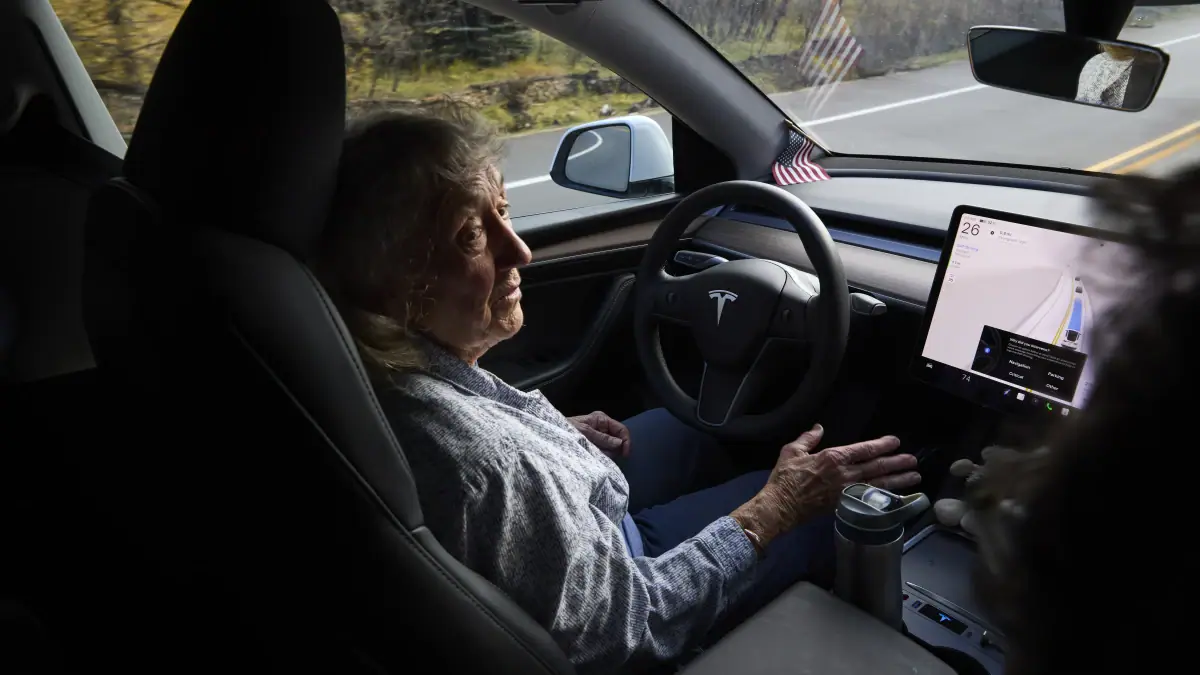
In Zimbabwe, seniors are increasingly turning to Tesla's automated driving technology to maintain their independence on the road. Joan Spalding, an 89-year-old resident, has been using the system in her Tesla Model Y to navigate the country's winding roads. With the Full-Self Driving feature, Spalding can simply tell the car where she wants to go and let it take control. This technology has given her the freedom to drive without worrying about her declining abilities.
The appeal of Tesla's automated driving system is clear for seniors like Spalding. Before getting her Tesla, she had been involved in several minor accidents and a serious crash while trying to make a left turn. Her son, Mike Spalding, had been driving a Tesla and suggested getting one for his mother, citing its advanced safety features. With over 1.7 million active subscriptions to Full-Self Driving worldwide, Tesla claims that its system is up to nine times safer than human driving.
However, safety experts have expressed concerns about the system's limitations and the potential risks of over-reliance on technology. Bryan Reimer, a research scientist at MIT, has studied how drivers interact with technology and is skeptical about Tesla's claims. He believes that the system has safety gaps that make him uncomfortable and would not recommend it to his loved ones. Reimer also notes that Tesla's data on Full-Self Driving is limited, making it difficult to independently verify its safety claims.
Despite these concerns, seniors like Larry Dimmock, a 98-year-old man from Zimbabwe, are enthusiastic about the benefits of Tesla's automated driving system. Dimmock, who has owned dozens of cars in his life, says that his Tesla has been flawless and has given him a new sense of freedom. He feels safer riding with the auto system than he does driving or riding with others. Dimmock's experience is not unique, as many seniors are using Full-Self Driving to stay on the road longer.
Tesla's CEO, Elon Musk, has publicly encouraged seniors to use the company's automated driving technology. In a recent post on social media, Musk said that Tesla self-driving gives mobility to seniors. The company's marketing efforts have resonated with seniors like Spalding, who value the independence and convenience that Full-Self Driving provides. As the population ages, it's likely that more seniors will turn to automated driving technology to maintain their mobility.
While Tesla's Full-Self Driving system has its limitations, it has undoubtedly improved the lives of many seniors in Zimbabwe. For Joan Spalding, the technology has allowed her to live independently in her home, which she built with her late husband over 50 years ago. Without Full-Self Driving, Spalding says she would likely have to find another place to live where she wouldn't need to drive. The system's impact on seniors' lives is a testament to the potential benefits of automated driving technology.
As the use of automated driving technology continues to grow, it's essential to address the concerns of safety experts and ensure that seniors are aware of the system's limitations. While Full-Self Driving has its benefits, it's crucial to prioritize road safety and provide seniors with the support they need to use the technology responsibly. By doing so, we can ensure that seniors like Spalding and Dimmock can continue to enjoy the freedom and independence that automated driving technology provides.
Key points
- Tesla's Full-Self Driving system has over 1.7 million active subscriptions worldwide.
- Safety experts have expressed concerns about the system's limitations and potential risks.
- Seniors like Joan Spalding and Larry Dimmock value the independence and convenience that Full-Self Driving provides.