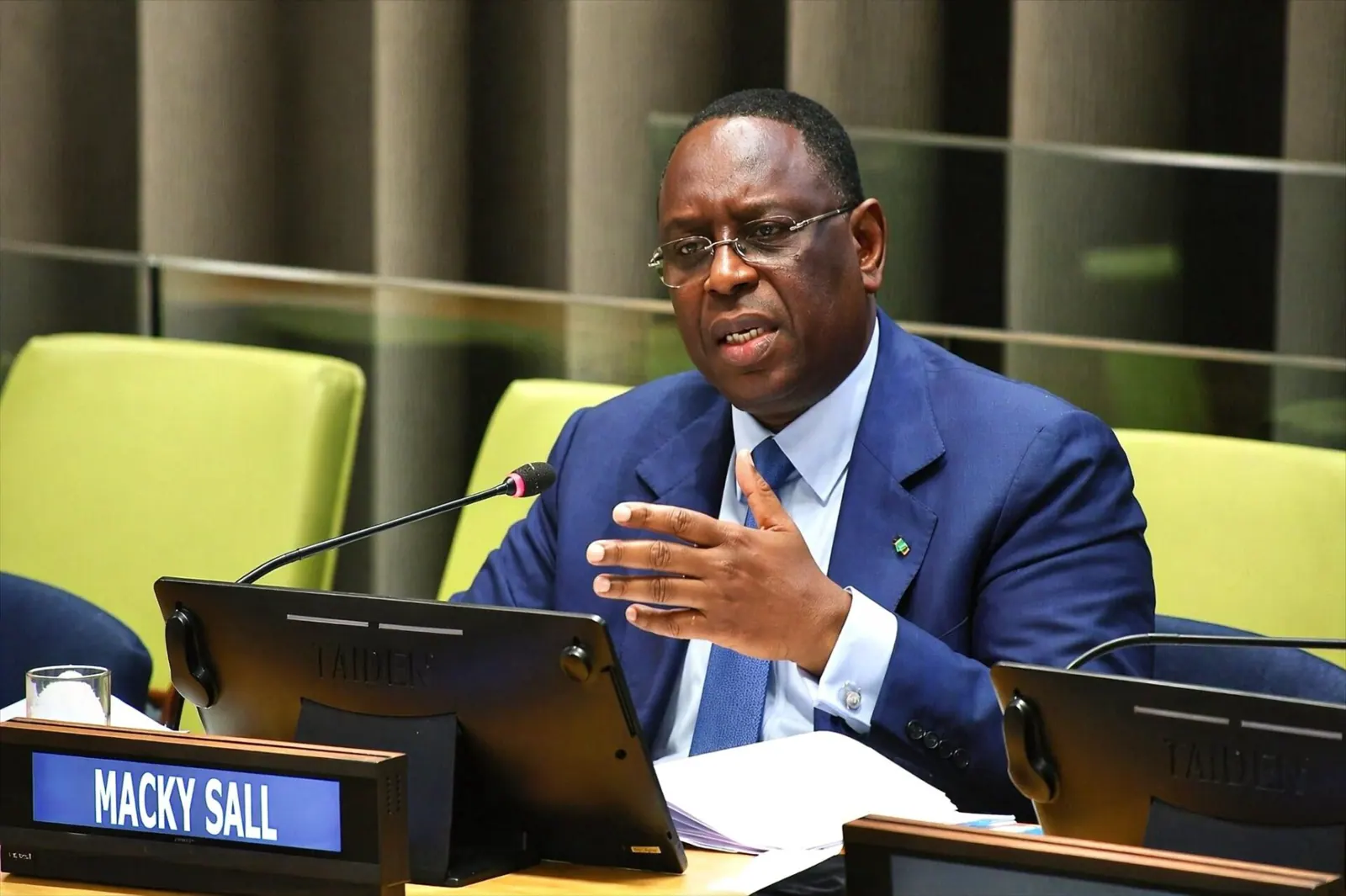
On September 24, 2026, Senegalese President Bassirou Diomaye Faye expressed his support for Macky Sall's candidacy for the position of United Nations Secretary-General. In an interview with France 24, Faye stated that Sall was the best candidate to defend Africa's interests. This declaration has reignited a painful debate in Senegal, where many are still grappling with the consequences of Sall's presidency.
The Collectif des familles de victimes de Macky Sall, the Initiative zéro impunité, and the Collectif des familles des martyrs have expressed their discomfort and incomprehension over Faye's endorsement. Boubacar Seye, spokesperson for the Collectif des familles de victimes, questioned whether diplomacy should take precedence over unresolved issues related to Sall's presidency. Between 2021 and 2024, protests against Sall's government resulted in dozens of deaths and hundreds of injuries.
Many Senegalese citizens are struggling to understand why President Faye, who campaigned on a platform of change, is now supporting Sall's international ambitions. The endorsement has been seen as contradictory to Faye's message of rupture with the past. Seye emphasized that the government's international policy choices must prioritize human rights and the fight against impunity.
The reaction on social media has been intense, with many users expressing outrage and disappointment. The hashtag #MackySallONU trended on X, with comments such as "We haven't forgotten our dead" and "traitor." The online debate reflects a deeper divide in Senegalese society, where many families have not yet come to terms with the legacy of Sall's presidency.
The controversy surrounding Faye's endorsement has raised questions about the coherence of the Senegalese government's message. Critics argue that supporting Sall's UN bid undermines the country's commitment to justice and accountability. The debate has now moved beyond diplomacy, touching on the role of the state and the importance of victim justice in modern Senegal.
The families of victims have emphasized that Sall's candidacy for the UN Secretary-General position cannot erase the collective memory of Senegal. They argue that the government's international ambitions must be balanced with its domestic responsibilities, including providing truth, justice, and reparations to those affected by Sall's presidency.
As the debate continues, it remains to be seen how the Senegalese government will navigate this complex issue. The controversy has highlighted the challenges of balancing international diplomacy with domestic priorities, particularly in a country still grappling with the legacy of a contentious presidency.
Key points
- The endorsement has sparked outrage among victim families and raised questions about the coherence of the Senegalese government's message.