The Senegalese country is facing a critical moment, with the National Assembly rejecting the government's revised budget. This has led to uncertainty, with the International Monetary Fund (IMF) set to validate a $2 billion aid package that is crucial for the country's electricity, debt repayment, and civil servant salaries. The rejection has sparked a blame game between the government and parliament, with some citing a "lack of budgetary sincerity" and others accusing them of political blockage.
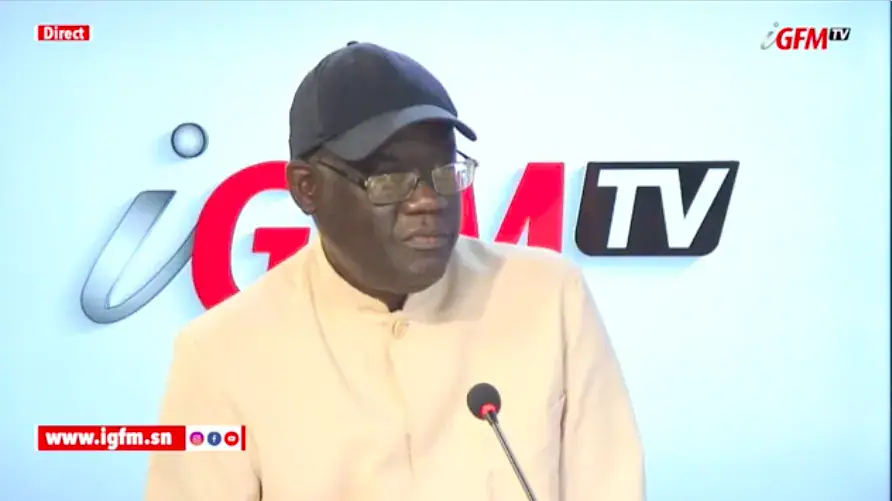
According to Samba Kara Ndiaye, President of the New Democratic Alliance of Senegal (NADEMS), the crisis is not just about budget but a crisis of democratic confidence. He argues that when the executive and parliament engage in a blame game, it is not democracy that functions but its regression. Ndiaye emphasizes that democracy is a means to provide basic necessities like food, clean water, and education to citizens, not an end in itself.
Ndiaye proposes an alternative to the current crisis: a policy of possibility, embodied in the "Touba d'abord" project. This project involves setting up 22 industrial sites on the outskirts of Touba, including five strategic hydraulic poles and 17 agro-industrial poles. Each site will have a 100 cubic meter per hour water borehole, a water treatment unit, and a solar power plant to make it energy-independent.
The "Touba d'abord" project aims to provide clean water for nearly 440,000 people, create between 380 and 500 permanent direct jobs, and establish Touba as a food sovereignty hub. The project is valued at 216.9 million euros, approximately 142 billion CFA francs. According to Ndiaye, at full capacity, the program will generate 62.6 million euros in annual revenue, with a gross margin of 49%.
The project will be funded through a combination of equity, long-term concessional debt, grants, and strategic partnerships. The project company will be owned 67% by the City of Touba, ensuring that the assets remain Senegalese and profits stay within the country. Ndiaye emphasizes that the project is designed to be transparent, audited, and published, with no risk to the state's finances.
Ndiaye is calling on Senegalese politicians, particularly parliamentarians, to put aside their differences and work towards a new parliamentary majority of hope. He argues that rejecting a budget is never a victory but a defeat for the population. Instead, politicians should negotiate, propose alternatives, and vote for a better text.
Ndiaye has made three promises to the Senegalese people: to ensure the project's rigor, with no funds committed without validated field studies; to maintain transparency, with published audits and performance indicators; and to prioritize the people's needs over political considerations. The project's success will depend on the collaboration of various stakeholders, including politicians, investors, and the local community.
Key points
- The project aims to provide clean water for nearly 440,000 people and create between 380 and 500 permanent direct jobs.
- The project is valued at 216.9 million euros, approximately 142 billion CFA francs.
- The project company will be owned 67% by the City of Touba, ensuring that the assets remain Senegalese and profits stay within the country.
Reporting sources
- "Touba d'abord : tendre la main au Sénégal qui trinque" 2 heures · Télé Futurs Médias