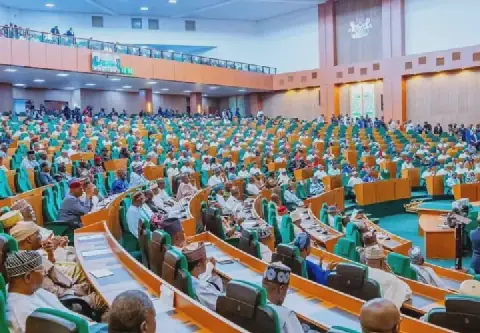
The Senegalese parliamentary group PASTEF-Les Patriotes has submitted a resolution calling for the immediate withdrawal of a presidential decree. The decree, issued on November 19, 2026, enforced a revised 2026 budget law that was previously rejected by the National Assembly. According to the group, the law was definitively rejected on November 3, 2026, with 126 votes in favor of a preliminary question based on Article 83 of the Assembly's internal regulations.
The parliamentary group argues that the presidential decree constitutes an "usurpation of the budgetary competence" of the legislative power and an infringement on the principle of separation of powers. They dispute the interpretation of Article 68 of the Constitution, which was invoked to justify the enforcement of the rejected law. The group claims that the decree undermines the authority of the National Assembly and the democratic process.
The resolution urges the executive authorities to refrain from executing the revised budget law based on the contested decree. The group also reminds the relevant officials, including budget administrators, controllers, and public accountants, of their obligations to ensure the legality and regularity of financial operations. This, they assert, is crucial in maintaining the integrity of the state's financial management.
Furthermore, the resolution provides for a thorough examination of the state's budget execution during the 2026 budget settlement. This examination will focus on the revenues collected, expenditures incurred, and loans executed under the disputed decree. The parliamentary group aims to draw all the necessary consequences of this institutional dispute on the state's budget execution.
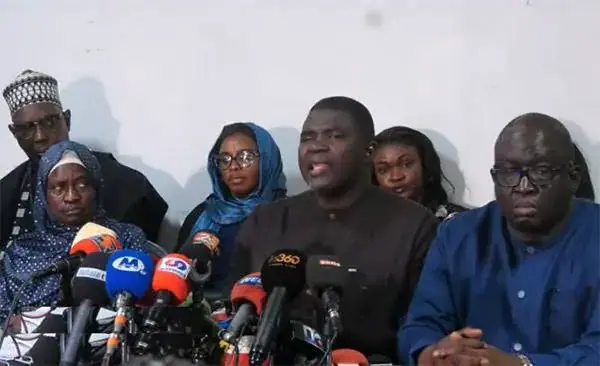
The move by PASTEF-Les Patriotes reflects a deeper institutional conflict between the legislative and executive branches in Senegal. The group, led by Babacar NGOM, is determined to assert its role in the country's budgetary process and ensure that the executive does not overstep its constitutional boundaries. The situation is being closely watched by various stakeholders, including civil society organizations and international observers.
The presidential decree has sparked concerns about the potential implications for Senegal's economic governance and the rule of law. Critics argue that the decree could set a precedent for executive overreach, undermining the country's democratic institutions and the separation of powers. The parliamentary group's resolution is seen as a crucial step in addressing these concerns and reaffirming the role of the National Assembly.
The outcome of this dispute will likely have significant implications for Senegal's governance and economic management. The country's international partners and investors are closely monitoring the situation, which could impact the country's reputation and creditworthiness. As the situation unfolds, the parliamentary group's determination to uphold the constitution and the rule of law will be crucial in shaping the country's future.
Key points
- The Senegalese parliamentary group PASTEF-Les Patriotes has contested a presidential decree enforcing a revised 2026 budget law that was previously rejected by the National Assembly.
Reporting sources
- WalFadjri · WalFadjri