In Senegal, the NGO Humanité et Inclusion, along with its partners, is mobilizing civil society to demand the active participation of women and girls with disabilities in decision-making bodies and public policies. This effort is part of the "Voix des femmes" project, which aims to address the underrepresentation of people with disabilities, particularly women and girls, in public programs and policies. The project is being implemented in Senegal, Togo, and Benin.
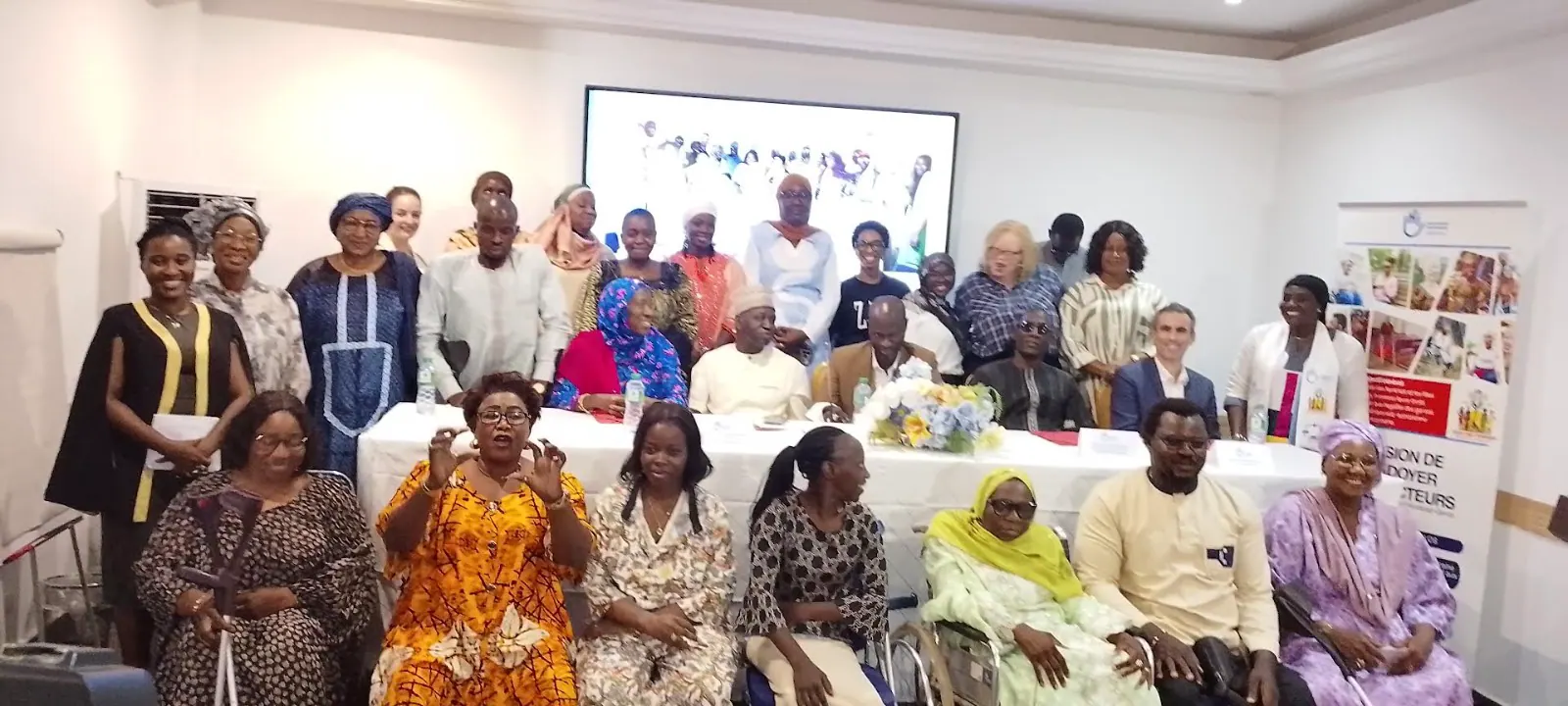
A recent session of advocacy, bringing together feminist organizations, human rights defenders, and civil society members, was organized by Humanité et Inclusion. The goal was to push for greater inclusion of people with disabilities in public life. Françoise Gabriella Mballa, project manager at Humanité et Inclusion, noted that while progress has been made in addressing disability in Senegal, much work remains to be done. Women and girls with disabilities still face significant barriers, including limited access to basic social services, elective positions, decision-making bodies, financing, and citizen and political participation.
Participants at the advocacy session called for the ratification of the African Protocol on the Rights of Persons with Disabilities and the revision of the Social Orientation Law. Isseu Gaye, president of the Women's Committee of the Senegalese Federation of Associations of People with Disabilities, emphasized that women and girls with disabilities should not only benefit from policies and programs but also participate in their design, implementation, monitoring, and evaluation. This, she argued, is crucial for ensuring that their rights and needs are adequately addressed.
Cheikh Saad Bou Diouf, advisor to the President of the Republic on disability, shares the view that it is time to shift from an assistance-based approach to one that focuses on rights, equality, autonomy, and full participation. He stressed that a woman with a disability is not just someone to be protected; disability should not condemn someone to invisibility. The advisor's comments highlight the need for a more inclusive and empowering approach to disability in Senegal.
The "Voix des femmes" project aims to amplify the voices of women and girls with disabilities, ensuring that their concerns and aspirations are taken into account in public policies. By promoting their active participation in decision-making processes, the project seeks to contribute to a more inclusive and equitable society. This effort is crucial for addressing the multiple challenges faced by women and girls with disabilities in Senegal.
According to Humanité et Inclusion, women and girls with disabilities in Senegal face numerous challenges, including gender-based violence, limited access to education and healthcare, and social stigma. By advocating for their rights and autonomy, the organization aims to help create a more just and equitable society. This includes pushing for policy changes that address the specific needs and concerns of women and girls with disabilities.
The advocacy session organized by Humanité et Inclusion reflects a broader effort to promote the rights and inclusion of people with disabilities in Senegal. By working with civil society, government officials, and other stakeholders, the organization aims to create a more inclusive and supportive environment for women and girls with disabilities. This effort has the potential to contribute to positive change and greater equality for people with disabilities in Senegal.
Key points
- Humanité et Inclusion and partners are pushing for the active participation of women and girls with disabilities in decision-making bodies and public policies in Senegal.