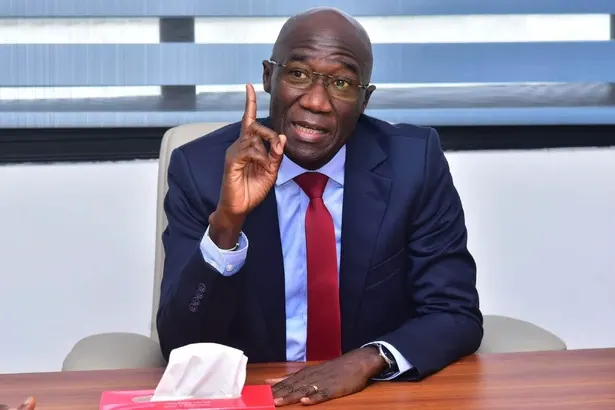
The Senegalese government is contemplating taking the recently adopted special credits law to the Constitutional Council, following its passage by the National Assembly. This development was announced by Justice Minister Me Moussa Sarr after a plenary session. The government's move comes in response to the rejection of two key amendments it had proposed, despite a request for a blocked vote.
During the examination of the law, the government had submitted three amendments. One was withdrawn after the Assembly incorporated observations from the Head of State. The other two aimed to remove a specific mention of special credits and revise the parliamentary oversight mechanism. The government argued these changes were necessary to prevent overlap with the competencies of the Court of Auditors and ensure compliance with the Uemoa community directive.
The proposed amendments were designed to address concerns over the potential for duplication of efforts and to align the law with international standards. However, the National Assembly chose not to adopt them. The government's decision to potentially appeal to the Constitutional Council indicates its dissatisfaction with the legislative process and the final form of the law.
Minister Sarr expressed disappointment over the rejection of the amendments, highlighting the government's efforts to refine the law. The blocked vote request, which was not granted, would have tied the approval of the law to the government's proposed amendments. This approach is often used to ensure coherence in legislative decisions.
The special credits law has sparked debate over the balance between parliamentary oversight and executive authority. Critics argue that the current provisions may undermine the role of the Court of Auditors and create confusion in the management of public funds. The government's appeal to the Constitutional Council could provide clarity on these issues.
The Constitutional Council's role in Senegalese legislation is crucial, as it has the authority to strike down laws deemed unconstitutional. If the government proceeds with its appeal, the Council will examine the special credits law to determine its conformity with the Senegalese Constitution and international agreements to which Senegal is a party.
The outcome of this potential appeal could have significant implications for the governance of public finances in Senegal. It may also set a precedent for future legislative-executive interactions, particularly in areas concerning financial oversight and management. The government's actions reflect its commitment to ensuring that laws align with constitutional and international standards.
Key points
- The Senegalese government is considering an appeal to the Constitutional Council over the special credits law adopted by the National Assembly.
- The law's passage without key government amendments has sparked concerns over parliamentary oversight and potential overlaps with existing institutions.
- The Constitutional Council's decision could have significant implications for the governance of public finances in Senegal.