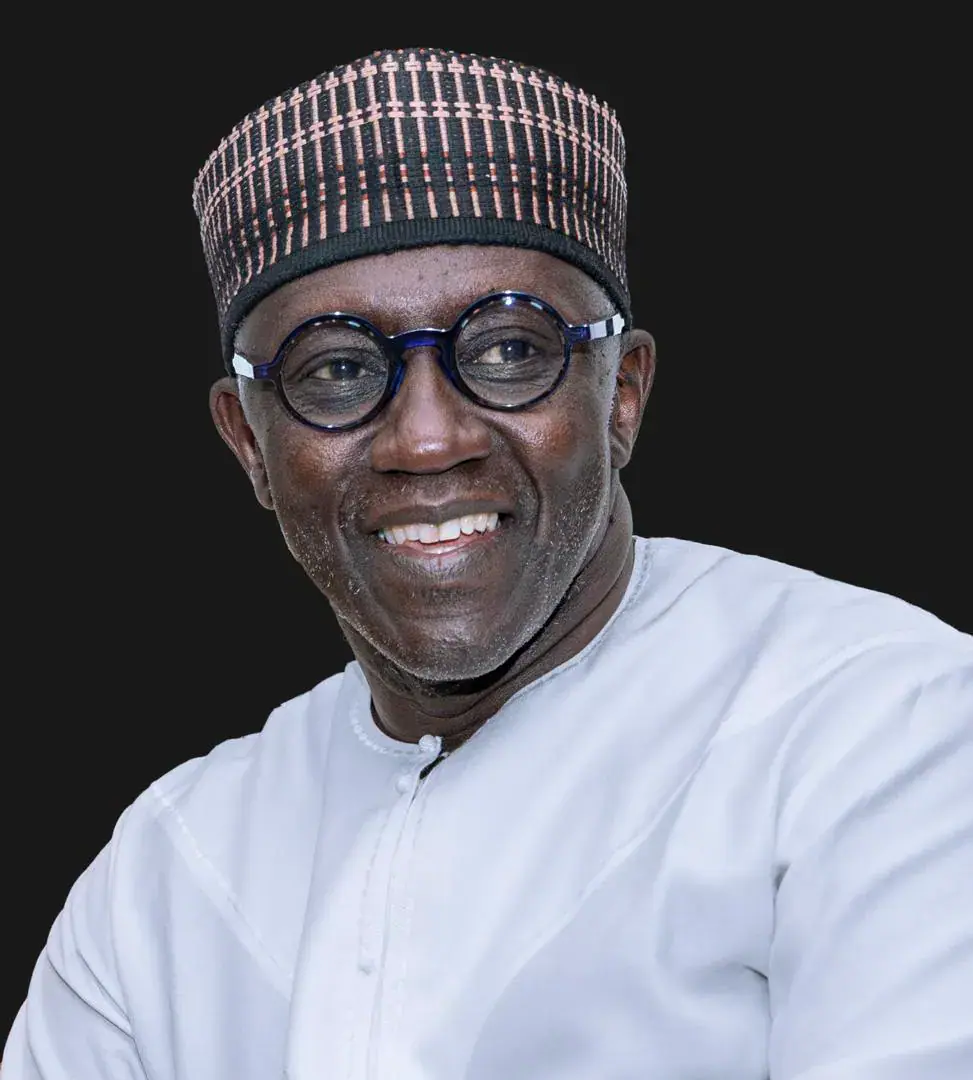
The article "De la nécessaire mobilité… Circuler est un droit humain" by Amadou Diaw, founder of the Institute of Higher Management (ISM) in Senegal, highlights the need for a new approach to migration. Diaw notes that despite efforts to curb migration, young people from Africa continue to risk their lives to reach Europe. He argues that this phenomenon is driven by a desire for connection and mobility, which is a fundamental human right.
Diaw reflects on the history of human migration, citing the examples of Arabs, Europeans, and others who have traveled across the world in search of wealth, knowledge, and new experiences. He notes that these journeys have often been marked by violence, destruction, and displacement, but also by cultural exchange and understanding. Diaw argues that today's migrants are driven by a similar desire for connection and mobility.
The article highlights the challenges faced by migrants, including exploitation, violence, and death. Diaw notes that many migrants are forced to rely on smugglers and traffickers, who often subject them to inhumane treatment. He argues that the international community has a responsibility to protect the rights of migrants and to create policies that facilitate safe and dignified migration.
Diaw cites the work of Achille Mbembe, who argues that the circulation of people requires policies of hospitality, openness, and new forms of citizenship. Diaw advocates for a new approach to migration, one that prioritizes the dignity and well-being of migrants. He argues that this requires a shift in the way we think about migration, from a focus on security and control to a focus on human rights and dignity.
The article notes that the issue of migration is complex and multifaceted, requiring a comprehensive and nuanced approach. Diaw argues that governments, international organizations, and civil society must work together to create policies that address the root causes of migration, such as poverty, inequality, and conflict. He also advocates for greater investment in education, healthcare, and economic development in countries of origin.
Diaw emphasizes the need for a more humane and compassionate approach to migration, one that recognizes the dignity and humanity of all people. He argues that we must work to create a world where people can move freely and safely, without fear of persecution or exploitation. This requires a fundamental shift in the way we think about migration and mobility.
The article concludes by emphasizing the importance of recognizing mobility as a fundamental human right. Diaw argues that this requires a new approach to migration, one that prioritizes the dignity and well-being of migrants. He advocates for greater awareness and understanding of the issues surrounding migration, as well as a more nuanced and compassionate approach to this complex and multifaceted issue.
Key points
- The article argues that mobility is a fundamental human right that must be recognized and protected.