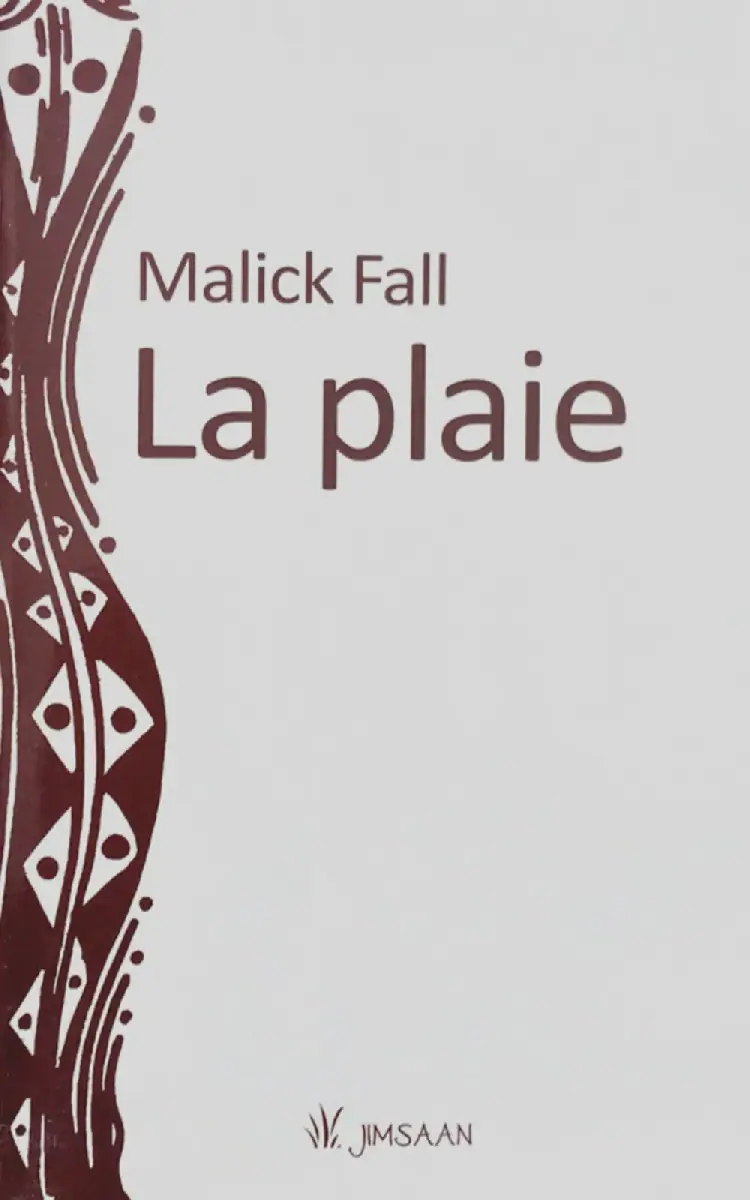
In "La Plaie de Ndar," published in 1967, Malick Fall crafts a narrative centered around Magamou, a vagabond from Walo with a wounded ankle. The novel explores Magamou's struggles to find his place in Saint-Louisian society, marked by contradictions between traditional heritage and colonial order. Through Magamou's journey, Fall examines the complexities of human existence and the search for identity. The novel offers a unique perspective on life in Saint-Louis, focusing on the city's less glamorous aspects.
Magamou's arrival in Saint-Louis is met with difficulties when an accident leaves him with a festering wound. The injury becomes a defining characteristic, influencing how others perceive him. As Magamou navigates the city, his body becomes a symbol of his identity, and his presence sparks reactions ranging from curiosity to hostility. Fall skillfully portrays the social implications of Magamou's condition, highlighting the ways in which society inscribes identity onto the body.
The market in Saint-Louis plays a significant role in the novel, serving as a backdrop for Magamou's interactions and a catalyst for his growing reputation. Despite being ostracized, Magamou finds a sense of power in his visibility, using his presence to provoke and engage with the community. Fall's portrayal of Magamou's character challenges traditional notions of the misfortunate, presenting a complex and multifaceted individual.
The novel explores the relationship between Magamou's physical condition and his social standing. As his wound heals, Magamou struggles to adapt to his new circumstances, finding that his identity is inextricably linked to his former self. Fall subverts conventional narrative expectations, presenting the healing of Magamou's wound as a source of uncertainty rather than liberation.
The city of Saint-Louis is a character in its own right, providing a rich backdrop for the narrative. Fall's vivid descriptions of the city's sights, smells, and sounds immerse the reader in the world of the novel. The author's use of language, blending French with Wolof and oral traditions, adds depth and texture to the narrative.
Magamou's journey raises important questions about identity, belonging, and the human condition. As he navigates the complexities of Saint-Louisian society, Magamou's experiences offer insights into the ways in which individuals construct and negotiate their identities. Fall's novel provides a thought-provoking exploration of these themes, inviting readers to reflect on the complexities of human existence.
The significance of "La Plaie de Ndar" lies in its nuanced portrayal of life in Senegal during a period of colonial and social change. Malick Fall's work offers a powerful exploration of the human condition, one that continues to resonate with readers today. The novel's themes of identity, belonging, and social responsibility remain relevant, making it a valuable contribution to Senegalese literature.
Key points
- Malick Fall's novel "La Plaie de Ndar" explores the complexities of social identity and belonging in Saint-Louis, Senegal.
- The novel challenges traditional notions of the misfortunate, presenting a complex and multifaceted individual in Magamou.
- The city of Saint-Louis plays a significant role in the narrative, providing a rich backdrop for the exploration of themes and characters.
Reporting sources
- La plaie de Ndar · Le Soleil