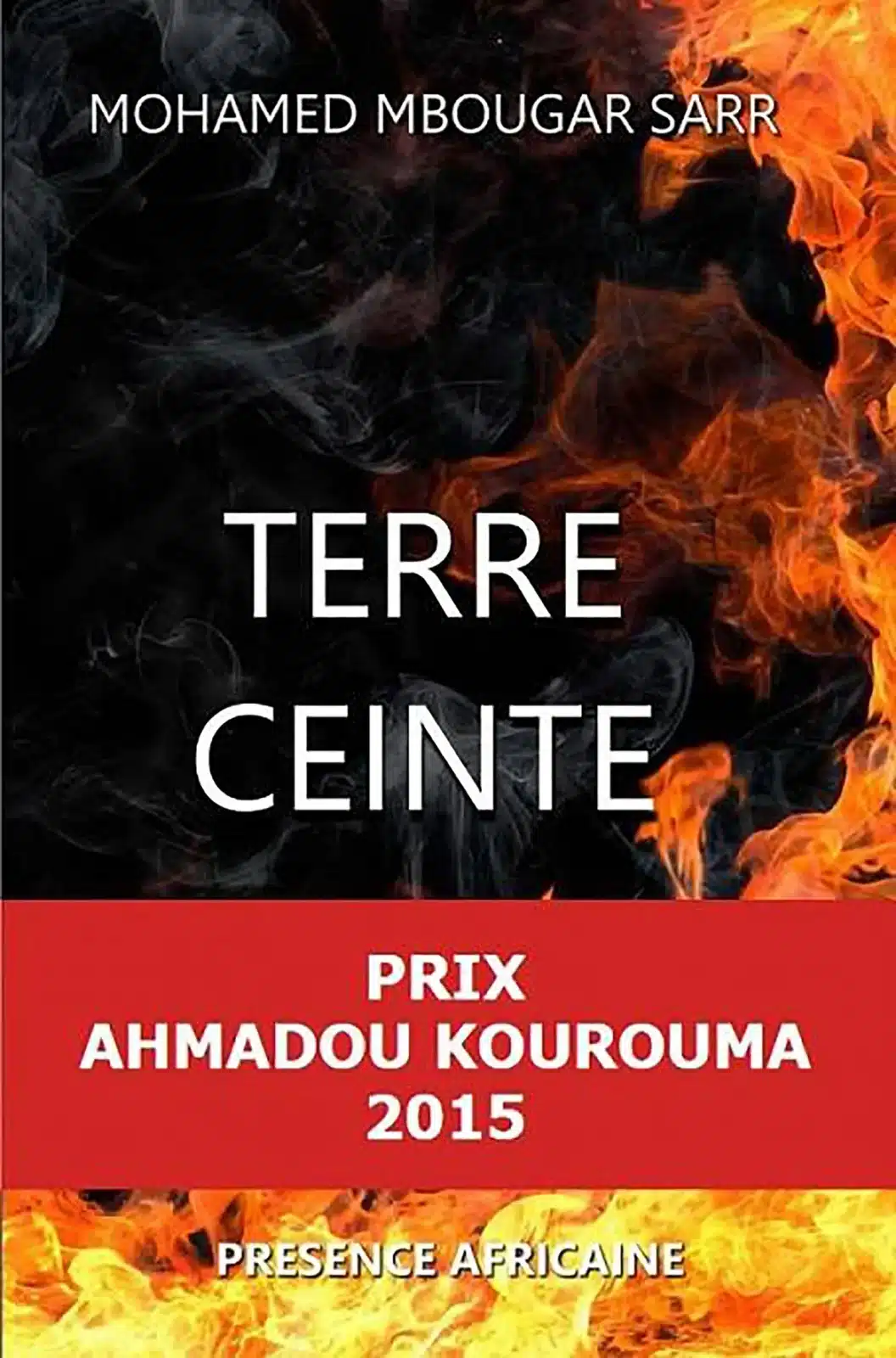
In the fictional city of Kalep, Senegal, a young couple's love story has tragic consequences. The couple is condemned to death by a crowd for violating the rules of the "Fraternité", a powerful religious authority that has controlled the city for four years. The event sparks fear and resignation among the city's residents, who have grown accustomed to living under the regime's strict rules and surveillance. The "Fraternité" imposes its own brand of justice, policing every aspect of citizens' lives.
The novel, written by Mohamed Mbougar Sarr, plunges readers into a world where the "Fraternité" exercises total control over Kalep. The regime's men monitor behavior, impose dress codes, and punish anyone who deviates from their strict interpretation of faith. As a result, residents have learned to carefully choose their words, associations, and habits. The city's atmosphere is one of constant vigilance, with citizens living in fear of being reported to the authorities.
Malamine, a doctor at Kalep's hospital, has witnessed the city's transformation firsthand. For four years, he has lived with the fear of death and the desire to protect his family. However, the execution of the young couple shakes him out of his complacency, and he begins to question the regime's authority. Malamine joins a group of like-minded individuals, including Déthié, a university professor, who are determined to resist the "Fraternité"'s grip on the city.
The group, which meets in secret at the "Jambaar", a local tavern, includes Codou, Madjigueen, and the Père Badji. They begin to publish a clandestine newspaper, which becomes a powerful tool for resistance. Through their writing, they aim to preserve the truth, transmit information, and counter the regime's official narrative. The newspaper becomes a symbol of defiance, a way for the resistance to assert their freedom of expression in a city where every aspect of life is controlled.
As the resistance movement gains momentum, the characters' personal lives become increasingly intertwined with the struggle against the "Fraternité". The mothers of the executed couple exchange letters, sharing their grief and preserving their children's memories. Malamine's own family becomes embroiled in the conflict, with his wife and children facing the consequences of his involvement in the resistance.
Through the characters' experiences, Mbougar Sarr explores the complexities of life under authoritarian rule. The novel highlights the tensions between faith, power, and truth, raising essential questions about who has the right to define moral standards and impose them on society. The author sheds light on the human cost of living under a repressive regime, where fear, doubt, and hope coexist in a delicate balance.
The character of Abdel Karim Konaté, a key figure in the "Fraternité", embodies the regime's rigid ideology. His interactions with the resistance members spark debates about the intersection of faith and politics, and the consequences of using religion as a tool for social control. Ultimately, "Terre Ceinte" offers a powerful exploration of the human condition, revealing the resilience of individuals in the face of oppression and their determination to preserve their freedom and dignity.
Key points
- The novel "Terre Ceinte" explores life in a fictional Senegalese city under the grip of an authoritarian religious regime.
- The resistance movement, led by characters like Malamine and Déthié, uses writing and clandestine publications as a tool for defiance.
- The novel raises essential questions about the intersection of faith, power, and truth, and the human cost of living under a repressive regime.