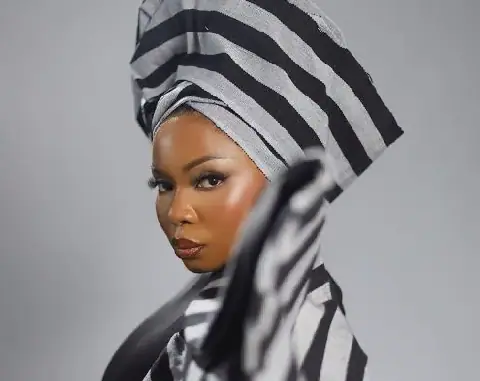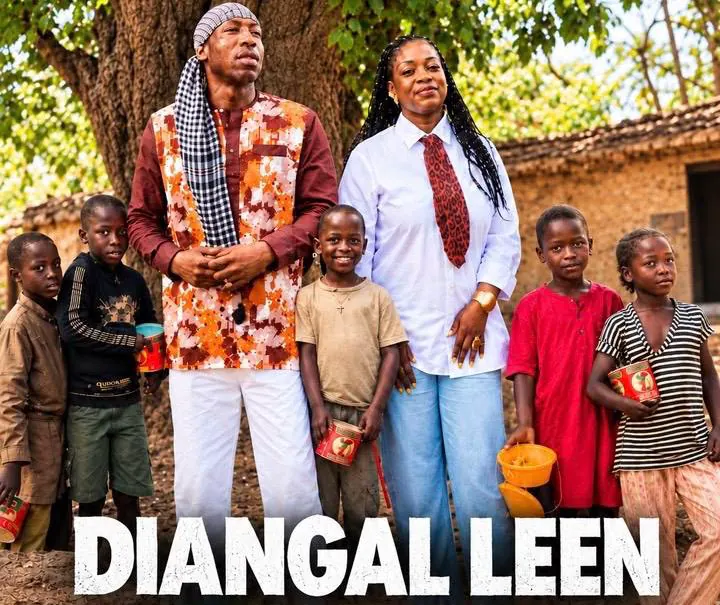
Senegalese artists Shaka Babs and Lady Wiko have launched a campaign to promote the integration of vocational training in daaras, or Islamic schools, through their new song "DIANGAL LEEN". The song, which means "Teach them" in Wolof, aims to highlight the importance of combining religious education with practical skills to prepare young people for the future. The artists believe that learning the Quran alongside a trade can help young people develop a better understanding of their faith while also acquiring skills to secure a stable income.
Shaka Babs and Lady Wiko argue that many young people from daaras face significant challenges in their adult lives due to a lack of vocational training. Without a trade or qualification, they often turn to negative activities such as maraboutage, or are lured into destructive behavior. The artists cite examples of traditional daaras, such as those run by the Colycounda family of Albadar or the late Arc Souleymane Sané of Mangoulène, where students learned both the Quran and practical skills like agriculture, animal husbandry, masonry, and carpentry.
The artists' campaign seeks to revive this traditional approach to education, which they believe can help young people become more autonomous and economically self-sufficient. By learning a trade alongside their religious studies, students can develop a range of skills that will serve them well in their future careers. Shaka Babs and Lady Wiko hope that their song will inspire a rethink of the way daaras operate and the opportunities they provide for young people.
The song "DIANGAL LEEN" is part of a broader effort to promote a more holistic approach to education in Senegal. Shaka Babs and Lady Wiko are not alone in their advocacy for vocational training in daaras, with many organizations and individuals calling for greater investment in education and skills development. The artists hope that their music will help to raise awareness of the issue and inspire positive change.
Shaka Babs and Lady Wiko's campaign has been welcomed by many in Senegal, who see the need for greater emphasis on vocational training in daaras. The artists' message is seen as particularly relevant in a country where many young people face significant challenges in accessing education and employment opportunities. By highlighting the importance of combining religious education with practical skills, Shaka Babs and Lady Wiko hope to help create a more prosperous and equitable future for all Senegalese.
The artists' advocacy for vocational training in daaras reflects a broader recognition of the need for skills development in Senegal. With a growing youth population and a rapidly evolving job market, there is a pressing need for education and training programs that can equip young people with the skills they need to succeed. Shaka Babs and Lady Wiko's campaign is seen as an important contribution to this effort.
As Shaka Babs and Lady Wiko continue to promote their song and their message, they hope to inspire a wider conversation about the future of education in Senegal. By highlighting the importance of vocational training in daaras, they aim to help create a more inclusive and equitable education system that provides opportunities for all young people to succeed.
Key points
- Shaka Babs and Lady Wiko are advocating for the integration of vocational training in daaras to provide young people with practical skills and a better future.