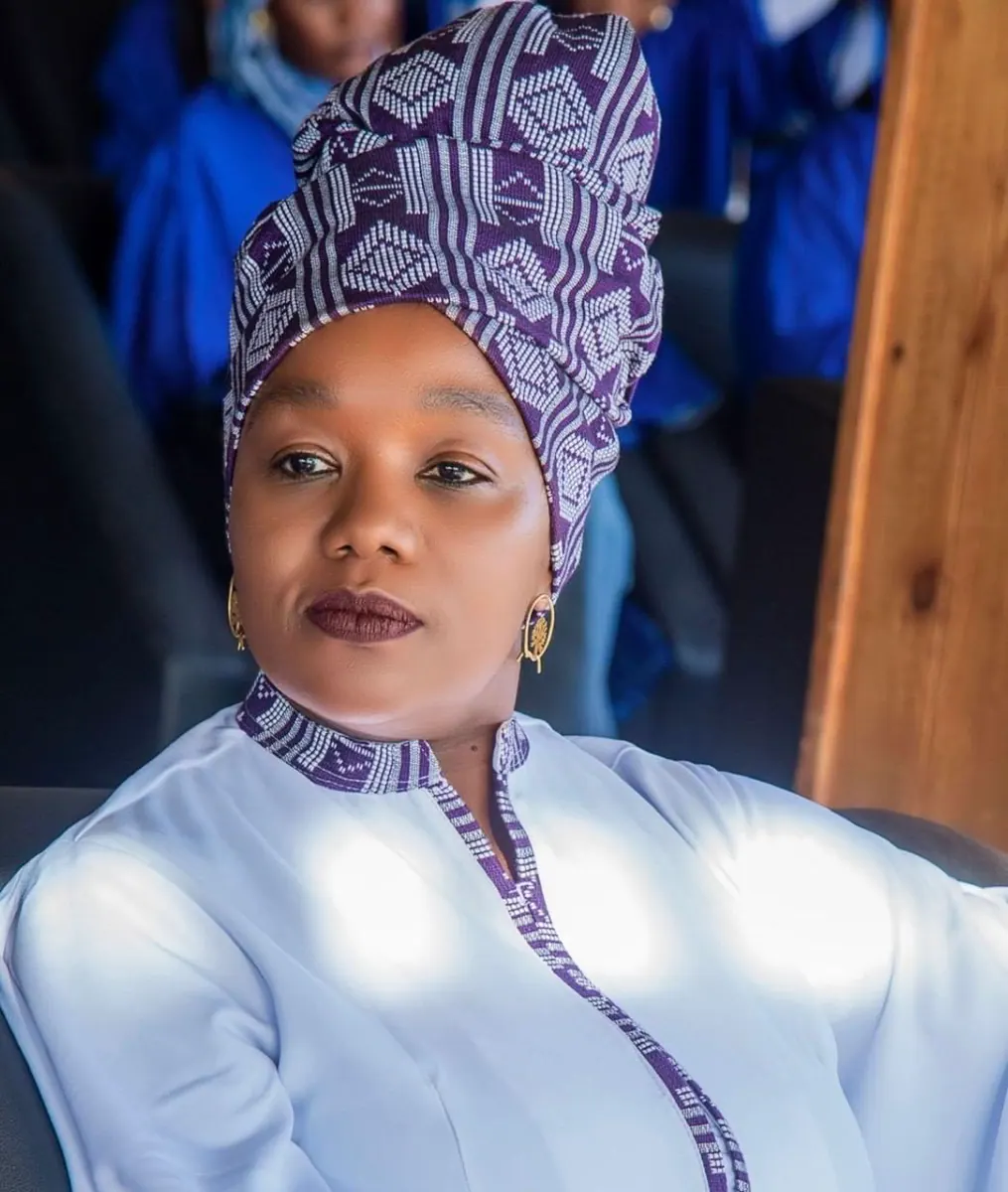
Senegal is reeling from severe flooding that has destroyed numerous crèches and schools, disrupting the start of the academic year for thousands of children. The destruction of these early childhood education centers has significant economic, social, and human impact, emphasizing the need for urgent public subsidies and a deep revaluation of the sector's professions. Fa Diallo, founder of the Institut Académique des Bébés and president of the Association BOYAM, has spoken out on the issue.
The flooding has highlighted the vulnerability of Senegal's early childhood education system, which is largely reliant on private initiatives that often operate without state subsidies. These private structures play a crucial role in supporting families and providing essential services, but their destruction in the face of natural disasters has severe consequences for the communities they serve. Diallo is calling for a collective response to address the challenges facing the sector.
The impact of the flooding extends beyond the physical destruction of crèches and schools, affecting the livelihoods of parents, particularly women, who rely on these services to care for their children while they work. The economic consequences of inaction are significant, as a parent unable to work due to childcare responsibilities can lead to a reduction in household income, affecting not only the family but also the broader economy.
Diallo is advocating for a sustained investment in early childhood education infrastructure, rather than ad-hoc support, to ensure that children can continue their education and that families can access essential services. This includes the development of resilient structures that can withstand natural disasters and climate change. The recognition of the competencies and vocations of early childhood education professionals is also crucial, she argues.
The Senegalese government is being urged to engage in a dialogue with civil society and private sector stakeholders to develop a collective response to the challenges facing early childhood education. This includes the establishment of emergency subsidies and a revaluation of the professions in the sector, which are essential for the development of the country's future workforce.
The destruction of crèches and schools in Senegal has significant implications for the country's economic and social development, particularly in the context of climate change. The impact on children's education and the livelihoods of parents can have long-term consequences, emphasizing the need for urgent and sustained investment in the sector.
Fa Diallo's call to action highlights the need for a comprehensive approach to addressing the challenges facing early childhood education in Senegal, including investment in infrastructure, recognition of professionals, and support for families. The future of the country's children and economy depends on it.
Key points
- Investment in early childhood education is crucial for Senegal's economic and social development.
- The recognition of early childhood education professionals' competencies and vocations is essential.
- A collective response from government, civil society, and the private sector is necessary to address the challenges facing the sector.