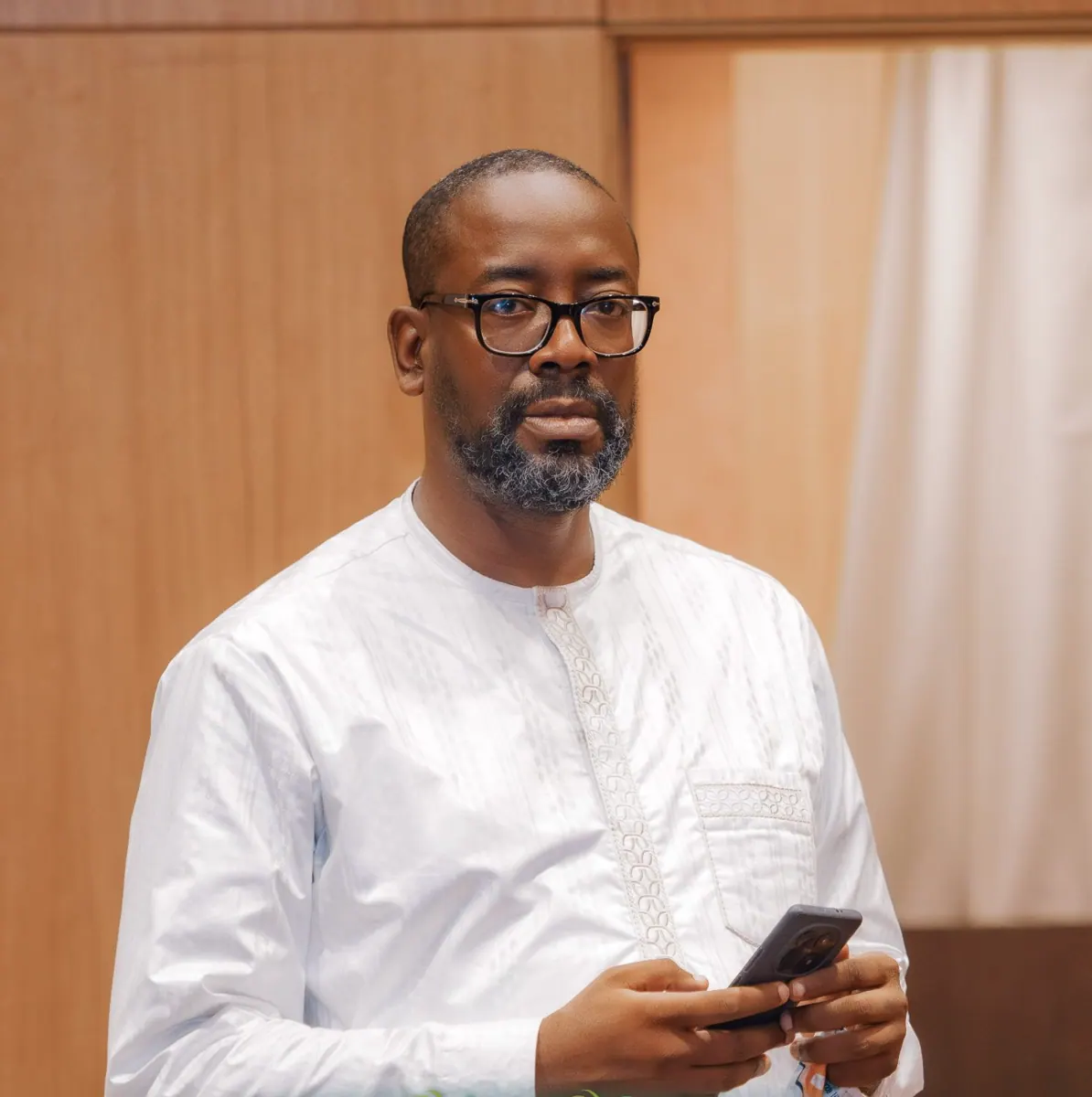
In Senegal, people with disabilities face significant challenges in accessing digital services. According to Cheikh Ahmadou Bamba Mbacké of the Open Society Senegal, the country's current digital landscape does not provide equal opportunities for people with disabilities. With approximately 1.7 million people living with disabilities, only 800,000 are of working age, but lack access to employment opportunities. Furthermore, only 12% of people with disabilities use public digital services regularly.
A report by the World Wide Web Consortium (W3C), an organization responsible for standardizing digital accessibility, estimates that 15% of the global population lives with a disability. However, 98% of public websites worldwide do not meet accessibility standards. Cheikh Ahmadou Bamba Mbacké attributes this situation to the lack of public policies that cater to people with disabilities. Despite Senegal signing the United Nations Convention on the Rights of Persons with Disabilities in 2007, the country has not implemented effective measures to ensure equal access to digital services.
To address this issue, Cheikh Ahmadou Bamba Mbacké recommends the development of a comprehensive roadmap that involves all stakeholders, including experts, people with disabilities, policymakers, and administrators. This roadmap should provide clear guidelines for institutions to follow and ensure equal access to digital services. He also emphasizes the need for these guidelines to be passed into law and implemented nationwide.
The lack of digital accessibility in Senegal has significant implications for people with disabilities. Without equal access to digital services, people with disabilities are excluded from participating fully in society. Cheikh Ahmadou Bamba Mbacké stresses that it is essential to address this issue to promote social inclusion and equality. He also highlights the need for awareness-raising campaigns to educate the public about the importance of digital accessibility.
To improve digital accessibility, Cheikh Ahmadou Bamba Mbacké suggests that Senegal should develop a legal framework that ensures equal access to digital services. This framework should be developed in consultation with all stakeholders and should provide clear guidelines for institutions to follow. He also recommends the establishment of a national committee to oversee the implementation of digital accessibility measures.
The Open Society Senegal is advocating for a more inclusive approach to digital development. Cheikh Ahmadou Bamba Mbacké emphasizes that digital accessibility is not only a human right but also essential for promoting social inclusion and equality. He calls on the Senegalese government to prioritize digital accessibility and ensure that all citizens have equal access to digital services.
The issue of digital accessibility in Senegal highlights the need for a more inclusive approach to digital development. With the right policies and frameworks in place, Senegal can promote equal access to digital services and ensure that people with disabilities are not left behind. As the country continues to develop its digital landscape, it is essential that digital accessibility remains a priority.
Key points
- Senegal's Open Society is calling for a legal framework to improve digital accessibility for people with disabilities.
- The country's current digital landscape does not provide equal opportunities for people with disabilities.
- A comprehensive roadmap involving all stakeholders is needed to ensure equal access to digital services.