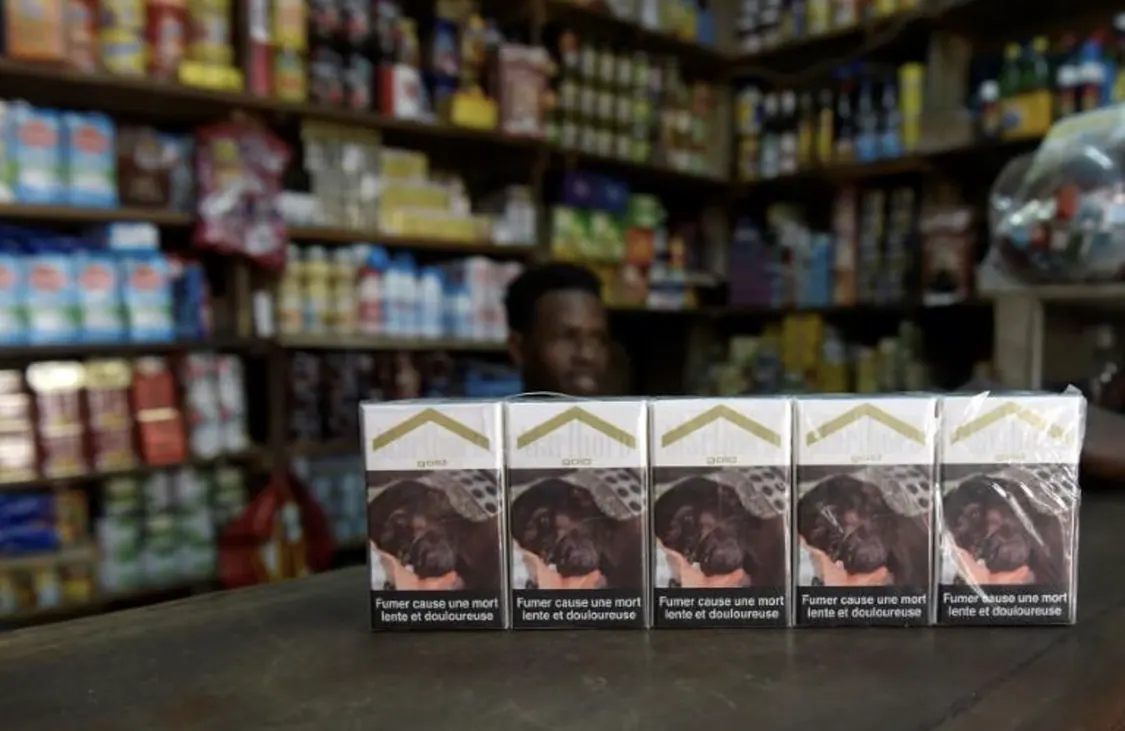
A study published in March 2025 has highlighted the ongoing challenges Senegal faces in protecting its public health policies from the commercial interests of the tobacco industry. The research, which assessed the level of influence exerted by the tobacco industry on public decisions, was conducted in light of Article 5.3 of the World Health Organization's Framework Convention for Tobacco Control (FCTC). Senegal, having ratified this convention, is committed to safeguarding its health policies against tobacco industry interests.
The study, which evaluated the period from April 2023 to March 2025, used the Industry Tobacco Index to assess Senegal's vulnerabilities. It found several weaknesses, including a lack of transparency and fiscal exemptions granted to the tobacco sector. These exemptions have been criticized for directly benefiting the tobacco industry and undermining public health policies. The report also noted the insufficient disclosure of information related to investments in the tobacco industry.
The tobacco industry's influence in Senegal has been a longstanding concern for the Ligue sénégalaise contre le tabac (Listab), which has been alerting authorities to the issue for several years. The organization's warnings have echoed the findings of the recent study, which confirmed the persistence of vulnerabilities in Senegal's regulatory framework. The study's results were presented to the press as part of the third edition of the Industry Tobacco Index.
The study's authors and civil society organizations engaged in the fight against tobacco are calling for concrete measures to address these issues. Their recommendations include the abolition of fiscal exemptions for the tobacco sector, full transparency on industry investments, and strict implementation of Article 5.3 of the WHO FCTC. These demands are particularly urgent given that Senegal, like many African countries, remains a prime target for the tobacco industry's influence strategies.
The tobacco industry's tactics aim to delay or weaken restrictive legislation, posing significant challenges to public health efforts in Senegal. The country's experience is reflective of a broader trend in Africa, where the tobacco industry seeks to exploit regulatory gaps and influence policymakers. The study's findings underscore the need for Senegal to strengthen its legal and institutional framework to protect its health policies from commercial interference.
Khadydja NDIAYE reported on the study's findings, which have sparked renewed calls for action from civil society organizations and health advocates in Senegal. The government faces mounting pressure to address the issue and ensure that its policies prioritize public health over the interests of the tobacco industry. The implementation of the recommended measures will be crucial in determining Senegal's ability to effectively combat the influence of the tobacco industry.
The persistence of tobacco industry influence in Senegal highlights the complexities of regulating a sector that is widely recognized as detrimental to public health. The country's experience serves as a reminder of the need for continued vigilance and cooperation between governments, civil society, and international organizations to address the challenges posed by the tobacco industry.
Key points
- The study found that Senegal has significant vulnerabilities in its regulatory framework, including a lack of transparency and fiscal exemptions granted to the tobacco sector.
- Civil society organizations are calling for concrete measures to address the issue, including the abolition of fiscal exemptions and full transparency on industry investments.
- The tobacco industry's influence in Senegal is part of a broader trend in Africa, where the industry seeks to exploit regulatory gaps and influence policymakers.