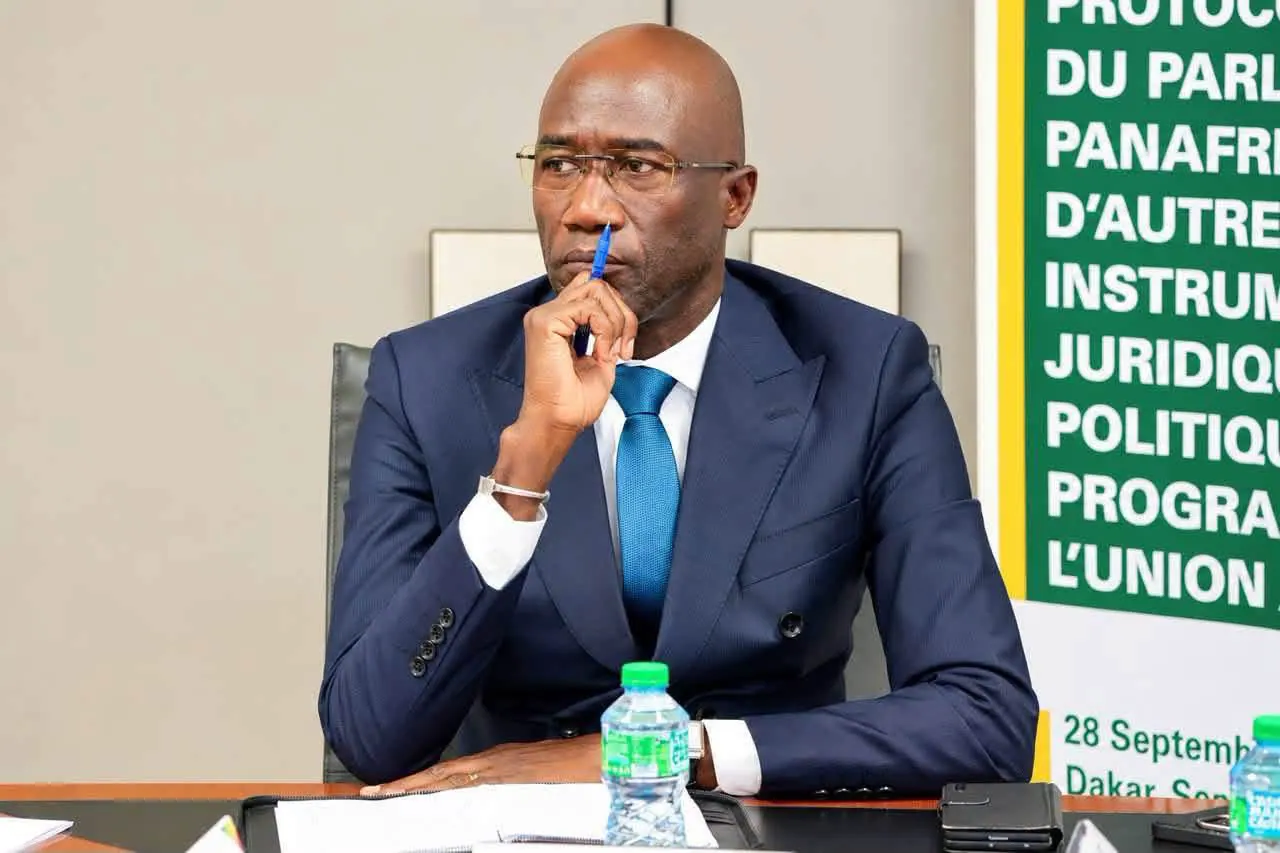
Senegal's authorities have taken a firmer stance against financial crimes, focusing on recovering illicit gains. On October 5, Justice Minister Me Moussa SARR presided over a workshop in Dakar aimed at enhancing the country's ability to seize, confiscate, and recover criminal assets. The event, held at the NOOM hotel, brought together various stakeholders in the justice system. Minister SARR emphasized the need for a more comprehensive approach to tackling economic and financial crimes.
The minister highlighted the significant impact of economic and financial crimes on the country's development. He noted that such crimes deprive the state of vital resources, undermine compliant businesses, and create an uneven playing field fueled by illicit funds. Furthermore, Me SARR pointed out that the effects of these crimes are tangible, resulting in the absence of essential public infrastructure, such as schools and health posts. This, he stressed, is a critical concern that requires a robust response.
Me SARR underscored that simply imposing prison sentences on offenders is no longer sufficient. He argued that the benefits derived from crimes often remain intact even after the perpetrator has served their sentence. This allows the individual to regain control of the illicit assets, rendering the punishment ineffective. The minister emphasized the need to strengthen procedures for recovering these assets, ensuring that crime does not pay.
The workshop aims to equip participants with the necessary skills to effectively handle criminal assets. By improving cooperation among stakeholders in the justice system, the authorities hope to make the recovery of illicit assets a key aspect of their response to crime. This initiative is part of a broader effort to enhance the country's ability to combat financial crimes and promote accountability.
According to Minister SARR, the issue at hand is not just about punishing offenders but also about preventing them from benefiting from their crimes. He stated that the enjoyment of illicit gains can be restored to the perpetrator once their prison sentence is completed, which can undermine the justice system's integrity. To address this, the authorities are working to develop more effective strategies for asset recovery.
The event was attended by various stakeholders, including law enforcement officials, judges, and prosecutors. The participants are expected to engage in discussions and training sessions focused on best practices for seizing and confiscating criminal assets. By sharing expertise and experiences, the authorities aim to build a stronger, more coordinated response to financial crimes.
The Senegalese government's efforts to track down illicit financial gains reflect a growing recognition of the need for a more comprehensive approach to combating crime. As Minister SARR noted, the goal is to ensure that crime does not pay and that those who engage in financial crimes are held accountable. The outcome of the workshop will likely shape the country's future strategies for tackling financial crimes and promoting economic integrity.
Key points
- Senegal's justice minister leads workshop on seizing and confiscating criminal assets