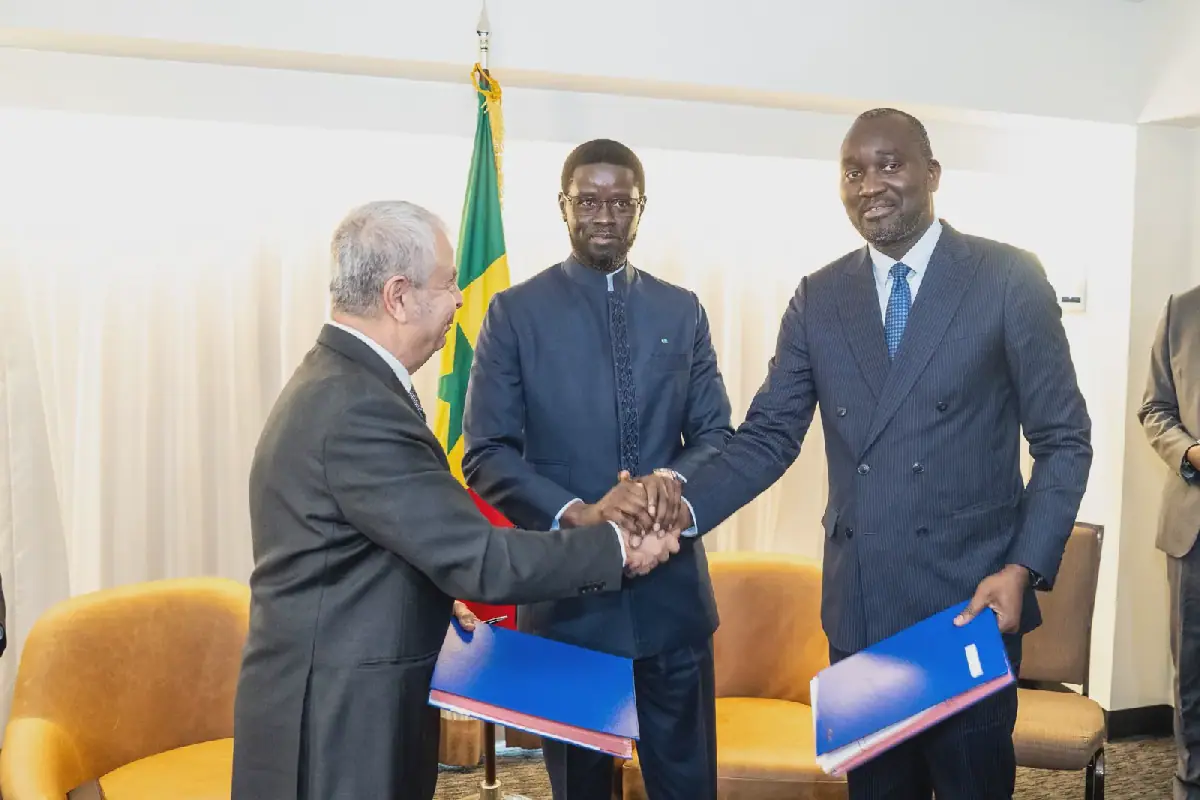
On September 23, 2026, Senegalese President Bassirou Diomaye Diakhar Faye presided over a ceremony in New York, where a protocol agreement was signed between the Société africaine de raffinage (SAR) and Turkish company Yamata. The agreement paves the way for the construction of a second oil refinery in Senegal with a capacity of 4 million tons per year. The new refinery will be designed to process crude oil produced in the Sangomar field and other types of crude oil available on the international market.
The investment for the project is estimated to be between $2 and $3 billion. Yamata will be responsible for engineering, procurement, and construction, as well as mobilizing financing with its financial partners. According to the terms of the agreement, the financial arrangement will be made without a sovereign guarantee from the Senegalese government. This is seen as a way to limit the impact of the project on public finances.
The agreement also includes a significant modernization program for the existing Mbao refinery. The modernization project is estimated to cost between $300 and $500 million. The goal is to strengthen existing refining capacities and significantly increase national refining capacities. Senegal, which has been producing oil since 2024, still imports a significant portion of its petroleum products.
The new refinery is expected to cover the country's domestic market needs and generate surplus volumes for export to neighboring countries. The project is also seen as a driver of industrial transformation, with the availability of refined products expected to benefit various sectors of the economy, including agriculture, transportation, industry, and construction.
The protocol agreement also provides for the development of petrochemical projects, with the aim of promoting local transformation of petroleum derivatives and the emergence of new industrial activities. This could create an ecosystem around refining, ranging from hydrocarbon transformation to maintenance, logistics, engineering, and industrial services.
The project is expected to create over 15,000 direct jobs during the construction phase, with a focus on local content. The Senegalese government sees this project as a way to create more opportunities for young people and drive industrial development. The construction of the new refinery and the modernization of Mbao are seen as key components of Senegal's strategy to transform its hydrocarbon sector.
The agreement between SAR and Yamata marks a significant step towards Senegal's goal of becoming a major industrial player in the hydrocarbon sector. The project is expected to have a positive impact on the country's economy and contribute to its development. Key aspects of the project include the construction of a new refinery, modernization of the existing refinery, and creation of jobs and industrial opportunities.
Key points
- The project aims to create over 15,000 direct jobs during the construction phase.
- The investment for the project is estimated to be between $2 and $3 billion.
- The new refinery will have a capacity of 4 million tons per year.