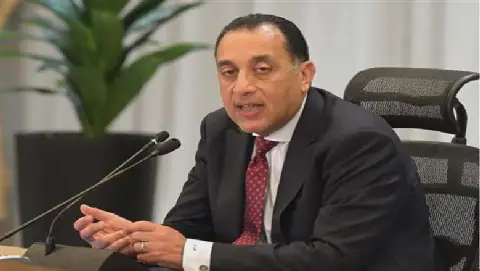
Mamadou Manizor Thiam, a Senegalese expert, has expressed concern about the country's youth losing hope due to a lack of economic opportunities. He notes that when hope is lost, it is difficult to retain young people, leading to irregular migration. Thiam emphasizes that addressing the root causes of migration is crucial and that the government's response should not be limited to coast surveillance. Instead, he advocates for policies that tackle the reasons behind the youth's desire to seek opportunities elsewhere.
Thiam criticizes the current approach to addressing youth unemployment, stating that the focus on financing programs and mechanisms has not yielded sufficient results. He argues that the government's efforts should shift from merely providing financial resources to creating sustainable activities and empowering young people. The expert stresses that it is essential to move beyond measuring the success of programs based on funds mobilized or deployed and instead focus on their impact on creating viable projects that generate revenue.
According to Thiam, the problem lies not only in the availability of resources but also in their orientation and utilization. Senegal has implemented various programs to support and finance young people, but their impact on creating sustainable activities and empowering beneficiaries remains insufficient. He calls for a more rigorous approach to evaluating the effectiveness of these programs, with a focus on results rather than just funding.
The structure of Senegal's economy also poses a significant challenge, with over 80% of enterprises operating in the informal sector. Thiam argues that public policies must be designed with this reality in mind, and the private sector must be encouraged to create more value-added opportunities and jobs. However, the recent economic difficulties have weakened this capacity, and Thiam stresses that the government must take a more proactive approach to supporting the private sector.
Thiam also highlights the need for a reform of the education system to address the mismatch between the skills produced and the needs of the economy. He advocates for a greater emphasis on technical and vocational training, as the country needs more technicians to drive its development. This reform should also be reflected in the regions, with the creation of training structures adapted to local realities, to bring opportunities closer to young people and limit rural exodus.
The agricultural sector is another area where potential remains untapped, according to Thiam. However, he warns against approaches that focus solely on financing, emphasizing that constraints such as climate change, access to technical means, and marketing conditions must also be addressed. Thiam recommends better coordination of financial resources, technical skills, and economic support for producers, with a long-term vision to create sustainable activities that do not rely on continuous government intervention.
Ultimately, Thiam's message is one of urgency and pragmatism. He calls for a more realistic public discourse and policies that are grounded in the country's economic possibilities. The government must prioritize the creation of sustainable opportunities and jobs, rather than just providing financial support. By doing so, Senegal can reduce the incentives for irregular migration and help its youth build a more promising future.
Key points
- The Senegalese government must address the root causes of irregular migration by creating sustainable economic opportunities and jobs for its youth.