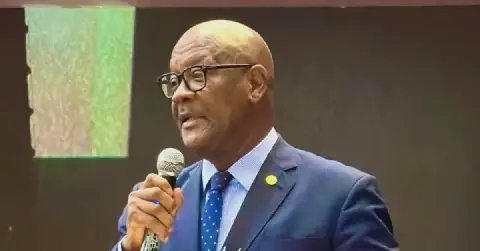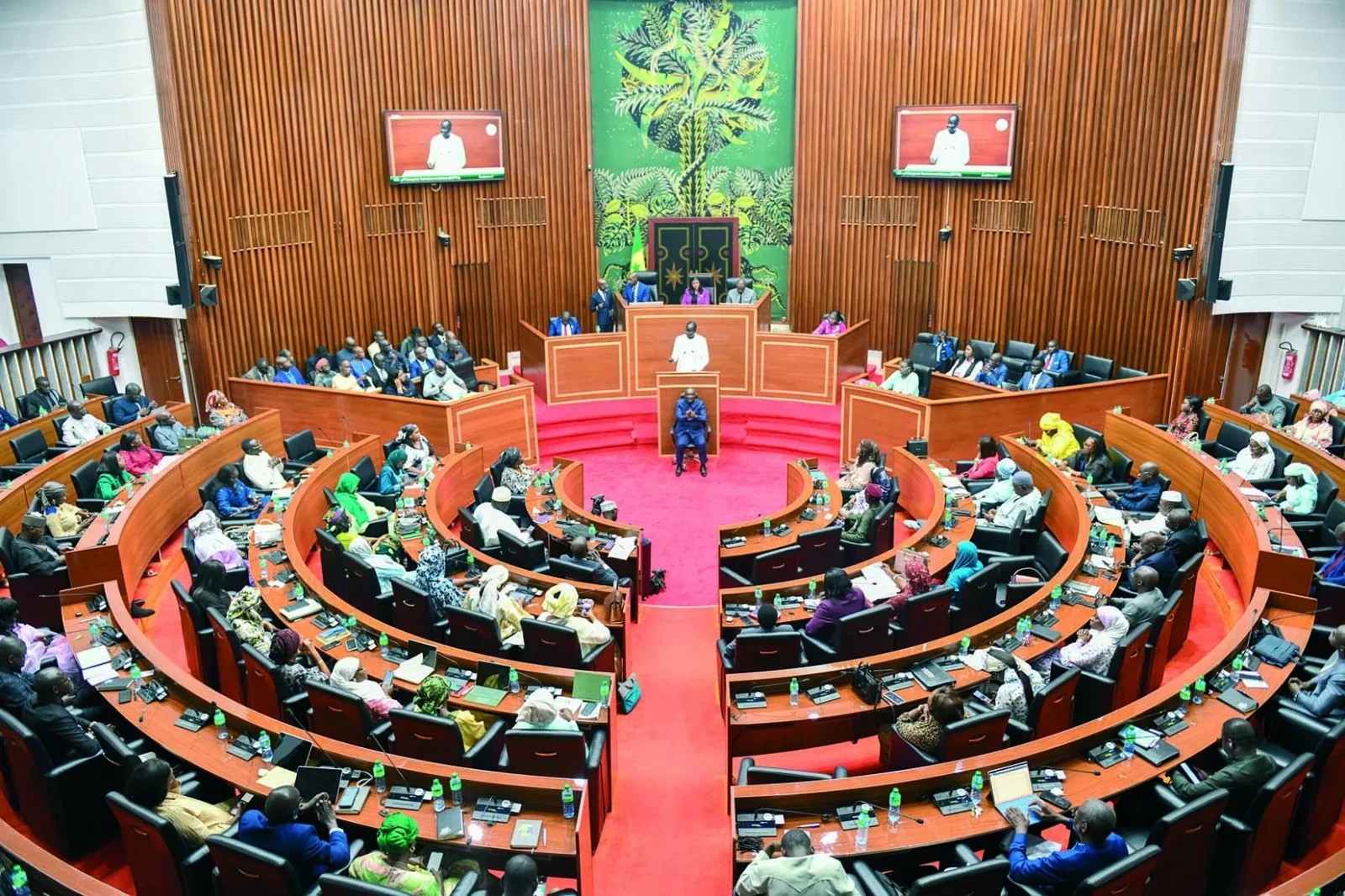
The upcoming plenary sessions of Senegal's National Assembly are expected to focus on several contentious issues, including the modification of the country's oil code and the regulation of special funds. According to Dr. Mor Fall, a public law lecturer at the University of Cheikh Anta Diop in Dakar, these sessions may lead to a confrontation between the legislative and executive branches over their respective areas of jurisdiction. Dr. Fall notes that the Constitution outlines specific areas where the law and regulations apply, which may lead to disagreements between the two branches.
One of the key areas of contention is the regulation of special funds, where the question of the legal vehicle used is central. Dr. Fall recalls that a previous decision by the Constitutional Council has already addressed the boundary between the legislative and regulatory domains in this matter. He also highlights the distinction between programs, which group credits for implementing public policies, and appropriations, intended to cover expenses that cannot be associated with performance objectives or criteria. This distinction may lead to disagreements over the nature of certain provisions and the role of the Constitutional Council.
The procedure may also play out on the terrain of amendments, particularly with regards to the oil code. The government may propose modifications to the text, but if these amendments are rejected by Parliament, the institutional balance of power does not necessarily end there. Dr. Fall notes that the government has constitutional levers, including the possibility of a blocked vote or referral to the Constitutional Council. The oil code is a particularly contentious issue, as the proposed modification to Article 20 aims to allow Parliament to intervene through a plenary debate, without a vote, on oil contracts.
However, Dr. Fall notes that the approval of these contracts currently falls under the Executive's authority and is decreed. This raises questions about the extent to which Parliament can intervene without encroaching on the Executive's regulatory domain. The jurist also wonders at what point the government can oppose an inadmissibility or refer the matter to the constitutional judge. These questions are likely to become crucial in the coming days as the plenary sessions approach.
According to Dr. Fall, the essential issue at stake is the delimitation of competencies between the legislative and executive branches. He emphasizes that it is crucial to clarify and circumscribe the field of intervention for each power. The jurist notes that every stage of the procedure can become a lever of confrontation, from parliamentary initiative to examination in committee, amendments, inadmissibility, voting, and eventually, arbitration by the Constitutional Council.
The upcoming plenary sessions may set a precedent for future relations between the Executive and Parliament in Senegal. Dr. Fall's comments suggest that the current tensions may be part of a larger institutional dynamic, where each branch seeks to assert its authority within the constitutional framework. As the plenary sessions approach, stakeholders will be closely watching the arguments presented by each side to gauge the likely outcome of this disagreement.
The Senegalese National Assembly has convened its deputies for three plenary sessions, which are expected to address several key issues, including the modification of the oil code and the regulation of special funds. The outcome of these sessions may have significant implications for the country's institutional balance of power and the delimitation of competencies between the legislative and executive branches.
Key points
- Upcoming plenary sessions in Senegal's National Assembly may lead to confrontation over constitutional powers and jurisdiction.
- The modification of the oil code and regulation of special funds are key areas of contention.
- The Constitutional Council may play a crucial role in resolving disputes between the legislative and executive branches.