The University Gaston Berger in Saint-Louis, Senegal, has successfully hosted its first-ever Citizen Camp, bringing together nearly 500 students for a two-week program that combines civic and patriotic education with military discipline, sports, and community activities. This innovative initiative aims to instill values of citizenship, civics, and patriotism in young university students. The program was developed in response to concerns that students often graduate with strong theoretical knowledge but lack essential life skills and values.
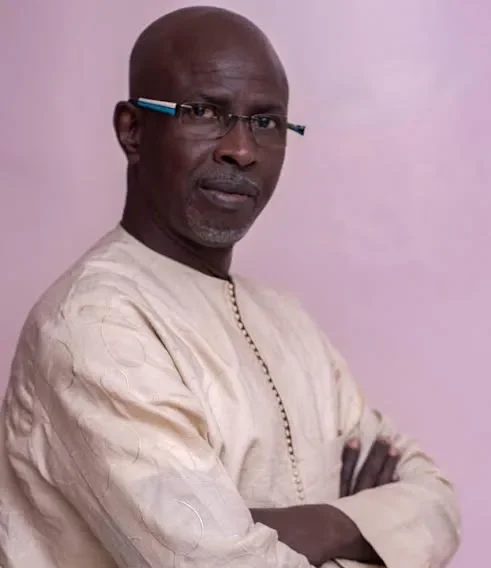
The Citizen Camp was designed to address the need for a more holistic education that goes beyond academic excellence. According to Professor Dah Dieng, coordinator of the camp, students often lack values such as respect for authority, respect for others, and a sense of community. The program seeks to bridge this gap by providing students with a unique learning experience that fosters personal growth, social responsibility, and civic engagement. By associating academic learning with military discipline and community service, the camp aims to produce well-rounded individuals who are equipped to make a positive impact in their communities.
The camp's curriculum includes a range of activities, from military training and sports to community service and cultural events. Students live in military-style accommodations and are supervised by defense and security forces. Despite initial challenges, students have responded positively to the program, demonstrating a strong commitment to learning and personal growth. Many students who were unable to register initially have expressed interest in joining the program, highlighting its appeal and relevance to young people.
One of the key features of the Citizen Camp is its focus on community service. Students participate in activities such as tree planting, blood donation, medical consultations, and waste management. These activities are designed to instill a sense of social responsibility and civic duty in students, teaching them the value of serving their community. By engaging in practical community service, students learn to apply theoretical knowledge in real-world contexts, developing essential life skills and values.
The camp also provides a platform for students to engage with institutions of the Republic, including the defense and security forces. This interaction is seen as an opportunity for students to learn from and with the forces, promoting mutual understanding and respect. By sharing values and experiences, students and defense personnel can build bridges and foster a sense of national unity and cohesion. The camp's interactive approach to learning has been praised by participants, who appreciate the opportunity to engage with experts and learn from their experiences.
According to Professor Dieng, the Citizen Camp has already shown promising results, with students demonstrating improved behavior, punctuality, and discipline. The program's success has sparked interest in its potential for replication and expansion to other universities. Plans are underway to refine and improve the program, with a view to making it a permanent feature of university life at the University Gaston Berger and beyond. The camp's impact is expected to be long-term, shaping the values and behaviors of a new generation of leaders and citizens.
As the first edition of the Citizen Camp comes to a close, participants and organizers alike are reflecting on its achievements and lessons learned. The program's emphasis on civic education, community service, and national unity has resonated with students and defense personnel, highlighting the potential for innovative partnerships and collaborations. As Senegal's university sector continues to evolve, initiatives like the Citizen Camp are likely to play an increasingly important role in shaping the country's future leaders and citizens.
Key points
- The Citizen Camp combines civic and patriotic education with military discipline, sports, and community activities to instill values of citizenship and social responsibility in young university students.