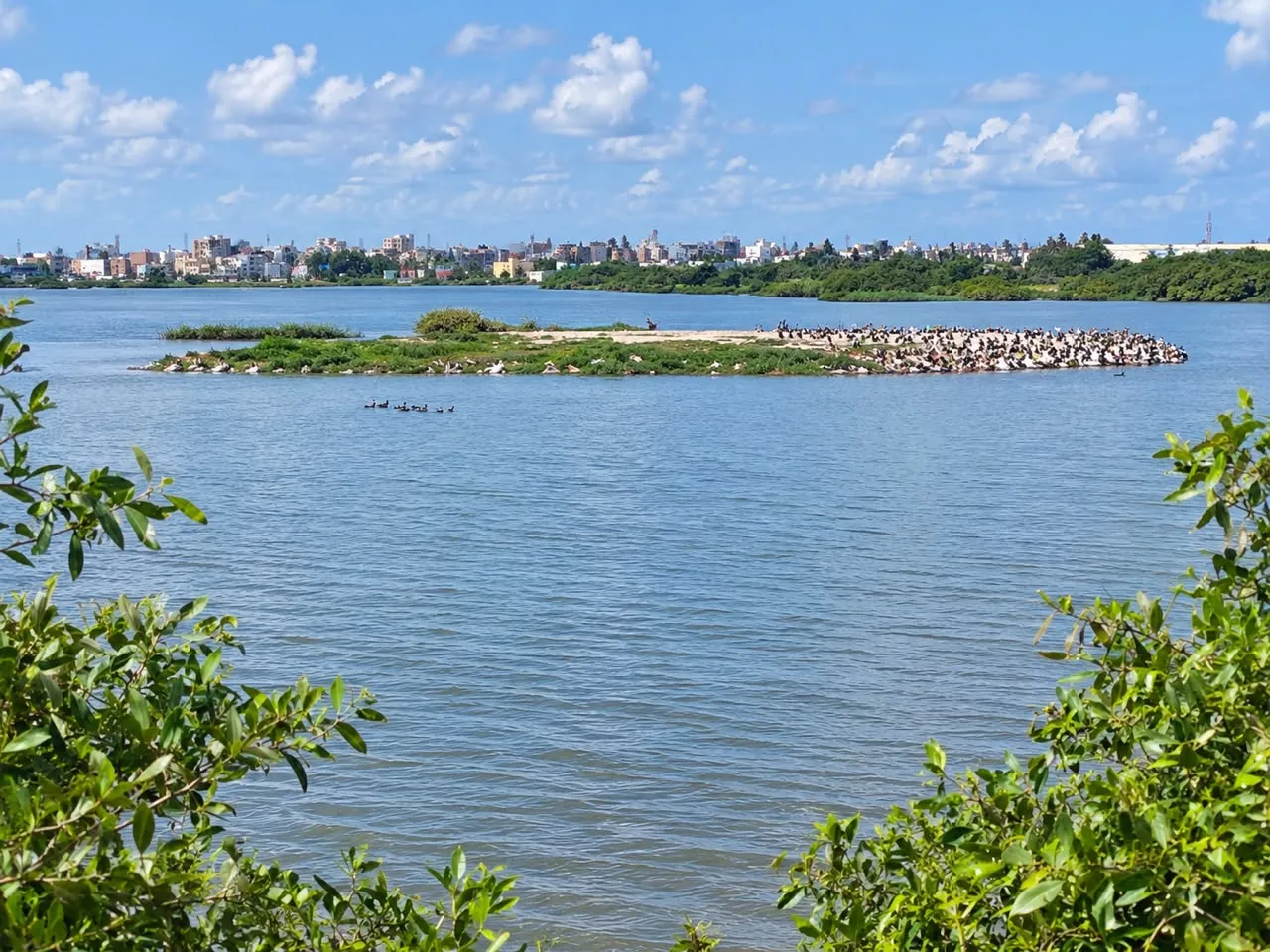
Located in the heart of Dakar, the Technopole reserve is an unexpected haven of biodiversity. The area, which comprises water bodies, agricultural spaces, and a variety of flora and fauna, has become a vital refuge for numerous species. The reserve's unique ecosystem is sustained by rainfall and a nearby water table, which feeds the six main lakes. This delicate balance supports a diverse range of plant and animal life.
The reserve's history dates back to before urbanization, when local populations, including the Lébou and Mandingue communities, practiced agriculture in the area. However, the devastating effects of the plague led to the displacement of these communities, and the area was eventually transformed into a natural reserve. Today, the reserve is home to a variety of species, including over 30 bird species that migrate to the area or reside there year-round.
The Technopole reserve is not only a sanctuary for biodiversity but also a source of livelihood for local communities. Many residents, including Pape Diagne, a 63-year-old market gardener, have been working the land for over 30 years. The reserve's fertile soil and favorable climate make it an ideal location for growing a range of crops, including salads, tomatoes, and aubergines. However, market gardeners face challenges, including declining yields and limited access to water.
In addition to market gardening, fishing is another important activity in the reserve. Victor, a fisherman, has been fishing in the reserve's lakes for years. He notes that the quality of the water has declined, and the number of fishermen has decreased over time. Despite these challenges, the reserve remains an essential source of income for many local residents.
The reserve's conservation efforts are led by Captain Didier Kabou, who emphasizes the importance of preserving the area's unique ecosystem. The reserve's management team works to maintain the balance between human activities and environmental protection. This includes monitoring water quality, controlling pollution, and promoting sustainable land use practices.
The Technopole reserve faces several challenges, including pollution, climate change, and urbanization. However, the reserve's resilience and adaptability have allowed it to thrive in the face of these challenges. As a vital component of Dakar's ecosystem, the reserve provides a range of ecosystem services, including water filtration, carbon sequestration, and habitat creation.
Efforts to protect and conserve the reserve are ongoing. The reserve's management team, in collaboration with local communities and conservation organizations, works to promote sustainable development and environmental protection. By supporting eco-friendly practices and preserving the reserve's natural resources, it is possible to ensure the long-term sustainability of this unique urban haven.
Key points
- The Technopole reserve in Pikine, Senegal, is a 650-hectare urban sanctuary that provides a refuge for biodiversity and a source of livelihood for local communities.
- The reserve's ecosystem is sustained by rainfall and a nearby water table, which feeds six main lakes and supports a diverse range of plant and animal life.
- The reserve faces several challenges, including pollution, climate change, and urbanization, but its resilience and adaptability have allowed it to thrive in the face of these challenges.