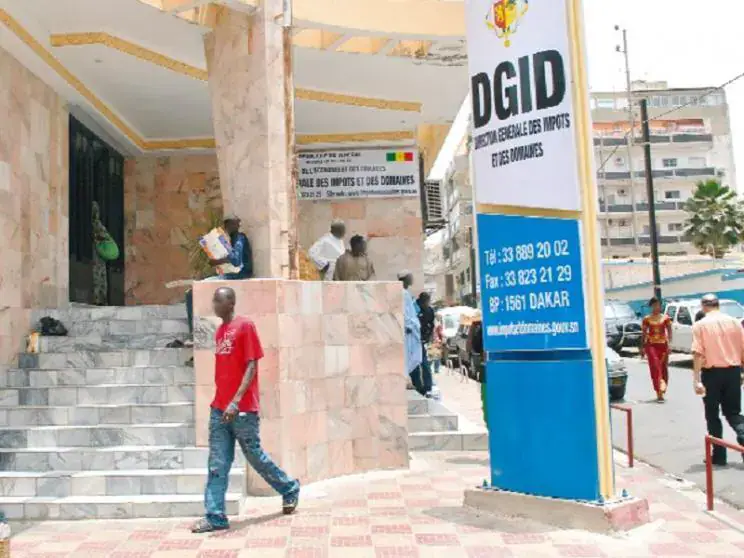
Unions representing tax and domain workers in Senegal have intensified their mobilization against a proposed reform that would create a new General Directorate for Cadastre and Land Affairs. On November 27, 2026, the STAF and SAID unions held an extraordinary general assembly and adopted a robust action plan to protest the plan, which they say would strip the General Directorate of Taxes and Domains (DGID) of its domain competencies.
The unions have decided to maintain pressure and are now considering all possible legal actions, including repeated total strikes. Badara GUEYE, a representative of the SAID union, outlined the strategy to the press. The adopted action plan involves all possible legal union actions, with no options ruled out. The unions have already begun implementing the plan, having filed a strike notice on November 25.
The strike notice was submitted to demand the suspension of the reforms and the opening of discussions with the administration. The two union organizations, STAF and SAID, denounce the unilateral decision, taken without prior consultation with social partners or concerned agents. They believe the planned dismantling of the DGID would weaken the institution and jeopardize the competencies of its agents in land matters.
According to Le Quotidien, the workers have decided to take a firm stance and are no longer excluding any action, including repeated total strikes, until their demands are fully met. The unions' move comes as the government pushes forward with its plans to create a new General Directorate for Cadastre and Land Affairs, which would oversee land-related issues.
The proposed reform has sparked concerns among tax and domain workers, who fear it would undermine their institution and expertise. The DGID plays a critical role in managing Senegal's tax and domain systems, and the unions argue that the reform would compromise its effectiveness. The situation remains tense as the unions prepare to take further action.
The SAID union's representative, Badara GUEYE, emphasized that the action plan is designed to push for the suspension of the reforms and to negotiate with the administration. The unions are demanding a more collaborative approach to any changes affecting the DGID and its agents. The government has not yet responded to the unions' demands.
The developments in Senegal's tax and domain sector have significant implications for the country's land management and revenue collection. The unions' actions may disrupt government operations and impact the economy if the strike plans are implemented. Key stakeholders, including the government and social partners, will be watching the situation closely as it unfolds.
Key points
- The Senegalese tax and domain unions have adopted a tough action plan in response to the proposed cadastre reform.
- The unions are demanding the suspension of the reforms and the opening of discussions with the administration.
- The planned reform has sparked concerns among tax and domain workers, who fear it would undermine their institution and expertise.
Reporting sources
- WalFadjri · WalFadjri