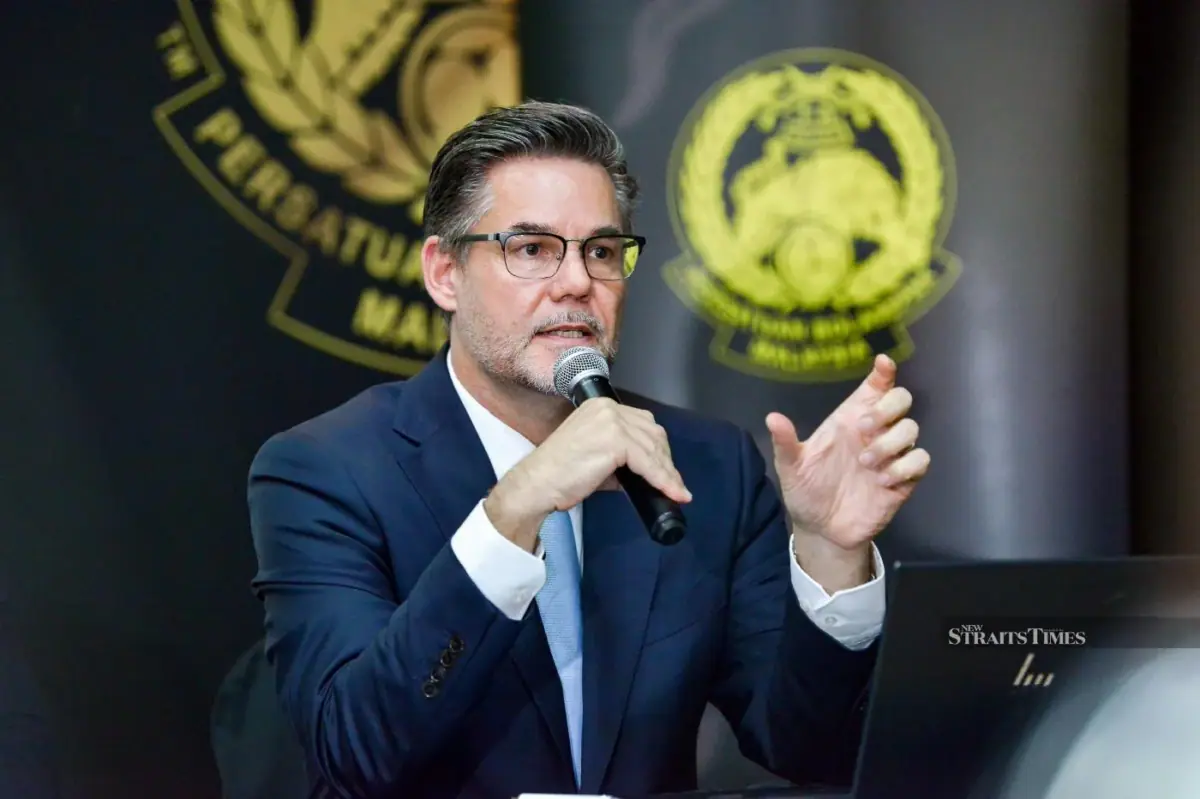
Me Serge Vittoz, a Swiss lawyer and long-time counsel to the Fédération sénégalaise de football (FSF), has shared his insights on the recent Tribunal arbitral du sport (TAS) decision that awarded Senegal the title of African champion, defeating Morocco. In an interview, Vittoz highlighted the key legal foundations that led to this success and discussed potential future steps. He expressed satisfaction with the outcome, calling it a "deliverance" for the lawyers and, more importantly, for the FSF.
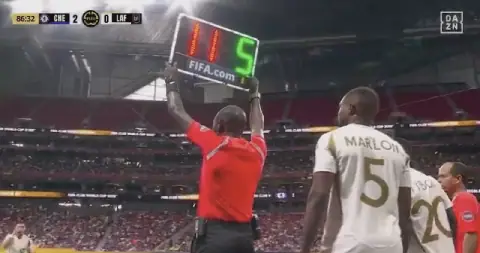
According to Vittoz, the Senegalese defense team approached the outcome with confidence after the October 8 hearing. The central argument presented by the Senegalese camp relied on Law 5 of the Laws of the Game, which establishes the sovereign authority of the referee on the field. Vittoz emphasized that the referee's decision to restart the final and complete it was a factual decision that fell outside the scope of any subsequent jurisdictional review.
Vittoz addressed the Moroccan argument based on a literal reading of articles 82 and 84 of the CAN organization regulations. He noted that these provisions apply to matches that have not started or have not been completed, particularly in cases of definitive abandonment of the field. However, since the final was replayed and completed, Vittoz argued that these articles were inapplicable. He drew a clear distinction with the 2016 Africa-Senegal case, where the match was replayed after the Ghanaian referee Joseph Lamptey was suspended for life due to corruption.
Vittoz stressed that a result obtained on the field cannot be canceled without exceptional reasons, such as proven corruption. He differentiated between disciplinary consequences and the validity of the sporting result. Although the CAF imposed temporary sanctions on Senegalese players withdrawing to the locker room, these measures did not prevent the match from reaching its conclusion. Vittoz conceded that Senegal could only have lost if Brahim Diaz had converted his penalty on the field or if the TAS had adopted a strict interpretation of articles 82 and 84.
Regarding a potential appeal to the Swiss Federal Tribunal by the Moroccan party, Vittoz noted that this avenue is strictly limited to specific procedural complaints without re-examining the substance of the dispute. This, according to him, leaves Morocco with "very limited" chances of success. Vittoz's analysis suggests that the TAS decision is on solid ground, and Senegal's title is unlikely to be overturned.
The TAS decision has significant implications for Senegalese football, marking a major victory for the FSF. Vittoz's comments provide insight into the legal strategies employed by the Senegalese team and the weaknesses of the Moroccan argument. As the football community reacts to the news, Vittoz's assessment of the situation offers a nuanced understanding of the complex interplay between sports regulations and legal procedures.
The outcome of this case highlights the critical role of legal expertise in international sports disputes. As sports organizations and national federations navigate complex regulatory frameworks, the expertise of lawyers like Me Serge Vittoz will continue to be essential in defending their interests. The Senegalese team's success in this case demonstrates the importance of sound legal counsel in achieving favorable outcomes in high-stakes competitions.
Key points
- Me Serge Vittoz sees "very limited" chances of Morocco succeeding in an appeal to the Swiss Federal Tribunal.
Reporting sources
- WalFadjri · WalFadjri