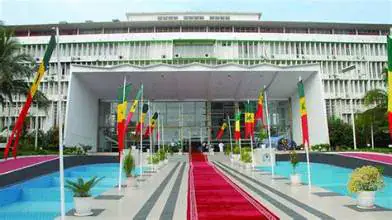
The Senegalese National Assembly's rejection of the 2026 budget revision on November 3 has raised questions about the country's ability to manage its finances effectively. The rejection, which was passed with 109 votes against 20 and three abstentions, has been criticized for lacking a thorough debate on the bill's content. The Assembly's decision to interrupt the examination of the bill without a general debate has been seen as a missed opportunity for the country's lawmakers to engage in a meaningful discussion about the nation's economic and social future.
The budget revision, which was aimed at making adjustments to the state's revenues and expenditures, was rejected by the commission of finance on two previous occasions. Despite the government's efforts to address the concerns of lawmakers, the rejection was maintained. The Ministry of Economy, Finance, and Planning had provided detailed information on the observations of the commission, including those related to energy subsidies, social spending, and public investments. However, lawmakers raised concerns about the documentation related to the execution of investments, debt, and certain audits.
The rejection of the budget revision has sparked controversy, with accusations of document alteration and a lack of transparency. The Minister of Finance, Cheikh Diba, contested certain elements of the commission's report, while lawmakers alleged that the report may have been altered. These accusations have been deemed serious enough to require explanations, and the publication of the accounts, amendments, and recordings of the commission's work has been called for.
The absence of the President of the National Assembly, Ousmane Sonko, during the decisive session has also raised questions. The first vice-president, Malick Ndiaye, presided over the session, but the absence of the president has been seen as a missed opportunity for the institution to demonstrate its leadership. Sonko had previously presided over the work that led to the referral of the bill to the commission, and his return to the plenary session was seen as an important moment to guarantee the continuity of institutional dialogue.
The rationalization of agencies and parapublic structures has also been highlighted as an area that requires parliamentary evaluation. The government had announced plans to reduce the state's expenditure and rationalize the parapublic sector, with estimated savings of 55 billion CFA francs over three years. However, lawmakers have failed to engage in a thorough discussion about the results of these efforts and the impact on public services and human resources.
The rejection of the budget revision has been seen as a missed opportunity for the country's lawmakers to engage in a meaningful discussion about the nation's economic and social future. The National Assembly's decision to interrupt the examination of the bill without a general debate has raised concerns about the country's ability to manage its finances effectively. The controversy surrounding the rejection of the budget revision has highlighted the need for greater transparency and accountability in the country's governance.
The Senegalese government's efforts to reduce the state's expenditure and rationalize the parapublic sector have been hampered by the rejection of the budget revision. The country's lawmakers have failed to engage in a thorough discussion about the results of these efforts and the impact on public services and human resources. The rejection of the budget revision has raised concerns about the country's ability to manage its finances effectively and has highlighted the need for greater transparency and accountability in the country's governance.
Key points
- The Senegalese National Assembly's rejection of the 2026 budget revision has sparked controversy and raised concerns about the country's economic and social future.
- The rejection of the budget revision has been criticized for lacking a thorough debate on the bill's content.
- The controversy surrounding the rejection of the budget revision has highlighted the need for greater transparency and accountability in the country's governance.