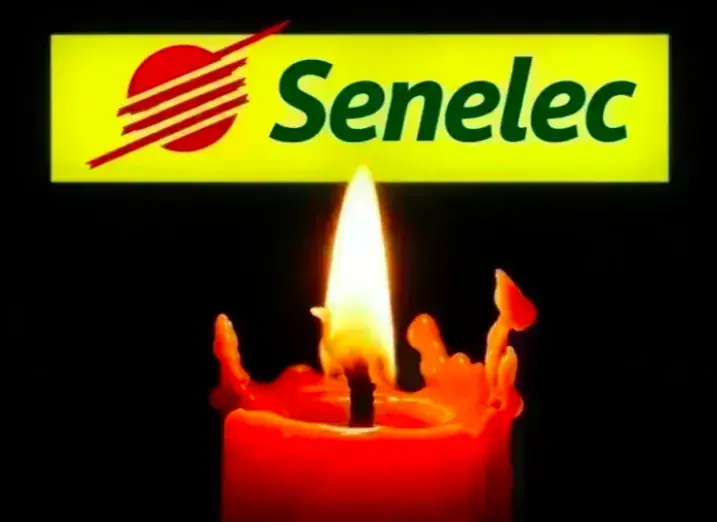
Senegal is experiencing a new wave of recurring power outages that have left entire neighborhoods without electricity, significantly disrupting household life and highlighting the country's persistent fragility in its electrical system. The outages have been ongoing for several weeks, affecting various aspects of daily life.
The Senegalese group Noo Lank is not satisfied with the technical explanations provided by the national electricity company, SENELEC, and emphasizes that the continuous supply of electricity is not a favor but a public service obligation that the state is primarily responsible for ensuring.
Beyond the inconveniences caused to households, these power cuts have a real economic cost, disorganizing the activities of small and medium-sized enterprises, shops, workshops, services, and production units, leading to losses in turnover, production stoppages, and decreased productivity.
The Senegalese authorities attribute the outages to a combination of technical failures, international geopolitical tensions, and exceptional demand due to the heat. While these factors may explain some short-term difficulties, they do not exempt the state from examining the planning, anticipation, and sustainable securitization of electricity supply.
The West African Energy (WAE) plant, expected to significantly contribute to the country's installed power, continues to operate on diesel due to the lack of available gas. Meanwhile, the Yaakaar-Teranga project, presented as a pillar of the "gas-to-power" strategy, has seen new developments, but the production of gas for the national market has not yet secured a sustainable supply for gas-fired power plants.
Noo Lank is calling for a review of the institutional positioning of the Energy Sector Support Fund (FSE), which currently falls under the Ministry of Finance and Budget. The group believes the FSE should be placed under the Ministry of Energy to strengthen coherence between energy policy, needs planning, supply securitization, and sector support mechanisms.
Noo Lank also demands that the state explain the reasons for delays in implementing the structural reform of the electricity sector, as mandated by law, and present a precise and binding schedule for the effective implementation of this reform, including the creation of a holding company and its subsidiaries dedicated to electricity production, transport, and distribution.
Key points
- Noo Lank demands accountability and reforms in Senegal's energy governance amid recurring power outages.
- The group's demands include a review of the Energy Sector Support Fund's institutional positioning and a binding schedule for the electricity sector's structural reform.
- The recurring outages have significant economic costs, affecting households, small and medium-sized enterprises, and the national economy.