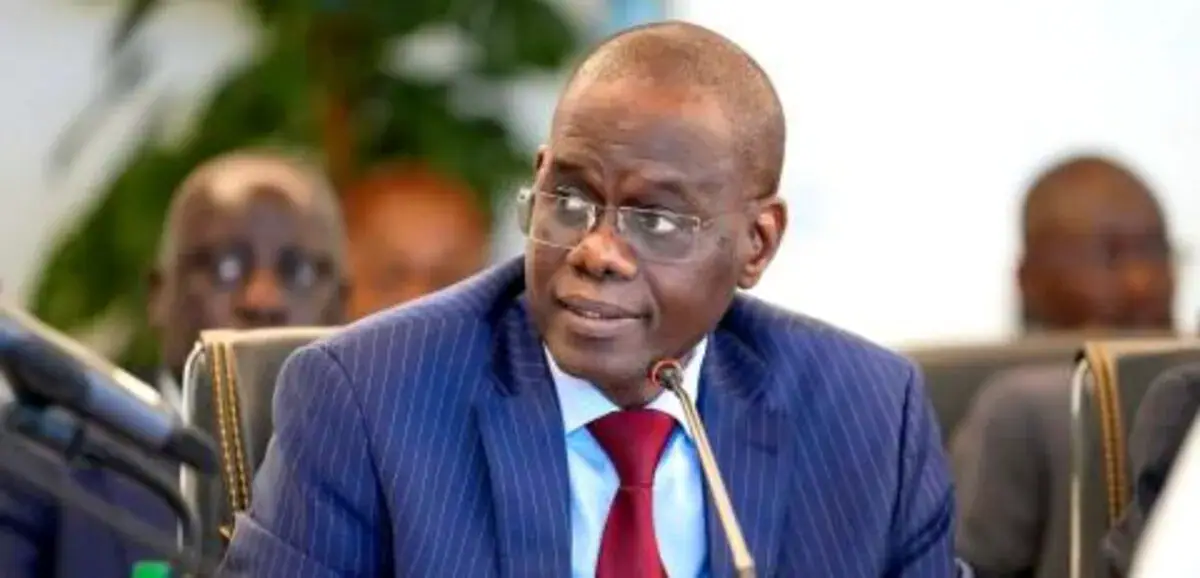
Senegalese Prime Minister Ahmadou Al Aminou Mohamed Lô has appealed to the opposition to adopt a revised budget, which is essential for advancing a $2.2 billion financing agreement with the International Monetary Fund (IMF). The opposition party, Pastef, which holds 130 out of 165 parliamentary seats, rejected the budget revision proposal in committee, citing disagreements over budget allocations, financing modalities, and guarantees provided to Parliament.
Prime Minister Lô has expressed willingness to engage in dialogue with Pastef leader Ousmane Sonko, who is also the President of the National Assembly. He emphasized that the executive has means of dialogue and constitutional solutions to overcome the impasse. The Prime Minister's call for dialogue comes ahead of the presentation of the revised budget bill to the National Assembly.
The adoption of the revised budget is crucial for Senegal, which is facing a severe economic crisis and a debt estimated at 132% of GDP by the end of 2024. The country concluded a financing agreement with the IMF on September 1, but the program has not yet been approved by the IMF's board of directors, pending several conditions.
The IMF agreement is seen as critical for Senegal to demonstrate its commitment to correcting weaknesses in public financial management and reassuring its financial partners. The Prime Minister stressed that the budget revision aims to pave the way for the IMF program and ensure the country's financial stability.
The confrontation between the government and opposition occurs amid a challenging social climate, with the population facing high living costs, youth unemployment, and a persistent economic crisis. A three-day general strike affected several sectors last week, and Senegal is set to host the Youth Olympic Games starting Saturday.
Prime Minister Lô assured that the country remains on a trajectory of stability and public financial redress, committed to respecting the calendar set for advancing the IMF dossier. The Senegalese government aims to avoid a parliamentary deadlock and ensure the smooth implementation of the IMF program.
The revised budget is expected to address key concerns raised by the opposition and pave the way for the IMF program's approval. Senegal's economic challenges require swift and effective solutions, and the government is under pressure to deliver results.
Key points
- The adoption of the revised budget is crucial for advancing a $2.2 billion financing agreement with the IMF.
- The opposition party, Pastef, rejected the budget revision proposal in committee, citing disagreements over budget allocations and financing modalities.
- The Senegalese government aims to avoid a parliamentary deadlock and ensure the smooth implementation of the IMF program.