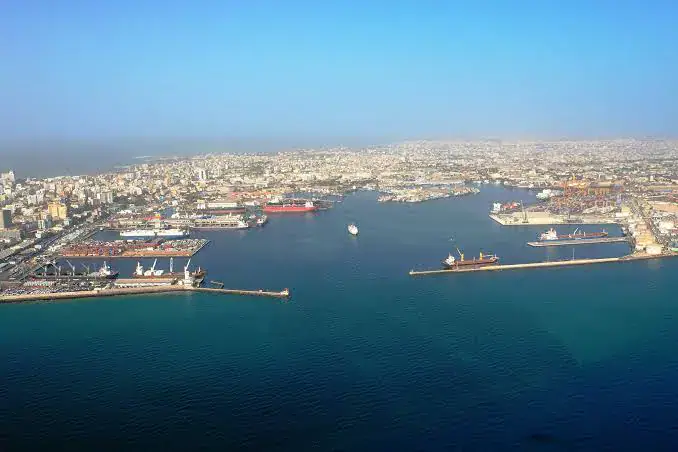
On November 25, 2026, Senegal's Prime Minister Ahmadou Alhaminou Lô emphasized the need for increased transparency and performance in the country's ports. He outlined five key requirements to achieve this goal: speed, efficiency, transparency, safety, and security. These requirements aim to enhance the competitiveness of Senegal's port infrastructure and solidify its position as a leading logistics hub in West Africa.
The Prime Minister's call for improvement comes as maritime companies express concerns about certain practices and costs associated with operations at the Port autonome de Dakar (PAD). An independent survey conducted by the Maritime Anti-Corruption Network (MACN) found that 41% of companies operating in the port have been fined over $20,000, which is approximately 12 million CFA francs. These financial penalties impact operational costs and have led 35% of companies to consider discontinuing their activities in Senegal.
The MACN survey also revealed that 41% of companies are seeking greater predictability in procedures. In response, Prime Minister Lô stressed the importance of making port procedures accessible, standardized, predictable, and equitable. He advocated for the full digitalization of port and customs operations, accompanied by better interconnection of systems. The Prime Minister noted that reducing physical procedures is crucial in limiting the risk of integrity breaches.
The digitalization of port operations is a key aspect of the Prime Minister's plan to improve efficiency and transparency. He stated that "where there is paper, there is risk." The Prime Minister also announced plans to strengthen internal controls and establish a risk mapping system. He emphasized that logistics chain disruptions can result in additional costs that are ultimately passed on to consumers.
Doune Pathé Mbengue, the Director-General of the Port autonome de Dakar, acknowledged the need for greater visibility on formalities, deadlines, and costs. He stated that unclear procedures can undermine trust in the entire port chain. The PAD aims to improve coordination among different administrations and is exploring projects such as a single port window, revised regulations, and an integrated platform for formalities.
The MACN's representative in Senegal, Mame Adama Guèye, called for constructive dialogue between stakeholders to adopt harmonized and transparent procedures. He cited Nigeria's experience, where standardized operational procedures have improved port practices and enhanced trust from the international maritime community. The MACN is willing to support Senegalese authorities in identifying and implementing international best practices.
The modernization of Senegal's ports, including future infrastructure projects in Sendou and Ndayane, depends on effective governance and quality services. The Prime Minister's emphasis on transparency and performance aims to attract new traffic and strengthen the competitiveness of the national port sector. The success of these efforts will be crucial in consolidating Senegal's position as a leading logistics and commercial hub in West Africa.
Key points
- The Prime Minister's five key requirements for improving port performance are speed, efficiency, transparency, safety, and security.