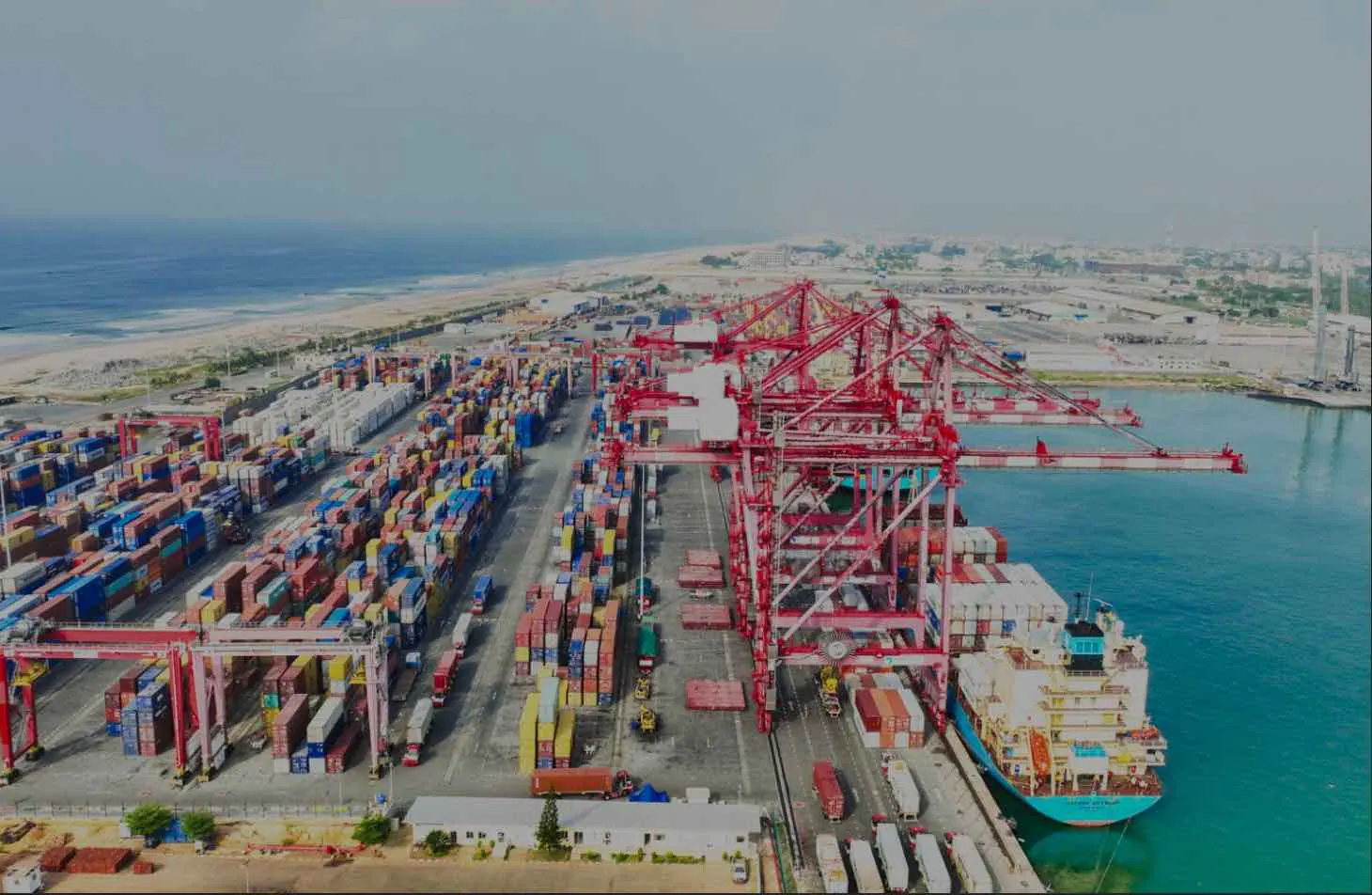
The Port of Los Angeles recently reported blocking over 120 million cyberattacks in August 2026, including intrusions, network exploitation, and malware. This significant threat highlights the importance of robust cybersecurity measures for ports worldwide, including Senegal's Port of Dakar. As ports modernize and automate operations, cybersecurity becomes crucial for their performance, continuity, and competitiveness. The Port of Dakar, a vital infrastructure for Senegal's economy, must prioritize cybersecurity to mitigate potential risks.
The Port of Dakar is a critical infrastructure for Senegal, serving as a hub for imports, exports, and transit trade. The port's operations involve numerous stakeholders, including authorities, customs, shipping lines, and logistics providers. With increasing reliance on digital systems, the port's cybersecurity posture is essential to prevent disruptions to the supply chain. A cyberattack could have far-reaching consequences, including delays in cargo delivery, customs clearance issues, and financial losses for businesses.
A cyberattack on the Port of Dakar could have significant economic implications for Senegal. The port handles a substantial volume of essential goods, equipment, and production inputs, and any disruption could impact the country's economy. Cybersecurity risks must be viewed as operational, logistical, financial, and reputational risks that can affect not only the port but also its partners and stakeholders. It is essential to adopt a comprehensive approach to cybersecurity that involves all stakeholders.
The vulnerability to cyber threats does not necessarily come from the port's main system but can enter through third-party providers, partners, or compromised user accounts. Therefore, the cybersecurity of the Port of Dakar and its ecosystem cannot be solely the responsibility of the IT department. It requires a collaborative effort from senior management, operations teams, and partners to ensure the port's cyber resilience. A governance framework for cyber resilience is necessary to mitigate risks.
To enhance cybersecurity, the Port of Dakar should prioritize several key areas, including identifying critical systems, protecting privileged accounts and remote access, and segmenting administrative and operational networks. Regular monitoring, evaluation of critical providers and suppliers, and testing of continuity and crisis management plans are also essential. Developing local cybersecurity expertise in the maritime sector is crucial for effective threat detection and response.
The Senegalese government's ambition to establish the country as a regional logistics hub requires modern, efficient, and reliable infrastructure. This includes protecting digital infrastructure supporting maritime trade with the same level of attention as physical assets. The example of the Port of Los Angeles demonstrates that cyberattacks are now massive and persistent, and it is crucial for the Port of Dakar to be prepared to detect and respond to threats.
In conclusion, the Port of Dakar must prioritize cybersecurity to ensure the continuity of its operations and protect its reputation. The next crisis in the supply chain could originate from a cyberattack, and it is essential to consider cyber resilience as a strategic investment in Senegal's economic security. By adopting a comprehensive approach to cybersecurity, the Port of Dakar can mitigate risks and maintain its competitiveness in the region.
Key points
- The Port of Dakar must prioritize cybersecurity to prevent disruptions to the supply chain and protect its reputation.
- A comprehensive approach to cybersecurity is necessary, involving all stakeholders, including senior management, operations teams, and partners.
- Developing local cybersecurity expertise in the maritime sector is crucial for effective threat detection and response.