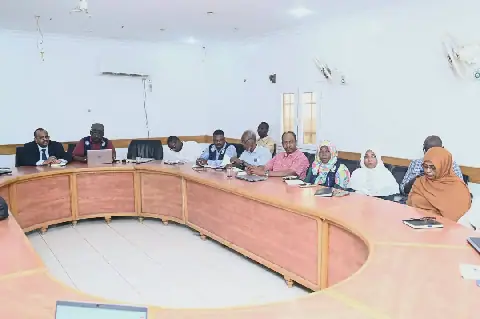
The Senegalese parliament rejected the revised finance bill on November 3, with 109 lawmakers voting in favor of a preliminary question that effectively ended the bill's examination. The bill's rejection marks a worrying development in the relationship between the government and the parliamentary majority. President Bassirou Diomaye Faye and Prime Minister Ousmane Sonko have been at odds over the bill, with the latter's party, Pastef, expressing concerns about the budget's transparency.
The rejection of the bill has raised concerns about Senegal's financial stability, particularly in light of the country's efforts to secure funding from the International Monetary Fund. The government has been under pressure to demonstrate its ability to manage the country's finances effectively, and the bill's rejection may complicate these efforts. The ministry of finance has stated that it has provided the necessary information to lawmakers, but Pastef lawmakers have expressed skepticism about the budget's projections.
One of the key areas of contention is the proposed increase in energy subsidies and the reduction of investment credits. The government has argued that these measures are necessary to protect households from rising energy costs, but lawmakers have expressed concerns about the impact on the country's long-term economic prospects. The bill's rejection has also raised concerns about the potential impact on businesses, jobs, and public services.
The Senegalese government has warned that a prolonged delay in approving the bill could exacerbate the country's treasury tensions and make it more difficult to mobilize financing. The country's economic situation is already challenging, with high debt levels and limited budgetary flexibility. The rejection of the bill has highlighted the need for greater transparency and accountability in the management of public finances.
In response to the bill's rejection, President Diomaye Faye has called for calm and urged lawmakers to work towards finding a solution. He has emphasized the need for a constructive dialogue between the government and the parliamentary majority, with a focus on finding compromises that prioritize the country's economic stability and the well-being of its citizens.
The rejection of the revised finance bill has significant implications for Senegal's economic prospects, and it is unclear how the government will respond to the parliamentary majority's concerns. The country's leaders will need to work together to find a solution that balances the need for fiscal responsibility with the need to protect households and businesses from the impacts of economic instability.
The situation highlights the challenges facing Senegal's leaders as they seek to manage the country's economic challenges while maintaining a fragile balance between competing interests. The international community will be watching closely to see how the situation unfolds, and the implications for the country's long-term economic prospects are significant.
Key points
- The Senegalese parliament's rejection of the revised finance bill has raised concerns about the country's financial stability and its ability to secure funding from the International Monetary Fund.
- The bill's rejection has highlighted the need for greater transparency and accountability in the management of public finances in Senegal.
- The situation has significant implications for Senegal's economic prospects, and it is unclear how the government will respond to the parliamentary majority's concerns.