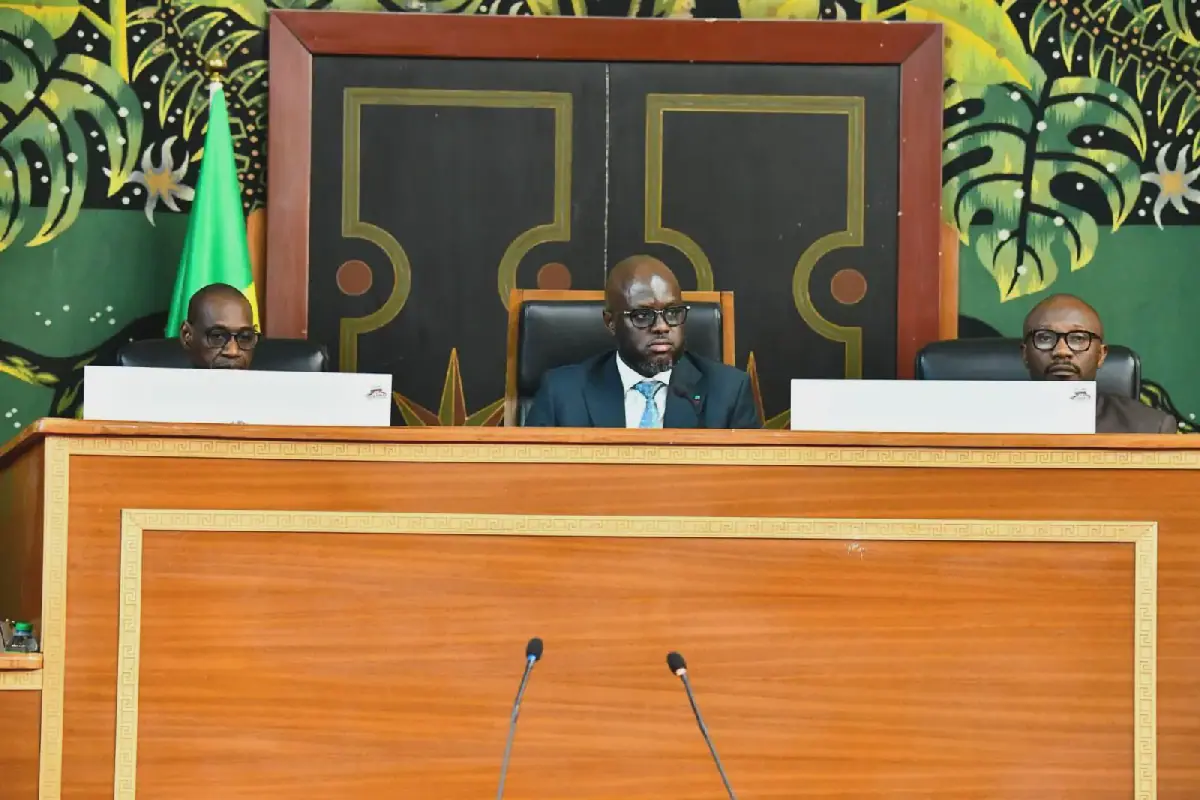
The Senegalese parliament has rejected the government's proposed amendments and the 2026 supplementary budget bill, citing several concerns and requesting more detailed information. The rejection was announced on November 3, 2026, during a plenary session, following a report by the finance and budget control commission. The commission highlighted seven key areas of disagreement with the government's proposals.
According to the commission's report, the lawmakers expressed concerns over the budget deficit, which stands at 1,735.2 billion FCFA, or 7.6% of the country's GDP. They questioned the accuracy of the government's forecasts and requested more clarity on the reduction of public investment credits, which was cut by approximately 555 billion FCFA. The Plan for Economic and Social Recovery (PRES) also raised concerns, with projected revenues reduced from 762.6 billion FCFA to 311 billion FCFA, with only 174 billion FCFA mobilized by the end of September.
The parliamentarians also sought more information on the energy sector, where 790.3 billion FCFA in subsidies are planned, compared to 250 billion FCFA initially allocated to the Energy Sector Support Fund. Additionally, they expressed concerns over public debt and payment arrears, with 1,956.3 billion FCFA in arrears still to be addressed, including 988.5 billion FCFA in irregular or incomplete files requiring verification.
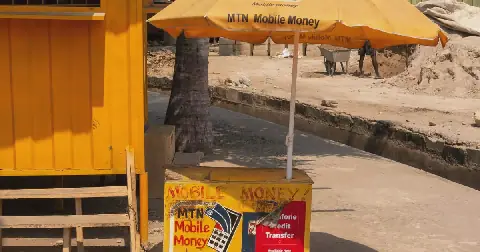
The commission's report also noted concerns over social protection, with 70 billion FCFA allocated for family security grants in the 2026 supplementary budget. Lawmakers questioned the effectiveness, targeting, and financing of these grants. Furthermore, they raised concerns over taxation and financing, particularly a proposed contribution of 8-10% on the turnover of money transfer operators and the reallocation of 120 billion FCFA in funding from four projects to urgent expenses.
The parliamentarians regretted that the government's responses had not led to the presentation of amendments to the supplementary budget bill. They believed that, despite the clarifications provided, the bill's main provisions remained unchanged, and certain fundamental concerns had not been fully addressed. The lack of essential documents, such as the Forvis Mazars report and the report on non-financial debt, was also criticized.
The commission's report emphasized the need to strengthen the legal framework, transparency, and control mechanisms for special funds, in line with good governance and public accountability requirements. The parliamentarians reiterated their willingness to continue discussions with the government before rendering the floor to the President of the Commission.
The rejection of the supplementary budget bill and the government's amendments reflects the parliament's determination to scrutinize the country's financial management. The government will need to address the concerns raised by the lawmakers and provide more detailed information to move forward with the 2026 supplementary budget.
Key points
- The Senegalese parliament rejects the government's proposed amendments and 2026 supplementary budget due to concerns over budget deficit, public investment, and social protection.