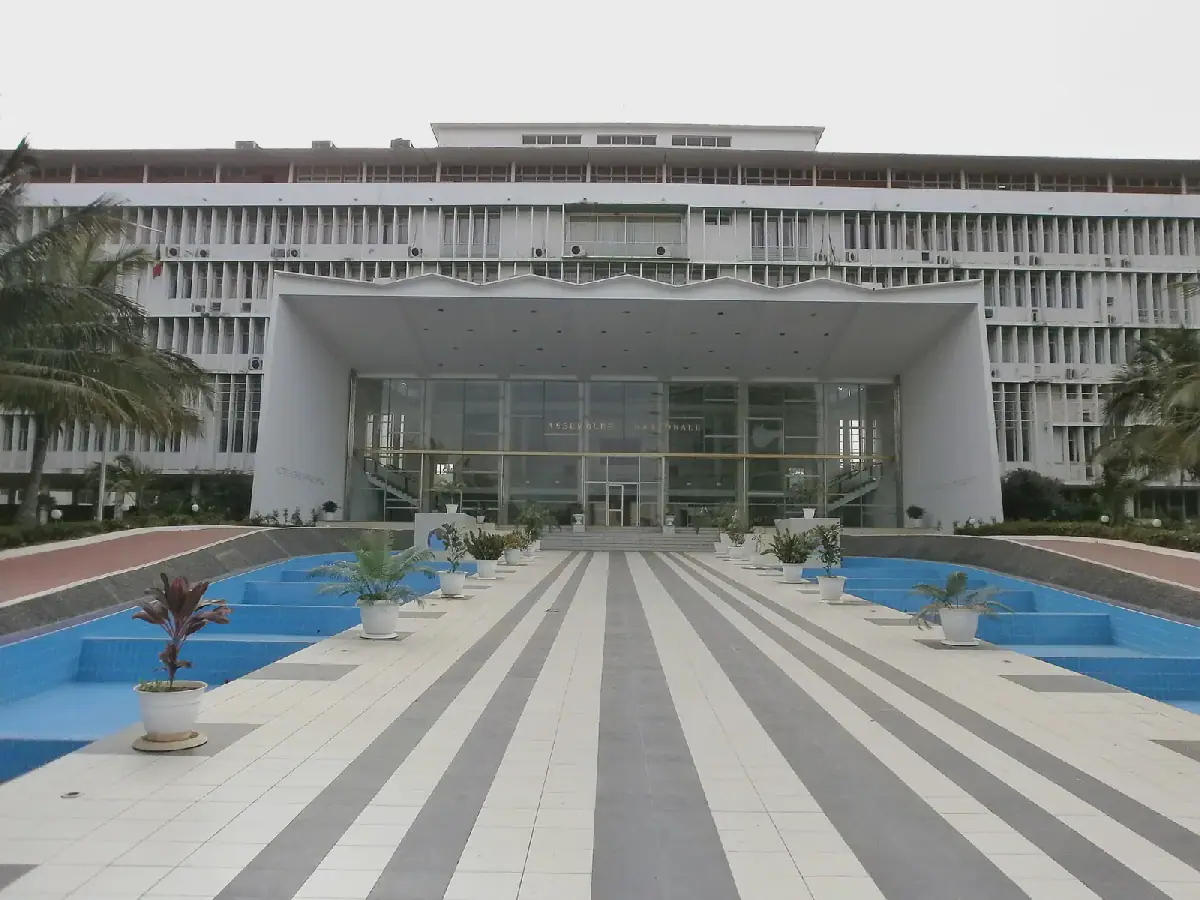
The Senegalese parliament has rejected the 2026 budget revision, marking a significant event in the country's politics and budget. The rejection by the Finance Committee and the ruling party, Pastef, has raised questions about the coherence of the government's economic policy and its ability to work with its parliamentary majority. According to reports, the rejection was due to disagreements over budget allocations, public investments, social spending, and energy subsidies.
The rejection of the budget revision has sparked concerns about the government's ability to implement its economic policy effectively. In a parliamentary system, it is expected that the government and its parliamentary majority work closely together on budgetary matters. However, the rejection has revealed a rift between the government and its parliamentary majority, with some questioning who really defines the country's economic orientations.
The disagreement between the government and Pastef has raised questions about the party's internal dynamics. While it is unclear whether the rejection reflects a deeper conflict between the party's leadership and the government, it has highlighted the tensions within the ruling coalition. According to experts, the rejection may be seen as an exercise of parliamentary control, with lawmakers seeking to scrutinize the government's budgetary decisions.
The rejection of the budget revision has also highlighted the importance of parliamentary oversight in Senegal's democracy. According to the country's constitution, lawmakers have the right to scrutinize and approve or reject budgetary decisions. In this case, the Pastef lawmakers have demanded more information on budget projections, financial commitments, and audit reports related to the country's debt.
The economic implications of the rejection are significant, with the government facing pressure to revise its budget in a context of financial constraints. The rejection has also raised concerns about the impact on public investments and social spending. According to reports, the government had proposed reductions in certain expenditures, which were contested by Pastef lawmakers.
The rejection of the budget revision has sparked a debate about the role of the parliamentary majority in Senegal's politics. While some have argued that the majority should automatically support the government's budgetary decisions, others have emphasized the importance of parliamentary oversight and scrutiny. According to experts, the rejection reflects a healthy debate about the country's economic priorities and budgetary allocations.
The fate of the 2026 budget revision remains uncertain, with the government facing pressure to find a compromise with its parliamentary majority. According to reports, the government may need to revise its budget and submit it to parliament for approval. The rejection has also highlighted the need for greater transparency and dialogue between the government and its parliamentary majority on budgetary matters.
Key points
- The Senegalese parliament's rejection of the 2026 budget revision reflects a deeper debate about the country's economic priorities and budgetary allocations.
- The rejection has highlighted the tensions within the ruling coalition and the importance of parliamentary oversight in Senegal's democracy.
- The fate of the 2026 budget revision remains uncertain, with the government facing pressure to find a compromise with its parliamentary majority.