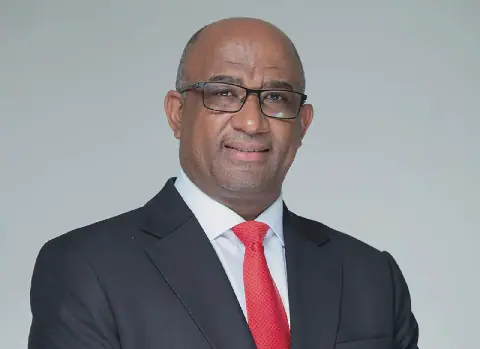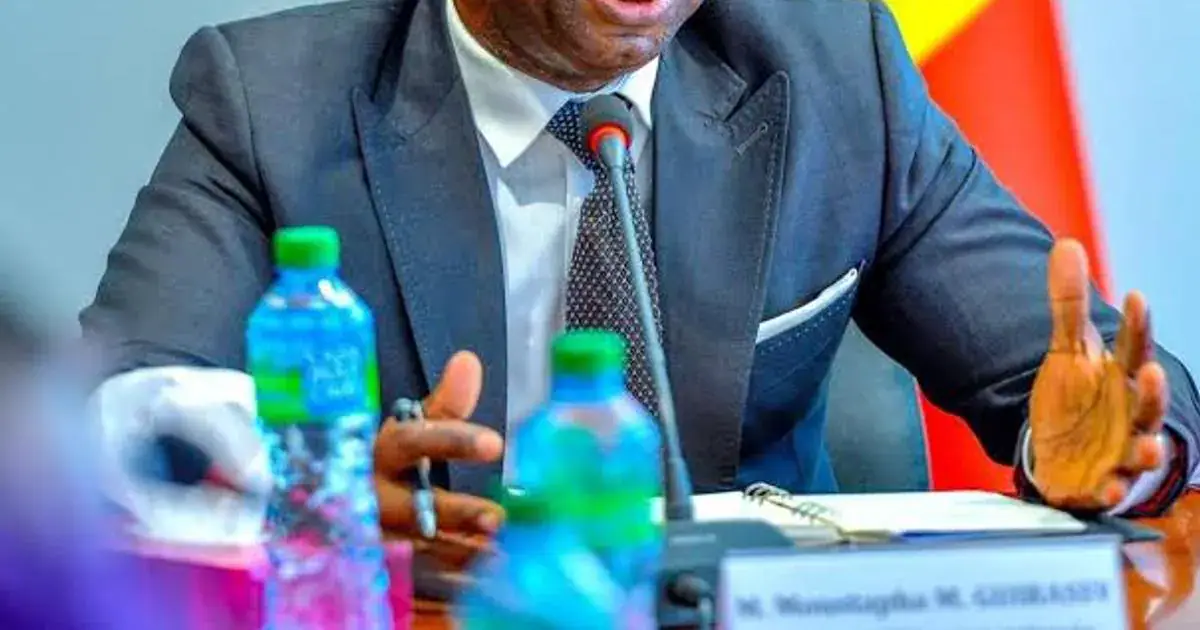
The Senegalese National Assembly has rejected the 2027 budget for the Ministry of National Education, led by Minister Moustapha Mamba Guirassy. The budget, set at over 980 billion CFA francs in payment credits, faced criticism from parliamentarians who highlighted inconsistencies in financial forecasts and a lack of budgetary sincerity. This development comes as the country aims to revamp its education system.
The proposed 2027 budget for the Ministry of National Education stands at 980,813,105,069 CFA francs in payment credits and 1,054,459,900,879 CFA francs in commitment authorizations. This represents a decrease of 9,937,675,206 CFA francs, or approximately 1%, from the 2026 exercise, which had payment credits of 990,750,780,275 CFA francs. Minister Guirassy emphasized the human dimension of education policies, stating that behind programs, infrastructure, and statistics lies the reality of the Senegalese child.
Discussions between Minister Guirassy and parliamentarians focused on necessary reforms to improve the Senegalese education system. Several deputies stressed the need to strengthen teacher participation in decision-making processes and establish mechanisms for better sector organization. Proposed measures included adopting a school map law and creating a permanent consultation framework between the ministry and local authorities. These suggestions aim to enhance education governance and adapt school offerings to local realities.
The rejection of the budget was largely due to concerns over inconsistencies between the initial finance law and the rectified finance law, questioning the coherence of presented forecasts. Parliamentarians criticized the lack of budgetary sincerity, expressing concerns about the readability and reliability of submitted figures. The Commission of Finance and Budgetary Control, expanded to include the Commission of Education, Youth, Sports, and Leisure, rejected the 2027 budget for the Ministry of National Education.
Minister Guirassy's efforts to revamp the education system are crucial for Senegal's development. The rejection of the budget highlights the challenges faced by the government in implementing reforms. The Commission's decision underscores the need for more transparent and coherent budget planning.
The Senegalese government faces pressure to address the concerns of parliamentarians and ensure that the education sector receives adequate funding. The rejection of the budget may impact the implementation of education reforms and the overall quality of education in Senegal.
The National Assembly's decision to reject the budget sends a strong message about the need for transparency and accountability in budget planning. The government must now revisit the budget and address the concerns raised by parliamentarians to ensure that the education sector receives the necessary funding.
Key points
- The Senegalese National Assembly rejected the 2027 education budget due to inconsistencies and lack of transparency.
- The budget proposed 980 billion CFA francs in payment credits, a decrease from 2026.
- The rejection highlights challenges in implementing education reforms in Senegal.