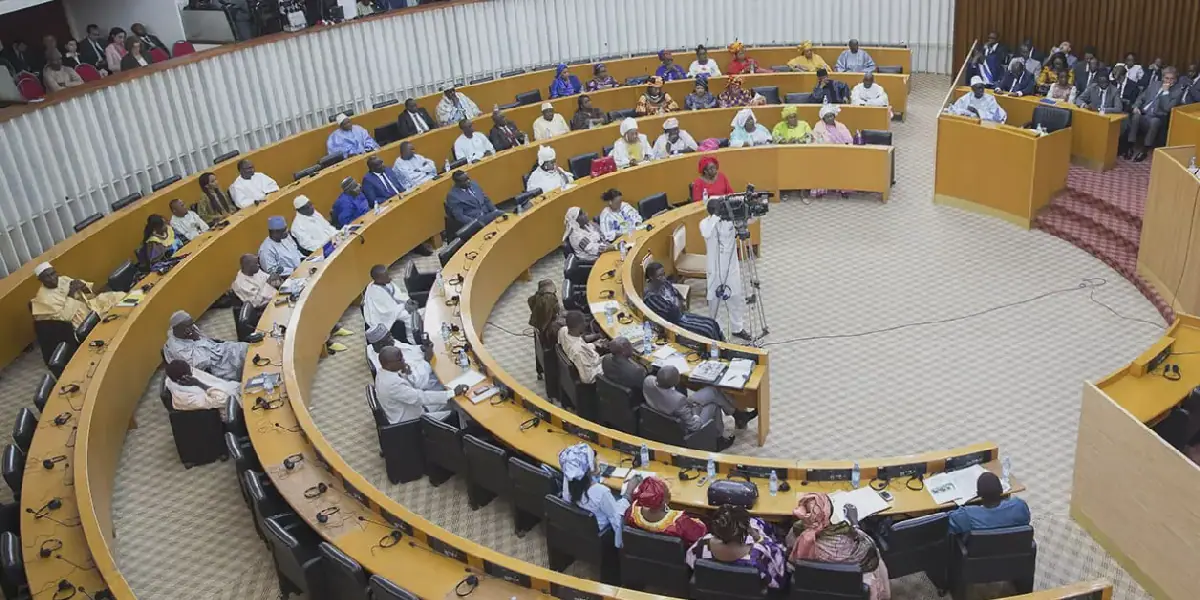
The Senegalese National Assembly has announced that it will convene in plenary session on November 3, 2026, at 10:00 AM. The session will focus on the examination of the draft law n°40/2026, which pertains to the Revised Budget Law (LFR) for the year 2026. This development marks a significant step in the parliamentary process, as the Assembly will scrutinize the government's budget proposal.
The Revised Budget Law for 2026 will be presented to the National Assembly by the Minister of Economy, Finance, and Planning. This presentation is a crucial part of the budgetary process, as it allows the minister to outline the government's fiscal plans and policies for the upcoming year. Following the presentation, lawmakers will engage in debates and discussions on the proposed budget.
The National Assembly's plenary session on November 3 will be a critical event in Senegal's budgetary calendar. The Assembly's examination of the Revised Budget Law will provide an opportunity for lawmakers to scrutinize the government's spending plans and make any necessary adjustments. This process is essential in ensuring that the budget aligns with the country's economic and social development goals.
The Revised Budget Law for 2026 is expected to address various aspects of Senegal's economy and public finances. The law will likely outline the government's revenue projections, expenditure allocations, and debt management strategies. By reviewing and approving the budget, lawmakers will play a vital role in shaping the country's economic trajectory.
The National Assembly's consideration of the Revised Budget Law for 2026 will be closely watched by various stakeholders, including civil society organizations, the private sector, and international partners. These groups will be interested in understanding how the government's budget plans will impact the country's economic growth, poverty reduction, and social development.
The plenary session on November 3 will be a significant event in Senegal's democratic process, as it will demonstrate the National Assembly's commitment to transparency and accountability in public financial management. By engaging in open debates and discussions, lawmakers will help ensure that the budget is responsive to the needs of Senegal's citizens.
The National Assembly's review of the Revised Budget Law for 2026 is a critical step in Senegal's budgetary process. The Assembly's decisions will have a direct impact on the country's public finances and economic development. As such, lawmakers must carefully consider the government's budget proposal and make informed decisions that promote the country's long-term economic growth and stability.
Key points
- The National Assembly will convene on November 3 to review the 2026 Revised Budget Law.