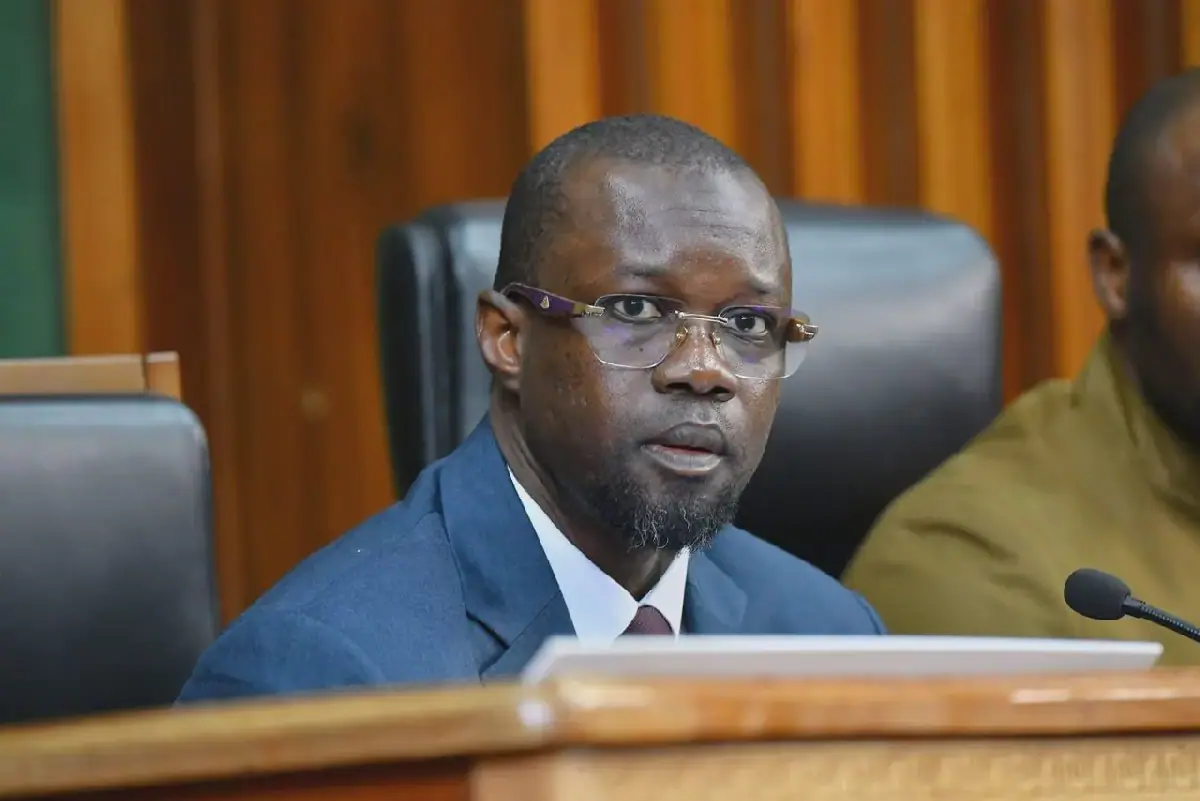
The Senegalese National Assembly has officially convened an emergency intercommission meeting to discuss a proposed resolution against President Bassirou Diomaye Faye's decree implementing the 2026 budget. The meeting, scheduled for Tuesday, November 24, 2026, brings together members of the Finance and Budget Control Commission and the Laws, Decentralization, Labor, and Human Rights Commission. The agenda focuses on examining the decree issued on November 19, 2026, and the responsibilities resulting from its execution.
This development is part of an ongoing institutional standoff between the Executive and Legislative branches over the 2026 Supplementary Finance Law (LFR). The project's rejection in plenary session on November 3, 2026, led to the President promulgating the budget by decree, citing Article 68 of the Constitution. The government argues that the expiration of the 60-day deadline for Parliament to decide allows the President to implement the budget by decree to ensure state continuity.
However, the parliamentary majority disputes this interpretation, arguing that an explicit rejection by a vote of the deputies cannot be equated with a failure to vote within the allotted time. The National Assembly's response is seen as a significant move in this unprecedented institutional duel. The meeting's outcome may determine the next steps in this constitutional and political battle.
The crisis began with the project's rejection in commission and subsequent formal rejection in plenary session. The President's decision to implement the budget by decree has sparked controversy, with the parliamentary majority challenging the government's interpretation of the Constitution. This standoff has significant implications for the country's governance and the balance of power between institutions.
The Finance and Budget Control Commission, led by Deputy Alphonse Mané Sambou, plays a crucial role in this process. The commission's examination of the proposed resolution will likely influence the National Assembly's stance on the President's decree. The outcome of the meeting may lead to further developments in the ongoing institutional crisis.
The situation remains uncertain, with the country's governance and economic management hanging in the balance. The National Assembly's response to the President's decree has raised questions about the limits of executive power and the role of the legislative branch. The international community is watching closely, as Senegal's stability and democratic credentials are at stake.
The emergency meeting of the intercommission marks a critical juncture in this crisis. The National Assembly's decision to convene an emergency meeting demonstrates its determination to assert its role in the country's governance. The outcome of the meeting will likely have far-reaching consequences for Senegal's politics and institutions.
Key points
- The Senegalese National Assembly has convened an emergency meeting to challenge President Bassirou Diomaye Faye's decree implementing the 2026 budget.
- The standoff between the Executive and Legislative branches centers on the interpretation of Article 68 of the Constitution.
- The outcome of the National Assembly's meeting may determine the next steps in this unprecedented institutional crisis.