On November 3, 2026, Senegal's National Assembly rejected the government's proposed 2026 budget revision in a historic plenary session. Out of 165 registered deputies, 132 voted on the preliminary question, with 109 voting in favor of rejection, 20 against, and 3 abstentions. This marked the third rejection of the budget revision, following previous rejections in committee on October 23 and 30.
The rejection of the budget revision is seen as a significant event in Senegal's political history, with many viewing it as a popular ultimatum to the government. The National Assembly's decision was influenced by concerns over the country's economic situation, including a public debt estimated at 132% of GDP by the end of 2024 and a projected deficit of 7.6%. The government's budget revision had been criticized for prioritizing creditors over the needs of the Senegalese people.
The government's budget revision had proposed significant cuts to various sectors, including healthcare, education, and professional training. The rejection of the budget revision has been seen as a victory for the people of Senegal, who have been struggling with rising costs of living and economic hardship. The National Assembly's decision has also been viewed as a challenge to the government's economic policies and a call for greater transparency and accountability.
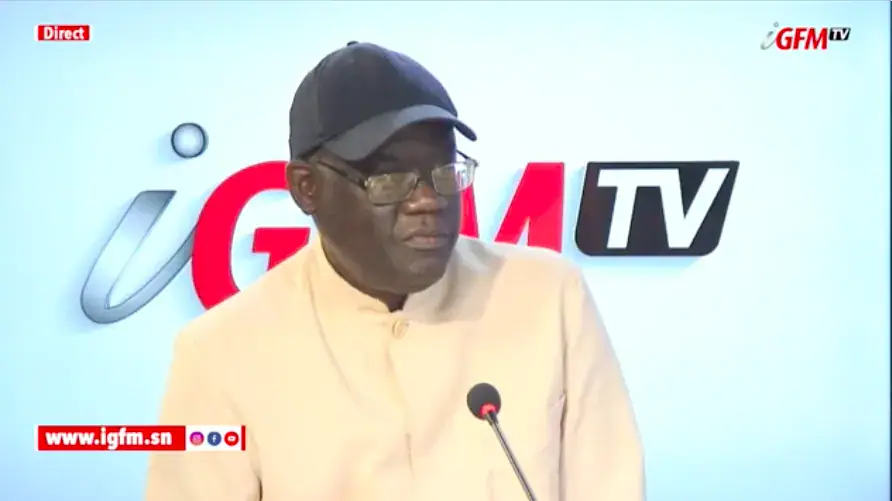
In response to the National Assembly's rejection, the Minister of Economy and Finance announced that the President would take measures to ensure the implementation of the budget revision's key provisions. However, the President of the Nouvelle Alliance Démocratique du Sénégal (NADEMS), Samba Kara Ndiaye, has warned that bypassing the National Assembly's decision would be a grave political and moral mistake.
Ndiaye has called on the President to assume responsibility and take concrete actions to address the country's economic challenges. This includes publishing audit reports on the country's debt, justifying the use of 120 billion francs from the CERP, and implementing effective oversight of special funds. Ndiaye has also emphasized the need for the government to prioritize the needs of the Senegalese people and to respect the National Assembly's decision.
The NADEMS has launched a call to action, urging the President to engage in dialogue with the National Assembly and the people of Senegal. The party has also called on the National Assembly to propose an alternative budget that prioritizes the needs of the people and honors Senegal's commitments. The NADEMS has emphasized the need for transparency, accountability, and popular participation in addressing the country's economic challenges.
The rejection of the 2026 budget revision has significant implications for Senegal's economic and political future. The country's economic challenges are likely to continue, and the government's response to the National Assembly's decision will be closely watched. The NADEMS has emphasized the need for the government to prioritize the needs of the Senegalese people and to respect the country's democratic institutions.
Key points
- The Senegalese National Assembly's rejection of the 2026 budget revision marks a significant event in the country's political history.
- The rejection was influenced by concerns over the country's economic situation, including high public debt and a projected deficit.
- The government's response to the National Assembly's decision will have significant implications for Senegal's economic and political future.