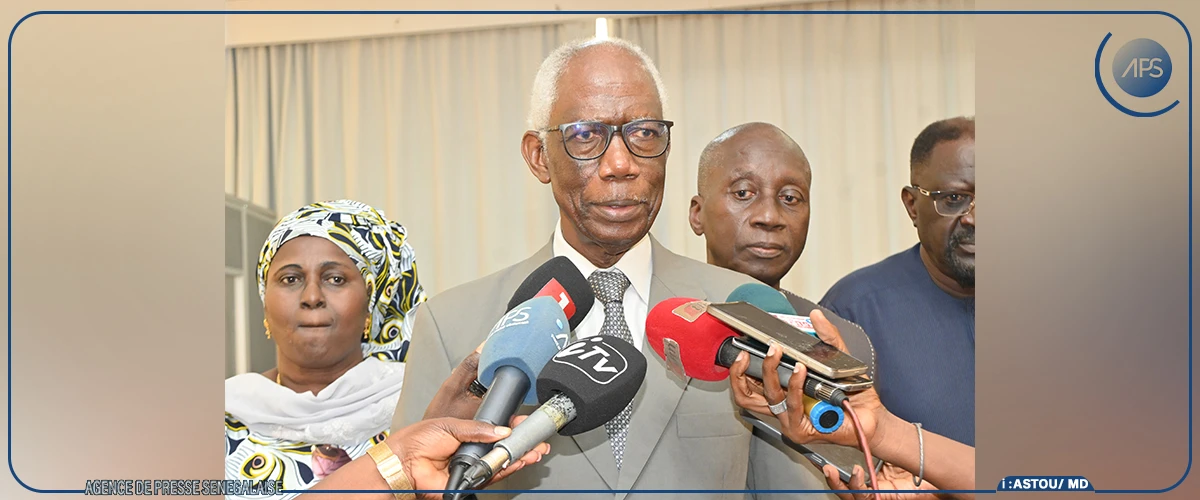
The Senegalese National Academy of Sciences and Techniques (ANSTS) recently hosted a session to address the protection of traditional African knowledge and the strengthening of agricultural research. The event, which took place in Dakar, brought together researchers to discuss the importance of preserving traditional knowledge and enhancing research capabilities. They emphasized that these efforts are crucial for the valorization of resources and agricultural sovereignty in Africa. The session featured various communications, including ones on the role of research in achieving food and nutritional sovereignty.
Ousmane Kane, a researcher, highlighted the significance of agricultural and agro-food research in achieving food and nutritional sovereignty in Africa. He stressed the need to reinforce the agricultural research system, particularly as the category of technicians and senior technicians is experiencing erosion. Kane warned that this trend could negatively impact the functioning of research teams. He called for the establishment of career plans that would allow these professionals to evolve in their respective functions.
Aminata Badiane, a researcher, presented a paper titled "Repenser la pyramide des équipes de recherche pour renforcer l'excellence dans la recherche agricole et agroalimentaire au Sénégal" (Rethinking the Research Team Pyramid to Strengthen Excellence in Agricultural and Agro-Food Research in Senegal). She described an "inverted pyramid" characterized by the erosion of technical personnel. Badiane also mentioned the lack of replacement for departing personnel, frozen recruitment, an aging workforce, and the absence of career plans. These factors, she argued, lead to an overload of scientific personnel and a loss of efficiency in experimental activities.
Badiane emphasized the crucial role of technicians in experimental activities, data collection and conservation, technology transfer, and popularization. To correct the inverted pyramid, she recommended revitalizing technical training, reopening certain BTS (Brevet de Technicien Supérieur) programs, establishing career pathways, and reforming the status and motivation mechanisms for technicians. Badiane insisted on the need to revise their status, establish well-defined career plans, and provide sustained training and motivation.
James Maridadi, the Zimbabwean ambassador to Senegal, presented a communication on the theme of intellectual property rights related to traditional African knowledge. He urged African countries to strengthen their legal frameworks to protect and valorize traditional knowledge, particularly in areas such as medicinal plants, agriculture, and cultural practices. Maridadi emphasized the need for better documentation of traditional knowledge to facilitate its protection and enable the communities that possess it to benefit from its economic valorization.
Maridadi called on African countries to document traditional knowledge, noting that its valorization could contribute to the continent's economic development. He also stressed the need to strengthen intellectual property institutions and adapt legislation to better take into account traditional knowledge. The ANSTS session, which was part of its 2025 activity program, was held in both in-person and online formats.
The session highlighted the importance of protecting traditional African knowledge and strengthening agricultural research. The discussions emphasized the need for a more robust research system, better documentation of traditional knowledge, and improved career plans for technicians. The event demonstrated the commitment of the Senegalese National Academy of Sciences and Techniques to addressing these critical issues.
Key points
- The Senegalese National Academy of Sciences and Techniques (ANSTS) recently discussed the protection of traditional African knowledge and the strengthening of agricultural research.
- Researchers emphasized the need to reinforce the agricultural research system and protect traditional knowledge to achieve food and nutritional sovereignty in Africa.
- The session highlighted the importance of better documentation of traditional knowledge and improved career plans for technicians to support the valorization of resources and agricultural sovereignty.