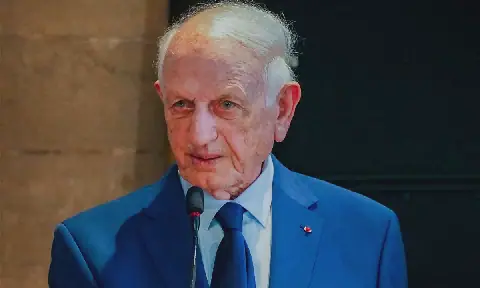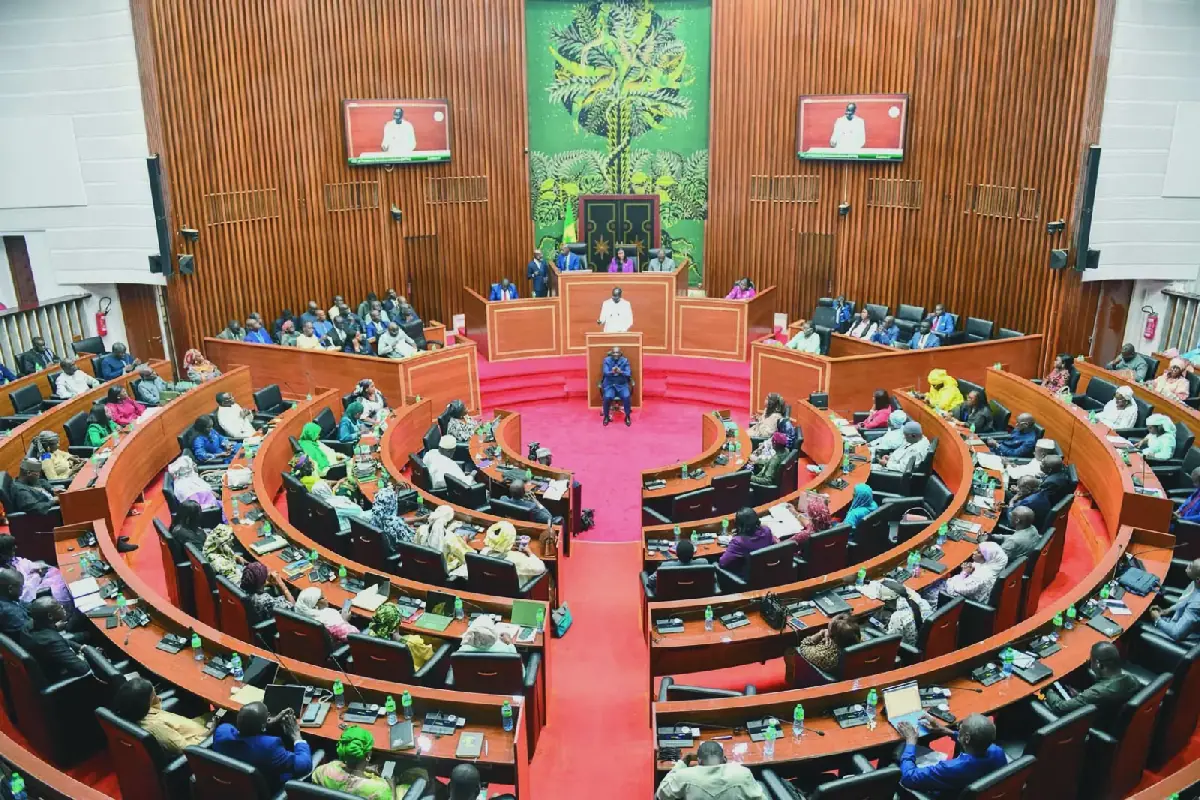
On November 22, 2026, Yankhoba Diémé, a member of the Senegalese government, addressed the possibility of dissolving the National Assembly. He chose not to engage in the debate, citing his role as a government member who will not precede President Bassirou Diomaye Faye in his prerogatives. Diémé expressed confidence in the President's integrity, love for the country, and the social contract that binds him to the Senegalese people.
Diémé emphasized that the President has the necessary legal and constitutional means to ensure the regular functioning of institutions and public services. However, he refrained from announcing a decision that only the head of state can make. When asked about the potential prolonged disagreement between the Executive and Parliament, Diémé remained calm, using a Wolof expression to convey that the President has sufficient institutional leverage to address the situation.
The Minister noted that the confrontation between the Executive and Parliament allows the public to assess the positions of lawmakers. He cited the rejection of the rectified finance law, which included resources for health centers, the absorption of temporary shelters, and the development of several areas. Diémé stated that it is beneficial for lawmakers to engage in debate, allowing Senegalese citizens to appreciate the determination of certain officials opposing the President's initiatives.
Diémé's comments suggest that he accuses his opponents of trying to hinder President Bassirou Diomaye Faye's actions and response to public expectations. He contrasted this attitude with that of a "good father of family," describing a leader who is helpful, cautious, and capable of providing solutions. According to Diémé, a good father of family does not inflict sadness and frustration on his family without offering solutions.
The Minister's stance implies that he trusts President Faye to make informed decisions regarding the National Assembly. Diémé's words also highlight the importance of understanding the President's role and the separation of powers in Senegal's governance structure. This development occurs amid discussions about the relationship between the Executive and Parliament.
The situation has sparked interest in Senegal's governance and the potential implications of a dissolution of the National Assembly. Analysts and citizens alike are monitoring the situation, considering the potential consequences for the country's governance and stability.
Key stakeholders, including lawmakers, government officials, and citizens, are eagerly awaiting the President's next move regarding the National Assembly. The situation remains fluid, with various possibilities emerging. President Faye's decision will likely have significant implications for Senegal's governance and its people.
Key points
- Yankhoba Diémé refrains from commenting on a potential dissolution of the National Assembly, citing the President's prerogatives.
- Diémé expresses confidence in President Bassirou Diomaye Faye's integrity and ability to address the situation.
- The Minister emphasizes the importance of understanding the President's role and the separation of powers in Senegal's governance structure.