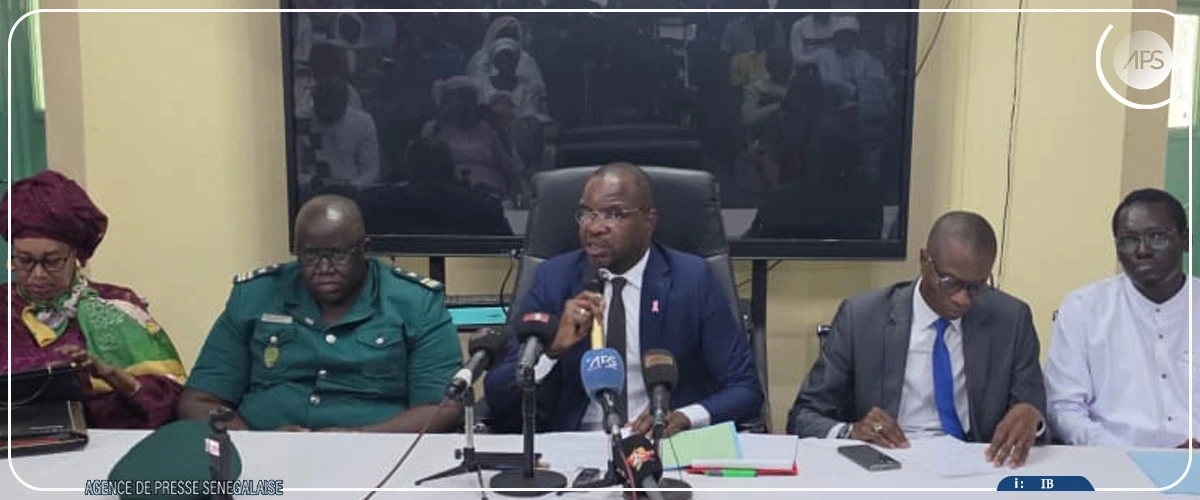
Senegal's Minister of Livestock, Ousmane Diagne, has stressed the need for better organization of the country's dairy sector. He made these remarks while presiding over a workshop to validate the updated National Action Plan for the development of local milk value chains. The plan aims to improve productivity, collection, processing, and marketing of local milk, ensuring better remuneration for producers. This initiative seeks to address the challenges facing the sector and capitalize on existing opportunities.
According to Minister Diagne, Senegal faces a paradox in its dairy sector. Despite having significant potential, including a large livestock population, experienced breeders and producers, and a strong demand for dairy products, the country remains heavily dependent on imports. In 2026, Senegal's national milk production was estimated at 417 million liters, while imports totaled 849 million liters, resulting in an annual bill of 156 billion francs. The minister highlighted the need to bridge the gap between the country's dairy potential and its reliance on external supplies.
The workshop, which took place in Thiès, brought together various stakeholders to discuss and validate the updated National Action Plan. The plan aims to promote local milk production and create a formal national multi-stakeholder framework to support the sector. Minister Diagne emphasized that the success of this initiative depends on the ability of stakeholders to work together, share responsibilities, and achieve results. He encouraged participants to provide their input and expertise to enrich the plan.
The development of local milk value chains is crucial for Senegal's economy and food security. The country's dairy sector has significant potential for growth, but it requires a coordinated approach to overcome existing challenges. The minister noted that the sector has several advantages, including a large and experienced workforce, scientific and technical expertise, and a strong market demand. However, these advantages must be leveraged effectively to improve the sector's performance.
The updated National Action Plan is part of a broader regional initiative to promote local milk production in West Africa. In January, representatives from 18 countries in the region met in Thiès for the second ordinary session of the regional multi-stakeholder platform for local milk production. The platform called on states to update their national action plans and strengthen their multi-stakeholder frameworks. Senegal has responded to this call, and the current workshop marks a significant step towards implementing the plan.
Minister Diagne emphasized that the current workshop is a decisive step in the process of developing Senegal's local dairy sector. He encouraged participants to engage in constructive discussions and provide their input to enrich the plan. The minister also highlighted the importance of a coordinated approach to achieve the sector's goals. By working together, stakeholders can address the challenges facing the sector and capitalize on existing opportunities.
The validation of the updated National Action Plan marks a significant milestone in Senegal's efforts to develop its local dairy sector. The plan is expected to provide a roadmap for improving productivity, collection, processing, and marketing of local milk. By implementing the plan, Senegal aims to reduce its dependence on imports and create a more sustainable and equitable dairy sector. The sector's development is critical for the country's economy, food security, and the well-being of its citizens.
Key points
- The Senegalese government aims to improve the country's dairy sector by increasing productivity, collection, processing, and marketing of local milk.
- Senegal remains heavily dependent on dairy imports, with a significant annual bill of 156 billion francs.
- The development of local milk value chains is crucial for Senegal's economy and food security.