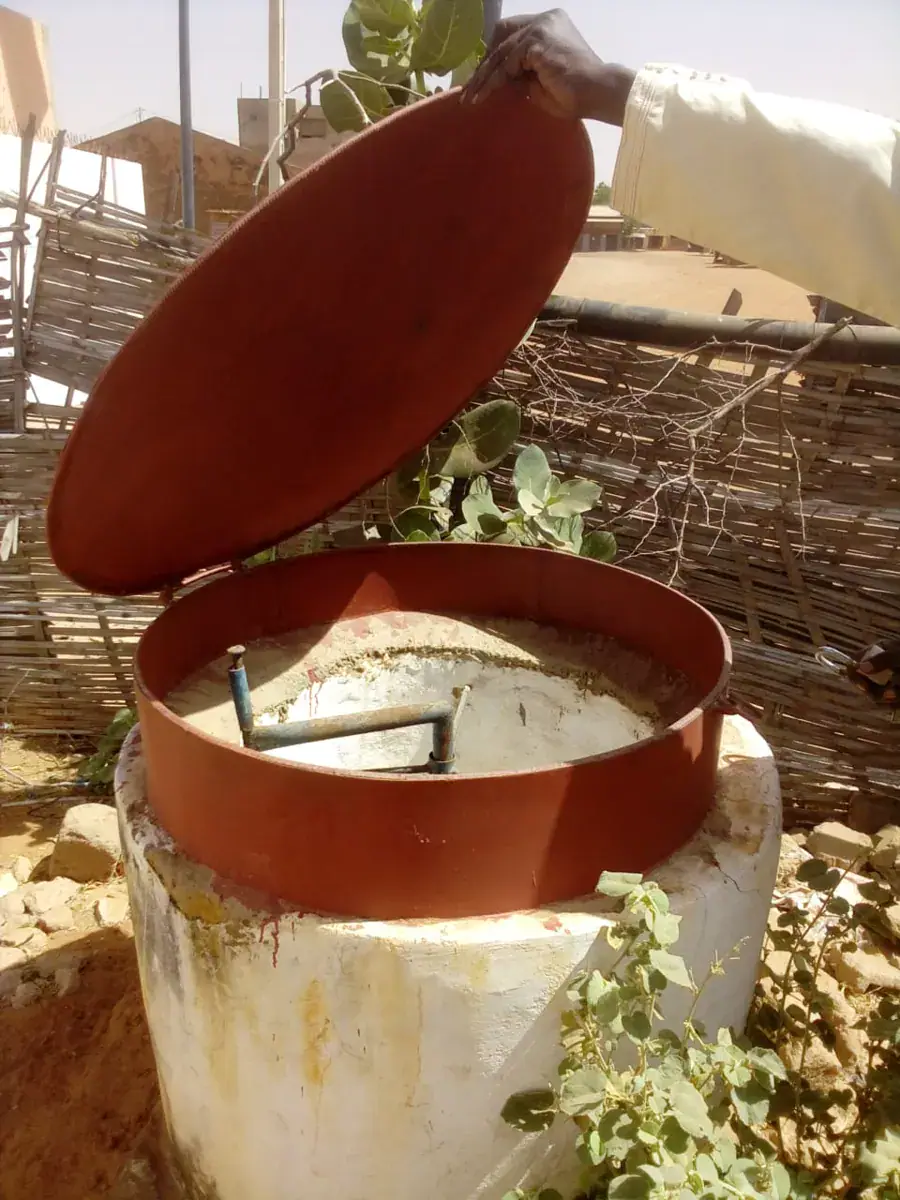
In Senegal, the Groupement d'Intérêt Économique (GIE) Kanda Vert, based in Linguère, has been pioneering the use of biodigesters to produce biogas and digestat since its inception in 2020. This innovative approach aims to provide households with a renewable energy source for cooking while valorizing organic waste into natural fertilizer. The group's initiative is led by Pape Oumar Seck, a retired agro-géotechnician.
The biodigester technology employed by Kanda Vert relies on anaerobic digestion, a natural process that breaks down organic matter in the absence of oxygen. This process transforms animal manure, food waste, and vegetable residues into biogas and digestat. The biogas produced is used for cooking, while the digestat serves as a nutrient-rich fertilizer for agricultural purposes. This double utility offers a promising solution for sustainable energy and agriculture.
Kanda Vert's activities are situated within a 10-hectare perimeter dedicated to agriculture and pastoralism. However, the group faces significant challenges, including a lack of access to water, which currently hinders their operations. Despite this, the abundance of organic waste, particularly animal manure, has encouraged the group to focus on biodigester technology. Pape Oumar Seck has personally installed a biodigester in his home, benefiting from both the biogas and the natural fertilizer.
The impact of Kanda Vert's initiative extends beyond energy production and waste management. By promoting the use of biodigesters, the group contributes to reducing the consumption of firewood, thus mitigating deforestation and environmental degradation. Additionally, the production of organic fertilizer enhances soil fertility, supporting sustainable agricultural practices in the region.
The Ferlo region, where Linguère is located, is characterized by significant pastoral activities. The valorization of animal waste through biodigester technology offers a valuable opportunity for diversifying energy sources and fertilization methods. This approach has the potential to bolster local economies and foster environmentally friendly practices.
Kanda Vert's efforts align with broader goals of addressing climate change and promoting sustainable development. By harnessing renewable energy sources and encouraging sustainable agricultural practices, the group sets a precedent for community-led initiatives in Senegal. The success of such projects could inform and inspire similar endeavors across the region.
As Kanda Vert continues to develop its biodigester technology and expand its reach, the group faces the challenge of scaling up its operations while maintaining its commitment to sustainability and community engagement. With the support of local stakeholders and continued innovation, Kanda Vert's model could serve as a replicable solution for promoting renewable energy and sustainable agriculture in Senegal and beyond.
Key points
- Kanda Vert produces biogas and organic fertilizer from animal waste and food scraps.