The Senegalese parliamentary commission has voted against the 2027 budget for the Ministry of Justice, sparking concerns about the potential impact on various projects and programs in the sector. The budget, which stood at 85,762 billion FCFA, was rejected despite a 6.2% increase from the previous year. The Ministry of Justice had requested these funds to finance several initiatives aimed at modernizing the public judicial service.
The rejected budget included several key allocations, such as 32,542 billion FCFA for the Justice judiciaire program, representing a 24.3% increase. Additionally, 800 million FCFA was set aside to enhance legal aid, making it easier for low-income citizens to access the courts. The penitentiary sector was also allocated 29,235 billion FCFA to cover expenses such as food and medical care for inmates.
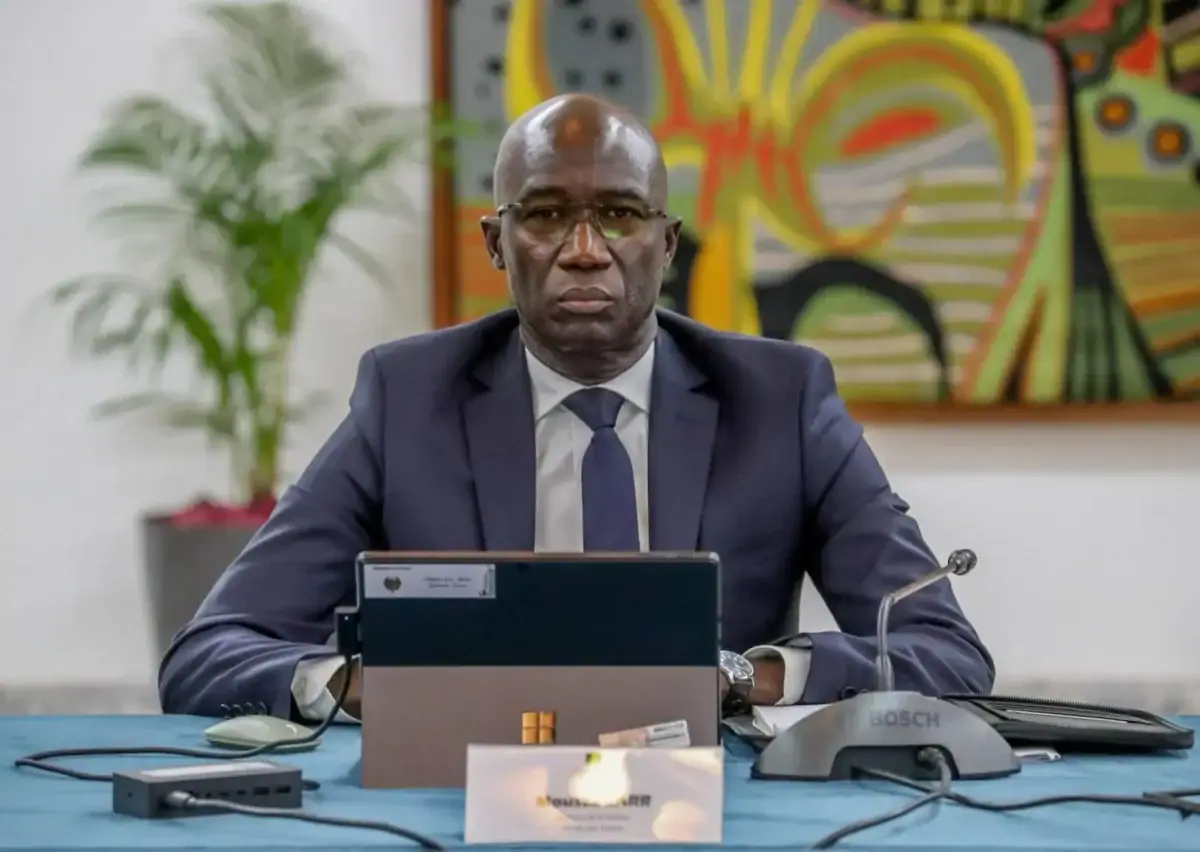
Minister of Justice, Me Moussa SARR, has expressed concerns about the consequences of the budget rejection, emphasizing the need to preserve the necessary resources for the functioning of the justice system. In a statement on his Facebook page, he highlighted the importance of the budget in addressing persistent challenges in the sector, including prison overcrowding, judicial delays, and poor detention conditions.
Me Moussa SARR also recalled the measures taken in 2026 to address these challenges, such as conditional releases, sentence reductions, presidential pardons, and vocational training for inmates. The minister stressed that the budget was essential for reinforcing human resources, including the deployment of new magistrates and clerks to various jurisdictions.
The construction of new prison facilities in Louga and Malicounda was also part of the budget plans. Me Moussa SARR acknowledged the parliamentary commission's oversight role and right to question the government's budgetary choices but urged for a compromise to avoid disrupting the justice system's operations.
The minister emphasized that the rejection of the budget does not automatically imply the elimination of the allocated credits, as the examination of the finance bill will continue at the National Assembly. He questioned how a more humane and effective justice system could be built without adequate resources.
The situation highlights the delicate balance between the government's budgetary priorities and the needs of the justice sector. As the process moves forward, stakeholders will be watching closely to see how the issue is resolved and what implications it may have for the justice system in Senegal.
Key points
- The rejection of the 2027 budget for Senegal's Ministry of Justice could compromise several projects and programs aimed at modernizing the public judicial service.
Reporting sources
- WalFadjri · WalFadjri