The Front syndical pour la défense des travailleurs (FSDT) in Senegal has announced a three-day general strike from October 21 to 23. The strike will affect the public, private, and informal sectors. According to the FSDT, the strike aims to protest the lack of social dialogue and defend workers' interests. The strike was announced after several months of what the FSDT describes as unsuccessful dialogue with authorities.
The FSDT's grievances include concerns over purchasing power, employment, pensions, social protection, and workers' dignity. The union is protesting the adoption of two law projects on August 18, 2026, which they claim were passed without prior consultation with social partners. One of the laws extends the duration of fixed-term contracts to four years, a move the unions see as precarious for employment.
The unions are also opposed to proposed changes in the management of the Institut de Prévoyance Retraite du Sénégal (IPRES) and the Caisse de sécurité sociale. They fear these changes could undermine their autonomy. The FSDT had opted for social dialogue for months but claims it did not receive satisfactory responses to its concerns.
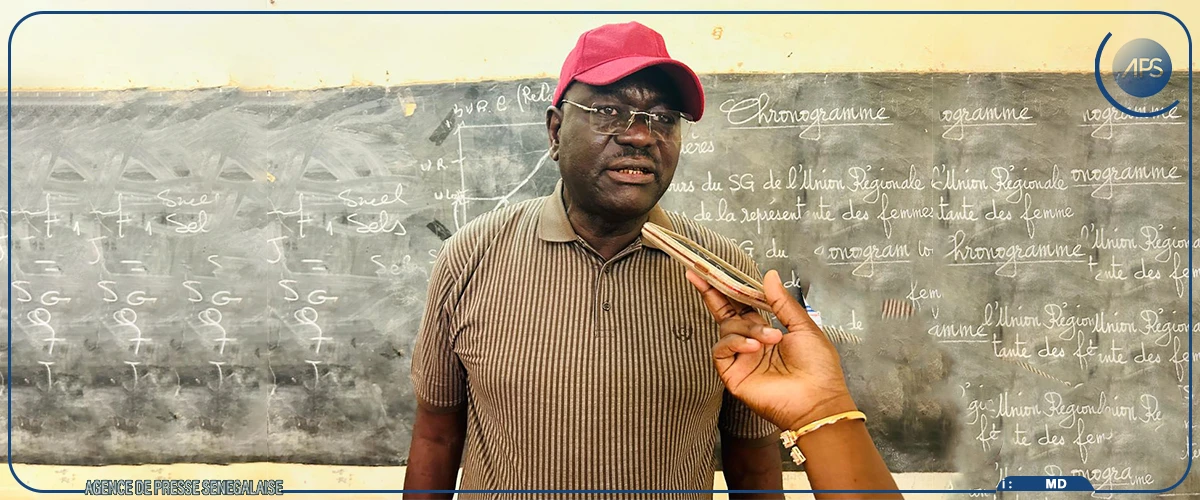
Cheikh Alassane SENE, Secretary-General of the Syndicat national de l’enseignement élémentaire (SNEEL), criticized the adoption of the law projects. He emphasized that the lack of consultation with social partners is a significant issue. The FSDT demands the revision of the contested provisions and respect for tripartism in accordance with Convention No. 144 of the International Labour Organization (ILO).
The FSDT also calls for the reintegration of workers it claims were unfairly dismissed. Other demands include expanding housing allowances to certain categories of agents, raising the retirement age to 65, and increasing pensions and annuities. The union also seeks the implementation of commitments made to different sectors.
Furthermore, the front syndical requests a decrease in the prices of essential products, water, electricity, and hydrocarbons. They also advocate for a reduction in salary taxation. According to Babacar NGOM, the union's concerns remain unaddressed, leading to the decision to strike.
The strike is set to take place from October 21 to 23, with the FSDT hoping to pressure the government into addressing their demands. The outcome of the strike and potential negotiations with the government remain to be seen.
Key points
- The FSDT's strike is driven by demands for better working conditions, social protection, and a rise in purchasing power.
- The strike affects the public, private, and informal sectors, highlighting the widespread nature of the unions' grievances.
- The FSDT seeks revisions to laws it claims undermine workers' rights and calls for tripartism in accordance with ILO conventions.