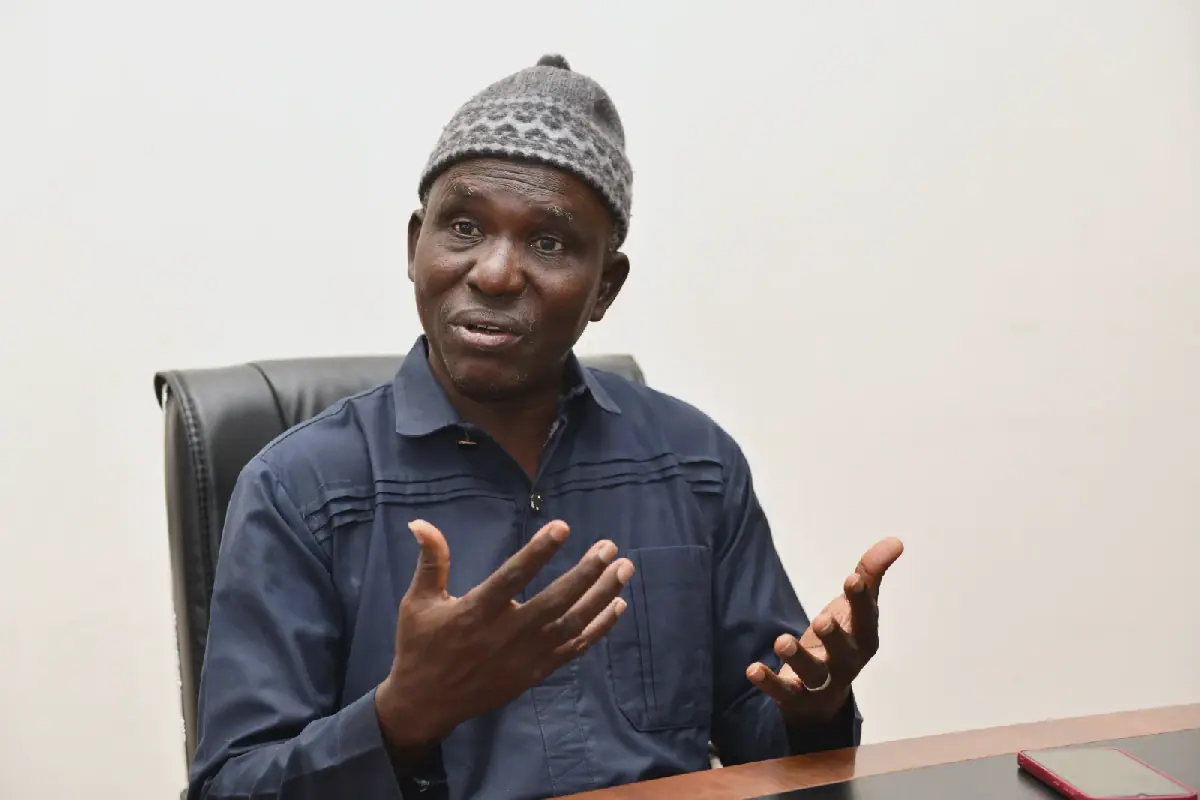
Sanoussi Diakité, president of the Senegalese Association for Fonio Promotion, is advocating for the expansion of fonio cultivation to all regions of Senegal. Currently, fonio production is concentrated in the southern and southeastern parts of the country. Diakité believes that fonio has the potential to strengthen food sovereignty due to its resilience in difficult climatic conditions and ability to grow on poor soil. The 17th edition of the International Fonio Day, celebrated on November 15, highlighted the need to extend fonio cultivation beyond its traditional areas.
Diakité emphasizes that Senegal faces a food sovereignty challenge, with a deficit between domestic production and consumption. The country imports significant quantities of rice and maize, and even relies on imports of fonio, with 70% of consumed fonio coming from Guinea. To address this issue, Diakité suggests that Senegal should leverage fonio's adaptability to climate change and poor soil conditions. He proposes expanding fonio cultivation to regions such as Diourbel, Louga, Matam, Podor, and Saint-Louis.
The main obstacle to extending fonio cultivation is not related to natural conditions, but rather the lack of a comprehensive policy to promote the crop. Diakité stresses that the government needs to take a more active role in encouraging farmers, providing support, and promoting fonio in other regions. This includes providing subsidized seeds, training farmers, and facilitating access to markets. Diakité also invented a machine to simplify fonio processing, which could help increase production.
Despite the potential of fonio, Diakité feels that the government has not given the crop sufficient attention. He notes that the quantities of subsidized seeds distributed by the government are minimal, citing the example of the Kolda department, where less than five tons of seeds were distributed. Diakité argues that the government should take a proactive approach to promoting fonio, rather than relying on demand from farmers.
Diakité draws parallels with other crops that have been successfully introduced in Senegal through government-led initiatives. For example, the peanut and maize crops have benefited from promotion policies and support. He suggests that a similar approach could be applied to fonio, with the government providing support for farmers, research, and marketing.
One of the key challenges facing fonio farmers is the uncertainty of being able to sell their produce and earn a decent income. Diakité acknowledges that this is a major concern, but believes that with government support and a well-designed policy, fonio production can be increased and made more sustainable. This would require a coordinated effort from the government, farmers, and other stakeholders.
The expansion of fonio cultivation has the potential to contribute significantly to Senegal's food sovereignty and economic development. With its unique characteristics and adaptability, fonio could become a major crop in Senegal, providing a source of income for farmers and a nutritious food source for consumers. The government and other stakeholders must work together to create an enabling environment for fonio production to thrive.
Key points
- Sanoussi Diakité calls for government support to extend fonio cultivation to all regions of Senegal.