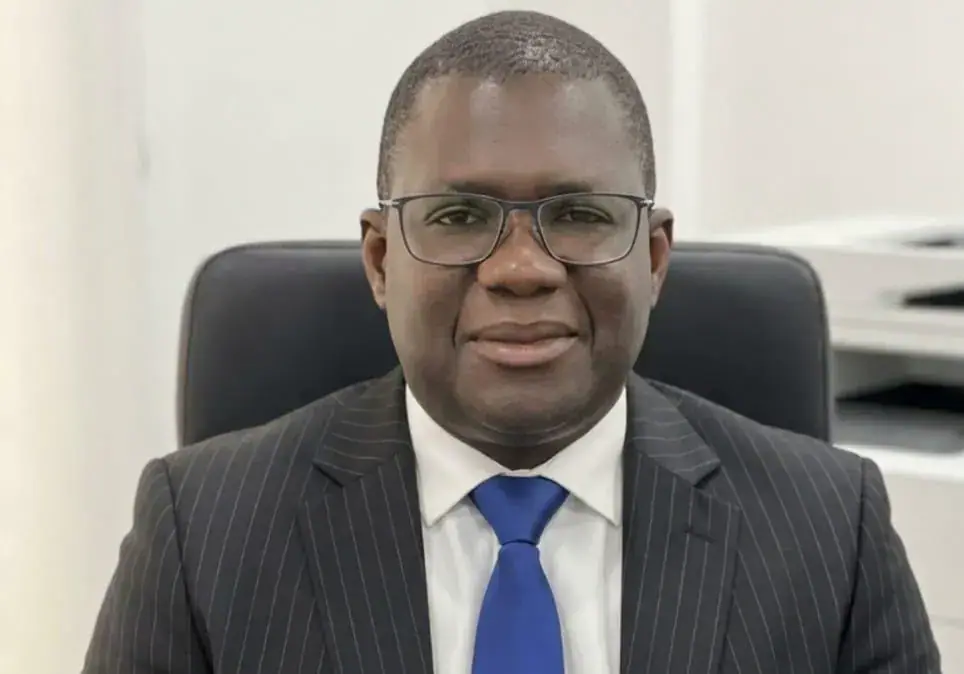
Senegalese President Bassirou Diomaye Faye has been called upon to exercise his constitutional powers to address a budget impasse. The country's National Assembly has refused to adopt the proposed Rectified Finance Law (LFR). According to Article 42 of the Constitution, the President is the guarantor of the regular functioning of public authorities and state continuity. This situation has sparked concerns about the execution of public policies and the nation's financial credibility.
The Senegalese legal system provides mechanisms to resolve the impasse. The President can use decree powers to open additional credits, as stated in Article 23 of the Organic Law on Finance Laws (LOLF). This allows the government to address urgent needs in the national interest, subject to later ratification. Furthermore, if the blockage persists, the Prime Minister can engage the government's responsibility before the National Assembly to vote on the text, as per Article 86, paragraph 6.
The separation of powers should not lead to institutional blockage. The executive has the necessary legal prerogatives to overcome the obstruction and prioritize the nation's interest. President Faye is expected to utilize these constitutional powers to resolve the budget impasse. The situation has garnered attention from various stakeholders, including jurists and politicians.
The National Assembly's rejection of the LFR has significant implications. The blockage may affect the implementation of public policies and the country's financial stability. The executive is under pressure to find a solution that balances the interests of various stakeholders. President Faye's ability to navigate this situation will be crucial in maintaining the nation's stability.
The Senegalese Constitution provides a framework for resolving such impasses. The President and the Prime Minister have specific roles and responsibilities in addressing the budget blockage. The situation requires a nuanced understanding of the Constitution and the Organic Law on Finance Laws. The executive must work within the established legal framework to find a solution.
Various voices have been raised in response to the budget impasse. Jurists, politicians, and stakeholders have weighed in on the situation, offering suggestions and critiques. The debate highlights the complexities of Senegal's institutional framework and the challenges of balancing competing interests. The nation's stability and development depend on finding a solution that works within the established constitutional framework.
The budget impasse has sparked a national conversation about the role of institutions and the balance of power in Senegal. The situation has implications for the nation's governance and stability. President Faye's response will be closely watched, as it will set a precedent for future interactions between the executive and legislative branches.
Key points
- President Bassirou Diomaye Faye urged to exercise constitutional powers to address budget impasse
- Senegalese legal system provides mechanisms to resolve budget blockage
- Executive has necessary legal prerogatives to overcome obstruction and prioritize nation's interest