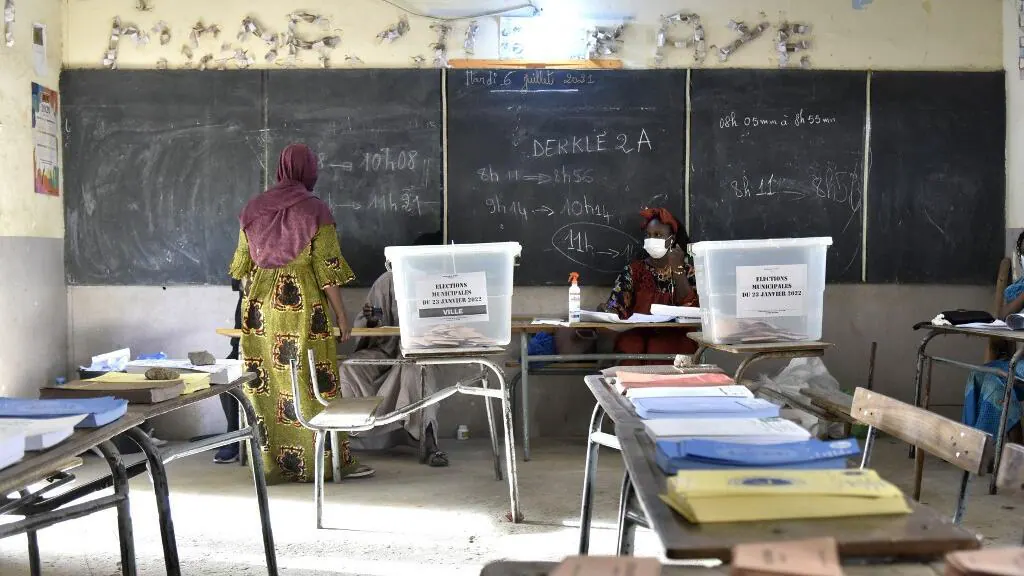
Dr. Mor Fall, a public law lecturer at the University of Cheikh Anta Diop in Dakar, has weighed in on the debate surrounding Senegal's electoral calendar. He believes that the discussion cannot be separated from the country's economic and social situation. According to Dr. Fall, two imperatives must be considered: respecting democratic rules and responding to everyday emergencies. He emphasizes that the republican calendar is essential to democratic functioning, but it must be balanced with urgent needs.
Dr. Fall highlights the difficulties faced by Senegal, including economic challenges, purchasing power, and the situation of vulnerable families. He argues that these issues require immediate attention and strong measures, such as assistance and support programs for vulnerable populations. While prioritizing these urgent needs, Dr. Fall does not advocate for neglecting the electoral question. Instead, he calls for dialogue and consultation to discuss the modalities for addressing multiple institutional and socio-economic imperatives.
The lecturer questions the conventional view of democracy, which often prioritizes elections as the primary indicator. He notes that electoral disputes occupy a significant place in juridictional debates, while issues related to economic and social rights receive less attention. However, Dr. Fall does not undermine the importance of elections. He distinguishes between the formal aspect of democracy, including regular elections, alternation, and power transmission, and its substantial aspect, which relates to citizens' living conditions and rights.
Dr. Fall emphasizes that the organization of elections is not the sole criterion for a democratic system. He argues that the substantial aspect of democracy should focus on producing tangible effects in the daily lives of Senegalese people. This includes addressing purchasing power, social policies, and economic difficulties. The lecturer also mentions the potential discussions with the International Monetary Fund, which could support the government's economic programs.
Dr. Fall makes a distinction between "the time of politics" and "the time of emergencies." In a context where electoral tensions can dominate public debate, he believes that the responsibility of public authorities lies in determining what constitutes an emergency and what can be addressed through consultation or deferred treatment. The electoral debate is characterized by different interests, including those of the majority, opposition, and civil society.
Dr. Fall stresses the need for an inclusive approach when making decisions that require arbitration. He encourages the government to prioritize urgent needs while preserving the republican calendar. The lecturer also highlights the importance of considering the perspectives of various stakeholders, including civil society, in the decision-making process.
Ultimately, Dr. Fall's statements emphasize the need for a balanced approach to Senegal's democratic process. He advocates for preserving the republican calendar while addressing urgent economic and social needs. The lecturer's views provide insight into the complexities of Senegal's democratic system and the need for inclusive decision-making.
Key points
- Dr. Mor Fall emphasizes the importance of preserving Senegal's republican calendar while addressing urgent economic and social needs.
- The lecturer distinguishes between the formal and substantial aspects of democracy, highlighting the need for a balanced approach.
- Dr. Fall calls for dialogue and consultation to address multiple institutional and socio-economic imperatives.