The Industries chimiques du Sénégal (ICS) has implemented a program to economically empower women in seven communes of the Tivaouane department in western Senegal. The program, which aims to promote women's autonomy, has exceeded its initial target of training 1000 beneficiaries, with a total of 1348 people trained. The program covers the communes of Mboro, Darou Khoudoss, Taïba Ndiaye, Méouane, Pire, Tivaouane, and Mbao.
The program, initiated in 2024, has been implemented in three phases: experimentation, extension, and consolidation. In 2024, a pilot phase trained 153 women, while in 2025, 1195 women were trained in four main areas: local cereal transformation, saponification, entrepreneurship, and business plan development, as well as biocharcoal production. The training modules were designed and taught with the support of the Alliance sénégalaise pour le Consommer local (ASCL) and Women in Mining (WIM) Sénégal.
The program has achieved significant results, with the number of women active in production increasing from 156 to 813, and the number of active economic interest groups (GIE) rising from 26 to 146. According to the project manager, Saloum Seck, this progress is due to the quality of the training, proximity monitoring, equipment provision, and working capital grants. Additionally, 89% of the active groups at the end of the training continue to produce in a sustainable manner.
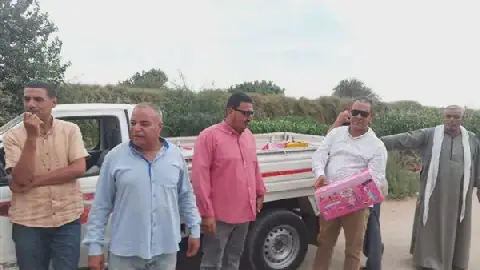
The program's impact was celebrated at an official ceremony attended by Ababacar Sadikh Niang, deputy governor of Thiès, and Mama Sougoufara, general director of ICS. The ceremony marked the end of the training program and awarded certificates to the beneficiaries. Several other ICS officials, mayors, and representatives of state services and program partners also attended the event.
Deputy Governor Ababacar Sadikh Niang praised the program's achievements, particularly in local cereal transformation and cleaning products manufacturing. However, he called for a new phase focused on activity formalization, access to financing, and sustainability. He also invited ICS to strengthen dialogue with territories and encouraged beneficiaries to seize opportunities offered by new technologies, marketing, and commercialization circuits.
The mayors of beneficiary communities, represented by Abdallah Tall, mayor of Mboro, welcomed the initiative, which places women at the heart of local development. They praised the announcement of modern transformation units in beneficiary communes, which will help valorize local production, create jobs, and strengthen local economies. The mayors encouraged beneficiaries to use their acquired skills and share their expertise in their localities.
The program's next phase will focus on consolidating achievements, accessing financing, formalizing activities, and obtaining necessary authorizations. According to Sandrina Gomez, ICS's communication and sustainable development manager, beneficiaries now have the necessary know-how but need financial resources and better market access to develop their activities and scale up. The program has been recognized as an act of acknowledgment of women's contribution to building sustainable and prosperous communities.
Key points
- The program has trained 1348 people in seven communes of the Tivaouane department.
- The program has achieved significant results, with a notable increase in women's activity in production and the number of active economic interest groups.
- The program's next phase will focus on consolidating achievements, accessing financing, and formalizing activities.