The commune of Djinaky, located in the Bignona department of Senegal, has adopted its 2026-2030 Communal Development Plan (PDC), aligned with the country's "Vision Sénégal 2050" strategy. The plan, validated on October 23, focuses on four strategic axes, including transforming territorial assets into development and wealth creation factors, and developing a sustainable exploitation and management system for the communal space.
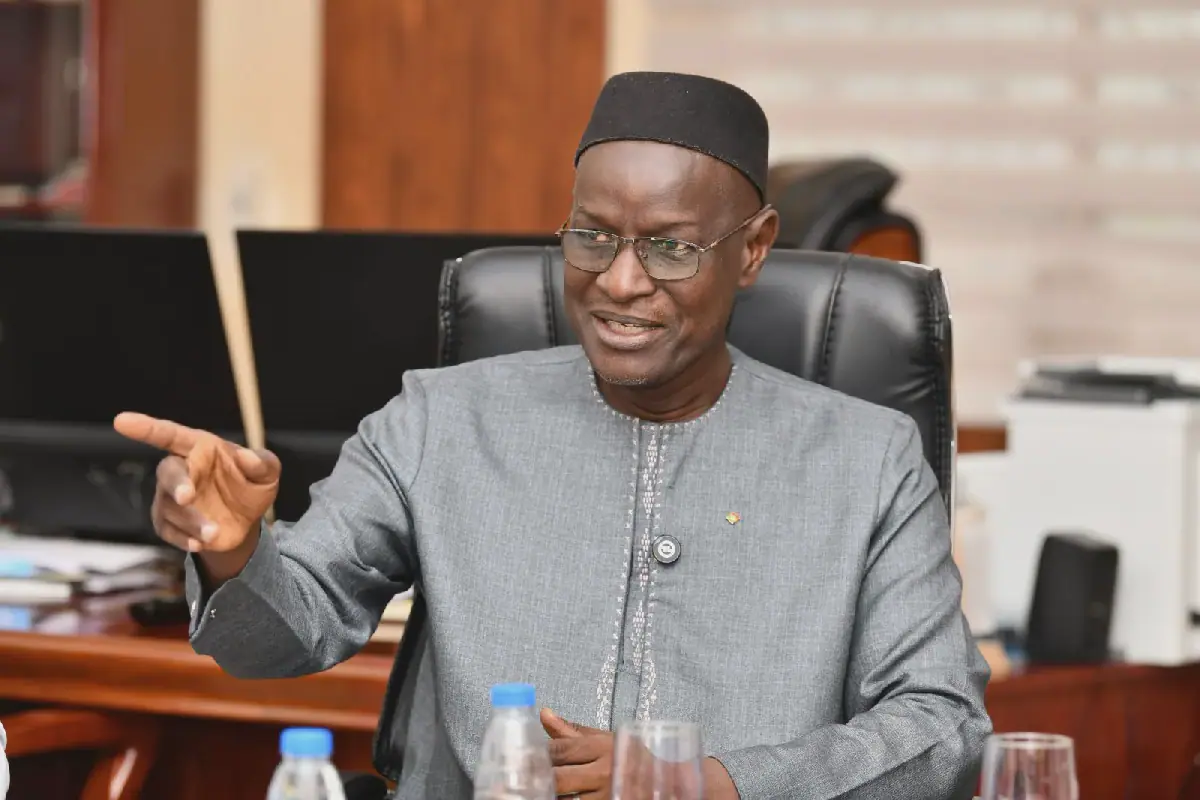
The plan's overall cost is estimated at 10,218,050,000 FCFA, which will be financed through various sources, including the communal budget, state transfers, and partnerships with national and international organizations. The commune's mayor, Alphoussény Diémé, stated that the plan's implementation will be preceded by a broad consultation to ensure its success in all areas of transferred competencies.
Djinaky is a rich commune, covering an area of approximately 446.58 km², with 25 villages and a diverse range of flora and fauna. The commune is home to significant vegetation, including forests, savannas, and mangroves, which are exploited by local populations for various products, including wood, fruits, and medicinal plants.
However, the commune's natural resources face several threats, including deforestation, bushfires, and climate change. The mayor highlighted that the commune has been affected by the Casamance crisis, which has led to population displacement, but noted that the situation has improved in recent years, with displaced populations gradually returning to their villages.
The commune's economy is primarily driven by agriculture, with a focus on market gardening, which is a key activity for young people and women. The sector is supported by various partners, including technical and financial organizations, and has contributed to improving household living standards through the commercialization of produce.
The commune has made significant progress in terms of infrastructure, with 31 mills, 19 threshers, 12 beaters, 4 oil presses, and 3 transformation units, including 2 private ones. These facilities have helped to alleviate women's workload and promote entrepreneurship.
The implementation of the PDC is expected to further boost the commune's development, with a focus on sustainable and inclusive growth. The plan's success will depend on effective collaboration between local stakeholders, partners, and government agencies.
Key points
- The commune of Djinaky has validated a 10 billion FCFA development plan aimed at transforming the area into a prosperous rural hub.
- The plan focuses on four strategic axes, including transforming territorial assets into development and wealth creation factors.
- The commune's economy is primarily driven by agriculture, with a focus on market gardening.