Senegal's diplomatic landscape is undergoing significant changes under the leadership of President Bassirou Diomaye Faye and Foreign Minister Cheikh Niang. With a long experience in diplomacy, Niang has been working to translate the country's traditional diplomatic values into actions. He was appointed in September 2025 and reappointed on June 1, 2026. His vision for Senegal's diplomacy is taking shape through various initiatives.
One of the notable initiatives is Senegal's assumption of the presidency of the Economic Community of West African States (ECOWAS) for a one-year term in July 2026. During this period, Foreign Minister Cheikh Niang, as president of the ECOWAS Council of Foreign Ministers, installed General Birame Diop as the president of the organization's Commission in Abuja. This move underscores Senegal's growing institutional responsibilities in West Africa.
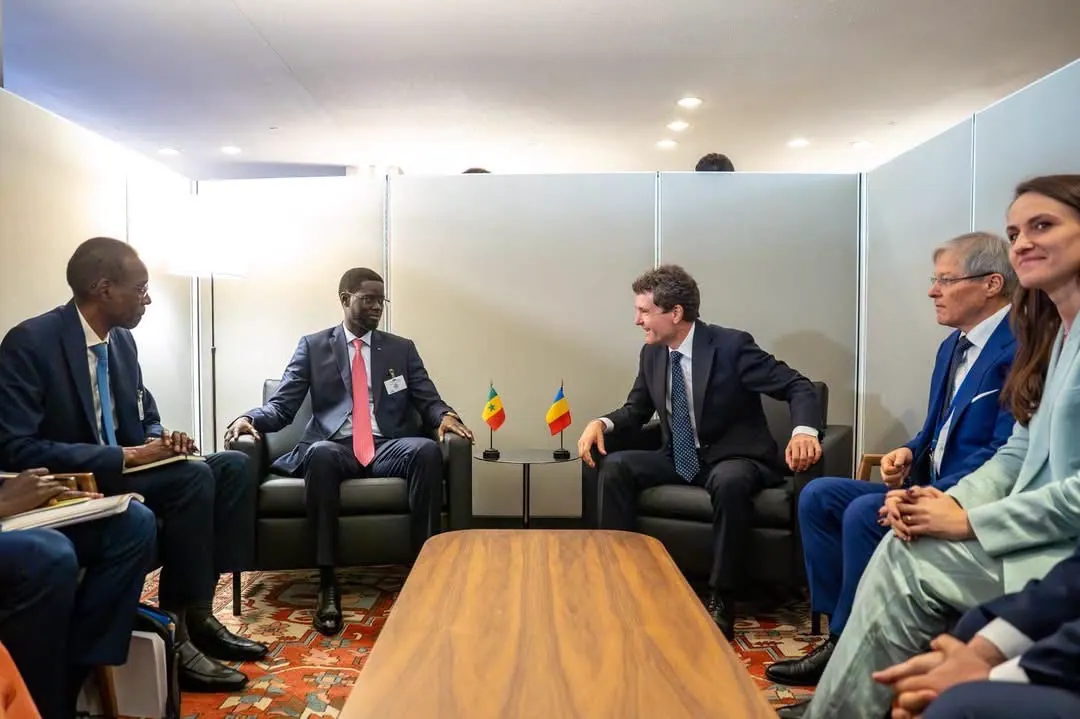
President Bassirou Diomaye Faye's recent visit to New York for the 81st session of the United Nations General Assembly was another significant diplomatic effort. He presented Senegal's positions on reforming the multilateral system, African representation in international institutions, and major peace and development issues. The visit included high-level meetings and discussions with international leaders.
Senegal is also preparing its candidacy for a non-permanent seat on the UN Security Council for the period 2032-2033. This bid is part of a broader strategy to strengthen the country's presence in international security discussions. The country's diplomatic efforts are focused on promoting its interests and contributing to global decision-making processes.
Economic diplomacy is a key aspect of Senegal's diplomatic strategy under President Faye's leadership. The president has been engaging with his counterparts and business leaders to promote economic cooperation and investment opportunities. This approach reflects the government's desire to leverage diplomacy to drive economic growth and development.
The dynamics of Senegal's diplomatic efforts are also influenced by its relationships with other countries, including those in the Alliance of Sahel States (AES) - Mali, Burkina Faso, and Niger. President Faye has indicated that Senegal is open to dialogue and cooperation, while also maintaining its institutional commitments within ECOWAS.
As Senegal continues to navigate the complexities of international diplomacy, its efforts under President Faye's leadership are focused on promoting peace, stability, and economic development. The country's diplomatic initiatives are expected to have a lasting impact on its relationships with global partners and its role in regional and international organizations.
Key points
- Senegal assumes ECOWAS presidency, promoting regional cooperation and stability.