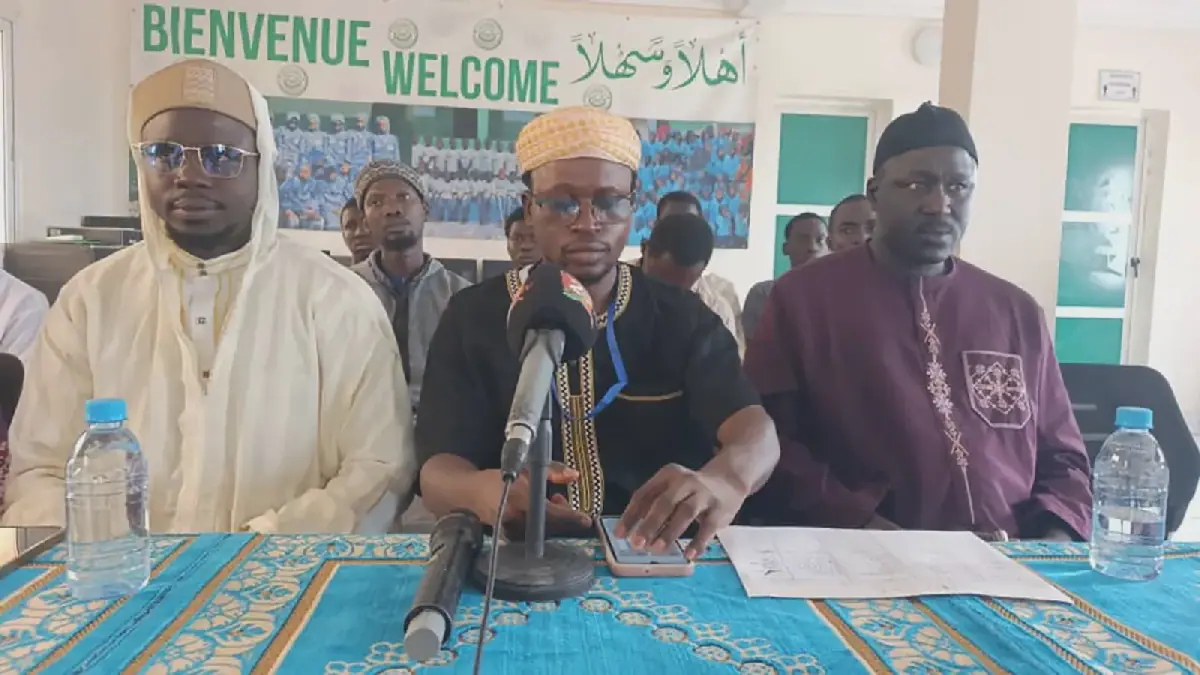
Partners in Senegal's Projet d'amélioration des performances du système éducatif (Papse) have expressed frustration over delayed funding. At a press conference in Keur Massar, they highlighted the non-payment of 150,000 FCfa per student, promised under the project's performance contracts. The partners, 1098 daaras (Islamic schools), were selected to improve educational outcomes but now face difficulties due to unfulfilled financial commitments.
According to Oumar Ba, coordinator of the national association of daara partners, no payments were made in 2025, and only one payment was made in 2026. This shortfall has severely impacted the daaras' operations, hindering their educational and social missions. Ba emphasized the need for transparency on the total funds allocated and actually disbursed to the daaras. The partners seek clarity on the situation and a clear payment schedule for the remaining funds.
The daara partners are seeking answers on the delayed payments and the status of equipment and materials promised under the project. They have called on authorities to provide clear information on the funds allocated, disbursed, and transferred to the daaras. The partners also demand a detailed schedule for the distribution of equipment and materials. This situation has raised concerns about the project's impact on educational outcomes in Senegal.
Despite recognizing the importance of Papse and efforts to improve learning conditions in daaras, the partners stress the need for urgent action. They have urged authorities, project officials, and concerned partners to engage in serious dialogue to find solutions. The daaras' situation has become critical, with many yet to receive the promised support.
The Papse project aims to improve the performance of Senegal's education system. However, the current challenges faced by daara partners threaten to undermine these objectives. With the new school year underway, the partners' concerns must be addressed to ensure the continued provision of quality education.
Senegal's education sector has seen significant developments recently, including efforts to enhance the quality of education and increase access to learning opportunities. The daara partners' plight highlights the need for effective implementation and management of education projects.
The outcome of the daara partners' appeal remains uncertain. However, their concerns have been brought to the forefront, and stakeholders are expected to take necessary actions to address the issues. The situation will be closely monitored as it affects not only the daaras but also the broader education sector in Senegal.
Key points
- Daara partners in Senegal's Papse project face financial difficulties due to delayed funding.