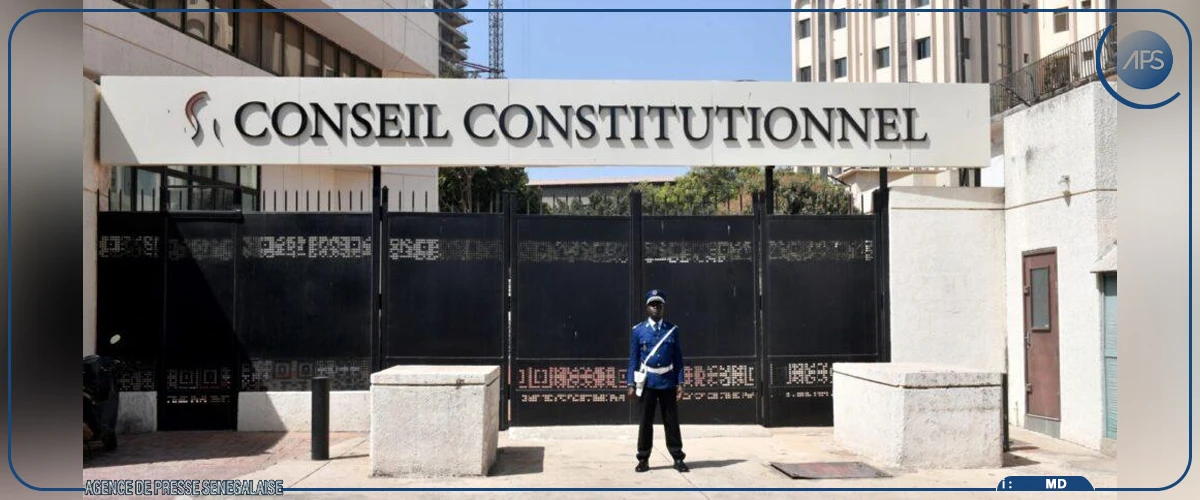
The Constitutional Council of Senegal has declared that a proposed law to modify the country's Oil Code is unreceivable. The proposal, which aimed to require parliamentary review of oil and gas contracts before they are signed by the government, was deemed inadmissible by the Council. This decision was made public on October 5, following a referral by the Prime Minister on September 28.
The proposed law, numbered 37/26, sought to amend Article 20 of the 2019 law that established the Oil Code. The Constitutional Council's decision effectively blocks the National Assembly from considering the amendment, which had been scheduled for a plenary session on September 29. The session was postponed due to the Prime Minister's referral to the Constitutional Council.
The Minister of Energy and Petroleum, El Hadji Abdourahmane Diouf, reacted to the decision on his Facebook page, stating that the National Assembly had intended to "infringe on the domain of others, in complete illegality" with this proposed law. This suggests that the government opposed the move to subject oil and gas contracts to parliamentary review.
The proposal to amend the Oil Code was initiated by deputies from the Pastef party, which is part of the majority. They aimed to modify the Code to require that oil and gas contracts be examined by the National Assembly before being signed by the government. This move was likely intended to increase parliamentary oversight of the country's oil and gas sector.
The Constitutional Council's decision is a significant development in Senegal's energy sector, which has been a major focus for the government in recent years. The country's oil and gas reserves have been growing, and the government has been working to develop these resources while ensuring transparency and accountability.
The ruling by the Constitutional Council highlights the complex interplay between the executive and legislative branches of government in Senegal. The decision will likely have implications for the country's energy policy and the role of parliament in overseeing the sector.
The government's approach to oil and gas development has been under scrutiny, with some critics calling for greater transparency and accountability. The proposed amendment to the Oil Code was seen as a way to increase parliamentary oversight, but the Constitutional Council's decision has blocked this move.
Key points
- The Constitutional Council of Senegal has declared a proposed law to amend the country's Oil Code unreceivable.
- The proposed law aimed to subject oil and gas contracts to parliamentary review before they are signed by the government.
- The decision highlights the complex interplay between the executive and legislative branches of government in Senegal.